
4th Grade Train Lesson Plans: Poetry, Research, Math, Science and Economics
After reading Rally Takes the Train, children can explore about 650 train and railway museums through our free guides, discovering the history, engineering and stories behind real trains. In 4th grade the book anchors a 13-day unit: the class reads it once as a poetry mentor text, then researches trolleys in two museum guides, solves problems with real museum numbers, tests energy with ramps, engineers a safer crossing and investigates why towns wanted freight railroads.
 Need the book? Get the paperback on Amazon (opens in a new tab) or earn a free classroom copy.
Why teachers use these lessons
A structure for each standard
Poetry gets close reading and a writing workshop, math is problem-based, science follows the 5E model and engineering follows the design process, each over as many sessions as the work really needs.
Real sources where they matter
Three lessons use verified museum guides as core sources: two trolley guides for research, Steamtown numbers for math and two railroad guides for the freight inquiry.
Teach it tomorrow
Every lesson has timed phases with groupings, prep notes, what to listen for, printables, a three-level check and a family note in English and Spanish.
4th Grade lessons
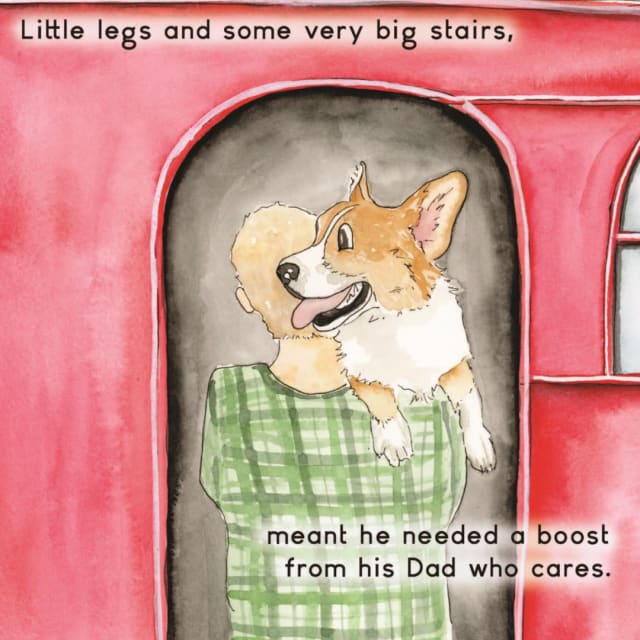
Rhyme, Rhythm and Meter: Write Train Couplets
A three-day 4th grade poetry sequence.
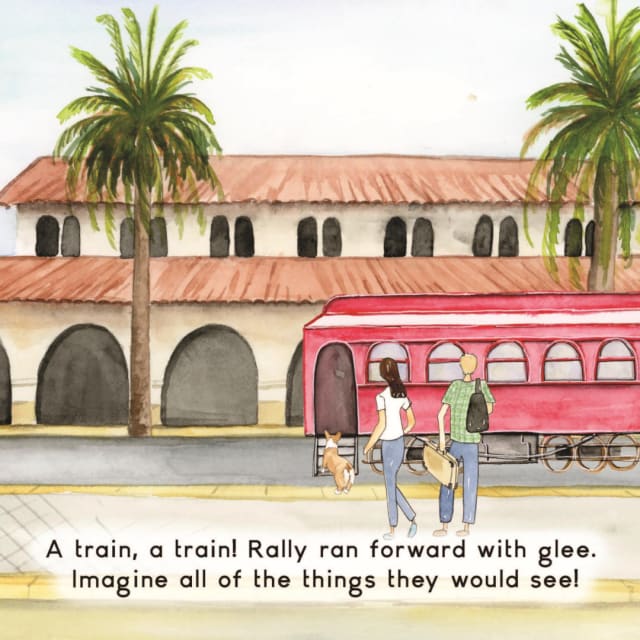
Two Sources, One Topic: Research the Trolley Savers
A two-day 4th grade research workshop.
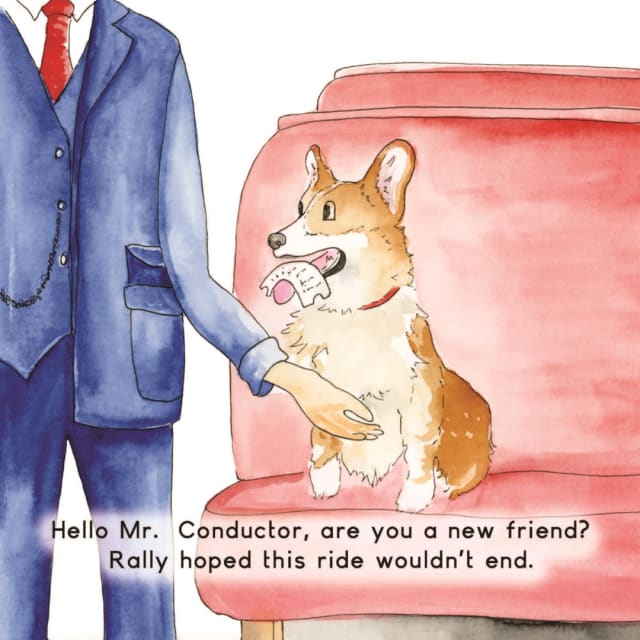
Big Numbers at the Museum: Multi-Step Word Problems
A 60-minute problem-based 4th grade math lesson.
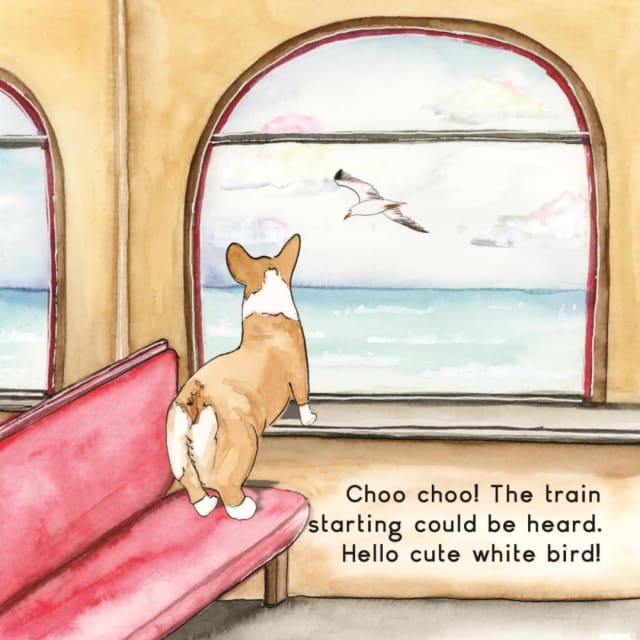
Energy in Motion: Speed, Energy and Collisions
A two-session 4th grade 5E science sequence.
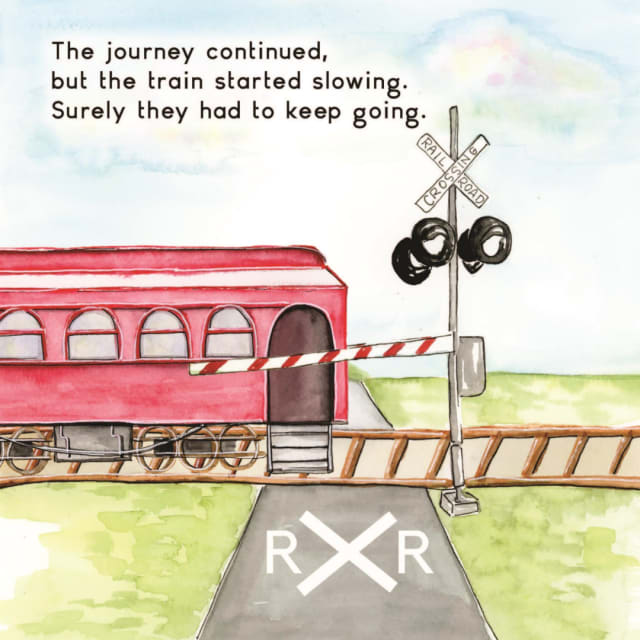
Design a Safer Railroad Crossing: Criteria, Constraints and Fair Tests
A three-session 4th grade engineering design challenge.
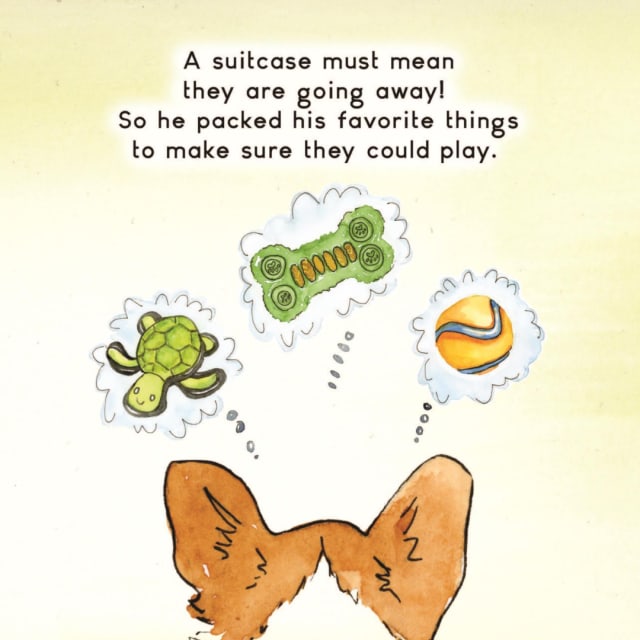
Freight Trains and the Economy: Why Places Trade
A two-session 4th grade C3 inquiry.
The unit, day by day
- Day 1 (45 min): Rhyme, Rhythm and Meter (4A), read the whole book aloud once, then close read four couplets for rhyme, beats and meter and compare verse with prose.
- Days 2-3 (45 and 40 min): 4A continued, a writing workshop where students draft, revise and read aloud three couplets about one trip moment.
- Days 4-5 (50 min each): Two Sources, One Topic (4B), notes from two trolley museum guides on.
- Day 4, then a date puzzle, an integrated paragraph and a source list on.
- Day 5.
- Day 6 (60 min): Big Numbers at the Museum (4C), a number talk and multi-step problems with real Steamtown numbers, ending in a cool-down.
- Days 7-8 (45 min each): Energy in Motion (4D), a ramp demo and three-height investigation, then class data, new collisions and a written claim.
- Days 9-11 (45, 50 and 40 min): Design a Safer Railroad Crossing (4E), define criteria from page 14 and plan, then build and test, then improve, retest and share.
- Days 12-13 (45 min each): Freight Trains and the Economy (4F), a C3 inquiry on why towns wanted railroads, with two museum guides, a train or truck choice and a claim with evidence.
Each lesson uses the structure that fits its subject: problem-based math, 5E science, writing workshop, close reading or inquiry, with timing for a real 4th Grade schedule. Museum guides appear where a real source is what the lesson needs.
How the lessons are built
One book, one unit
The unit opens with a full read-aloud of Rally Takes the Train. Later lessons go back to a page or two only when the lesson needs it, and some do not use the book at all.
The right structure for each subject
Math starts with a warm-up and a problem to work on before any method is shown. Science explores before it explains. Writing runs as a workshop over several days. Every plan lists minutes, groupings, what to prepare and what to listen for.
Teach it with the real book
4.9 stars on Amazon
Rally Takes the Train is a rhyming, hand-painted picture book about a corgi's first train ride, from the big station stairs to a dark tunnel to the people waiting at the end of the line. Children ask for it again and again, and every unit here opens with it.
Questions teachers ask
What are good train lesson plans for 4th grade?
Strong 4th grade train lessons tie a real standard to a structure that fits it. This page has a free six-lesson unit: a poetry workshop on rhyme and meter, a two-day research workshop with museum guides, a problem-based math lesson with museum numbers, a 5E science sequence on speed and energy, a crossing design challenge, and a C3 inquiry on freight trains.
How is the picture book used in the 4th grade unit?
The whole book is read aloud once, on Day 1, as the mentor text for the poetry lesson. After that, the engineering lesson revisits page 14 (the railroad crossing) and the economics lesson revisits page 2 (Rally choosing what to pack), each for about 2 minutes. The research, math and science lessons do not use the book at all.
What standards do the 4th grade train lessons cover?
The six lessons cover Common Core RL.4.5, W.4.4, RI.4.9, W.4.7, W.4.8, 4.OA.A.3 and 4.NBT.B.5, NGSS 4-PS3-1, 4-PS3-3 and 3-5-ETS1-1, 2 and 3, and the C3 Framework indicators D2.Eco.1.3-5 and D2.Geo.7.3-5. Each lesson lists its standards with the full official text so you can copy them into your plans.
How long do the 4th grade train lessons take?
The whole unit takes about 13 school days. The math lesson fits one 60-minute block. Research, science and economics run over two sessions of 45 to 50 minutes, and the poetry workshop and the engineering challenge run over three. Each lesson page lists every session, its phases and minutes, so you can see exactly where a day ends.
Is there a ready-made 4th grade train unit?
Yes. This page lays out a 13-day unit that moves from poetry and research to math, science, engineering and economics. Each lesson lists its structure, sessions, prep, grouping, vocabulary, timed phases, what to listen for, a three-level check, differentiation and a family note in English and Spanish, plus a short on time note that says exactly what to cut if you lose 10 to 15 minutes or a day.
What order should I teach the 4th grade train lessons in?
Start with the poetry lesson (4A), which reads the whole book once. Then research with two sources (4B), multi-step word problems (4C), speed and energy (4D), the railroad crossing design challenge (4E), and freight trains and the economy (4F). Teach 4D before 4E: students reach the design challenge already knowing why trains cannot stop fast.
Why do the 4th grade lessons use different structures?
Because the standards ask for different kinds of work. Poetry gets close reading and a writing workshop, research gets a research workshop, math is problem-based with a number talk and a cool-down, science follows the 5E model, engineering follows the design process, and economics is a C3 inquiry with a compelling question. Each lesson explains its choice in a sentence or two.
What printables come with the 4th grade lessons?
Each lesson has three printable pages plus a family note, all usable in black and white. They include a couplet workshop, a two-source notes organizer, a museum math problem set, a ramp investigation data table, a design brief with a budget, and freight agent cards. Every page is a working classroom tool that fits on one sheet of paper.
How do the 4th grade lessons connect to real train museums?
Three lessons use verified museum guides as core sources: two trolley museum guides for research, Steamtown numbers for math, and two railroad guides for the freight inquiry. Two more offer an optional guide extension. After the unit, children can explore about 650 free train museum guides at rallytakesthetrain.com/train-museums; only verified museums are named in lessons and the field trip planner.
Which museums appear in the 4th grade lessons?
The core sources are the Seashore Trolley Museum, the Connecticut Trolley Museum, Steamtown National Historic Site, the Nevada Northern Railway Museum and the Utah State Railroad Museum at Ogden Union Station. Optional extensions point to the Virginia Museum of Transportation and the Southern California Railway Museum. Each museum reviewed and approved its own guide.
Can I plan a train museum field trip with these lessons?
Yes. The field trip planner at rallytakesthetrain.com/lessons/train-museum-field-trips lists verified museums, so you can find one near your school. Read its guide yourself first, since the guides are written for adults. Check the museum's current hours and prices before booking, because they change. The research and freight lessons make strong preparation for a visit.
Are the 4th grade train lessons really free?
Yes. Every lesson, printable and family note is free for classroom and homeschool use, and there is nothing to buy to teach them. You can print the materials, teach the lessons in any order and share the page link with colleagues. Please do not sell, repost or redistribute the printables, because the watercolor art comes from the book.
Can I teach the 4th grade lessons without the book?
Mostly. Only the poetry lesson reads the whole book, and its printable includes the couplets it studies. The crossing and freight lessons each show one page, and the other three lessons do not use it. Credentialed teachers can earn a free classroom copy by reviewing one lesson at rallytakesthetrain.com/free-book-for-teachers.
How can I get a free copy of Rally Takes the Train for my classroom?
Credentialed teachers of Pre-K to 5th grade in the United States can earn a free paperback copy by reviewing one lesson at rallytakesthetrain.com/free-book-for-teachers. You need a current teaching credential and at least two years of classroom teaching. Every lesson, printable and family note on the site is free either way, and the book is also sold in paperback if you prefer to buy a copy.
How do the lessons support multilingual learners in 4th grade?
Every lesson includes a multilingual learner plan built on a WIDA key language use: Explain for the poetry, math, science and engineering lessons, Inform for the research lesson, and Argue for the economics lesson. Plans include vocabulary taught with photos or gestures, sentence frames, partner roles and, where it helps, drafting in the home language first.
How are students assessed in the 4th grade train lessons?
Each lesson has a success criterion and a three-level check: Meets, Approaching and Beginning. The evidence differs by lesson: a revised poem, an integrated paragraph with two sources, a math cool-down, a claim backed by measurements, a retested prototype, or a claim with evidence that answers a compelling question. Most checks can be scored from the printables.
Do the 4th grade lessons include science and engineering?
Yes, two of them, each over several sessions. In Energy in Motion, a 5E sequence over two days, students test three ramp heights before the science words are introduced. In Design a Safer Railroad Crossing, groups spend three sessions defining criteria and a budget, comparing designs, building, fair testing, improving and retesting.
Is there a 4th grade train math lesson?
Yes. Big Numbers at the Museum is a 60-minute problem-based lesson: a number talk on 14 x 36, two partner activities with real numbers from the Steamtown National Historic Site guide, a lesson synthesis and a cool-down. Students write letter equations, interpret a remainder and check answers with estimates.
Do the 4th grade lessons teach railroad safety?
Yes. Every lesson that touches tracks or crossings teaches the rail safety rule: stay off tracks, cross only at marked crossings, and always stop, look and listen. The energy lesson explains with evidence why trains cannot stop fast, and the crossing design lesson asks students to design a crossing that makes the safe choice the easy one.
Can homeschool families use the 4th grade train lessons?
Yes. The lessons work for one child or a small group. Partner steps can be done with a parent or sibling, and the group investigations need only a toy car, a ramp, books and a paper cup. Each lesson includes a family note in English and Spanish with a 5-minute activity to do at home.
More for your classroom
Ready to keep exploring? Browse about 650 free train museum guides, or plan a visit with the field trip planner. Free coloring pages are at Rally coloring pages.