
Freight Trains and the Economy for 4th Grade: Goods, Freight Cars and Why Places Trade
A two-session 4th grade C3 inquiry. Students take on the compelling question of why a town would want a railroad and whether a train is always the best way to move goods. They sort freight as agents, read two real railroad museum guides for causes and effects, weigh train against truck, and write a claim with evidence.
- Grade
- 4th Grade
- Subjects
- Social studies (economics), Social studies (geography), Reading informational text
- Time
- Two sessions: 45 and 45 minutes
- Structure
- C3 inquiry over two sessions
- Prep
- 15 minutes: copy the three printables (one each per student) plus one Freight Agent card sheet per pair, cut apart; post the compelling question; flag page 2; open both guides on the screen
- Grouping
- Whole class for the questions and sources, partners for the formative tasks, independent claim writing
- Book
- Page 2
- C3 D2.Eco.1.3-5
- C3 D2.Geo.7.3-5
 Need the book? Get the paperback on Amazon (opens in a new tab) or earn a free classroom copy.
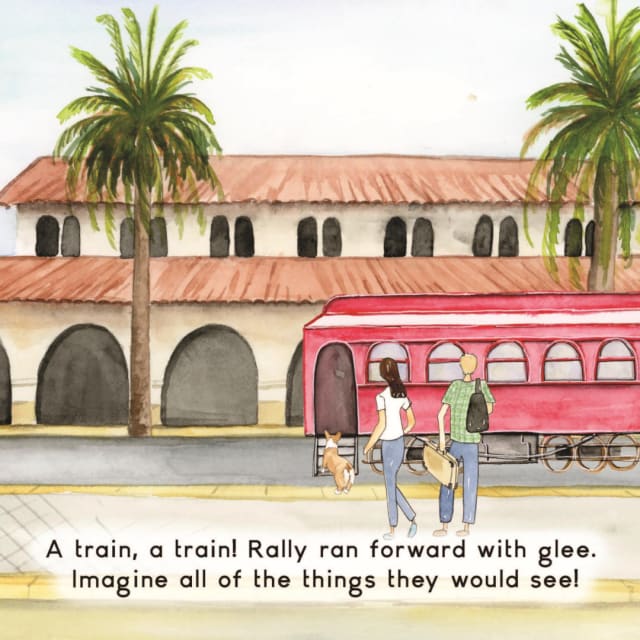
Days 12-13 of the 4th Grade train unit
Builds on: In 4C students met Big Boy, a freight giant, and in 4E they designed for safety around heavy trains. Here they ask what those trains carried and why towns wanted them.
Leads to: This closes the unit. Students' claims make a good display beside the 4A poems and the 4E crossing models.
Learning objective
Students explain how natural resources and location affected the movement of goods by rail, using two museum guides as evidence, match goods to the freight cars that carry them, and compare the benefits and costs of a shipping choice before making and defending a decision.
I can explain why goods move from place to place by train, and I can compare the benefits and costs of a choice before I decide.
Vocabulary to teach
Materials
- Rally Takes the Train by Kelsey Lizee Cecil: get the paperback on Amazon (opens in a new tab) or earn a free classroom copy
- The Nevada Northern Railway Museum guide (rallytakesthetrain.com/museums/nevada-northern-railway-museum-ely) and the Utah State Railroad Museum at Ogden Union Station guide (rallytakesthetrain.com/museums/utah-state-railroad-museum-at-ogden-union-station), open on a screen
- Chart paper with the compelling question and the three supporting questions
- Freight Agent printable (one per student, plus one card sheet per pair cut apart): eight shipment cards and four freight car descriptions
- Goods on the Move printable (one per student): passages from both guides and a cause and effect organizer
- Train or Truck printable (one per student): a shipping scenario, a benefits and costs chart and a claim organizer
Before you teach
- Read the Nevada Northern and Ogden sections of both guides yourself. You will read the printed passages aloud; the guides are written for adults.
- Post the inquiry on chart paper: Compelling question: Why would a town want a railroad, and is a train always the best way to move goods? Supporting questions: (1) What goods move by train, and in what cars? (2) How did a resource and a location bring railroads to Ely and Ogden? (3) What are the benefits and costs of shipping by train or by truck?
- Some students will argue for the truck on Day 2. That is fine: grade the reasoning, not the choice.
Lesson plan
C3 inquiry over two sessions. D2.Geo.7.3-5 and D2.Eco.1.3-5 ask students to explain and to compare, which means they need sources and a question worth answering. Three supporting questions build the evidence on Day 1 and early Day 2, and the summative claim answers the compelling question.
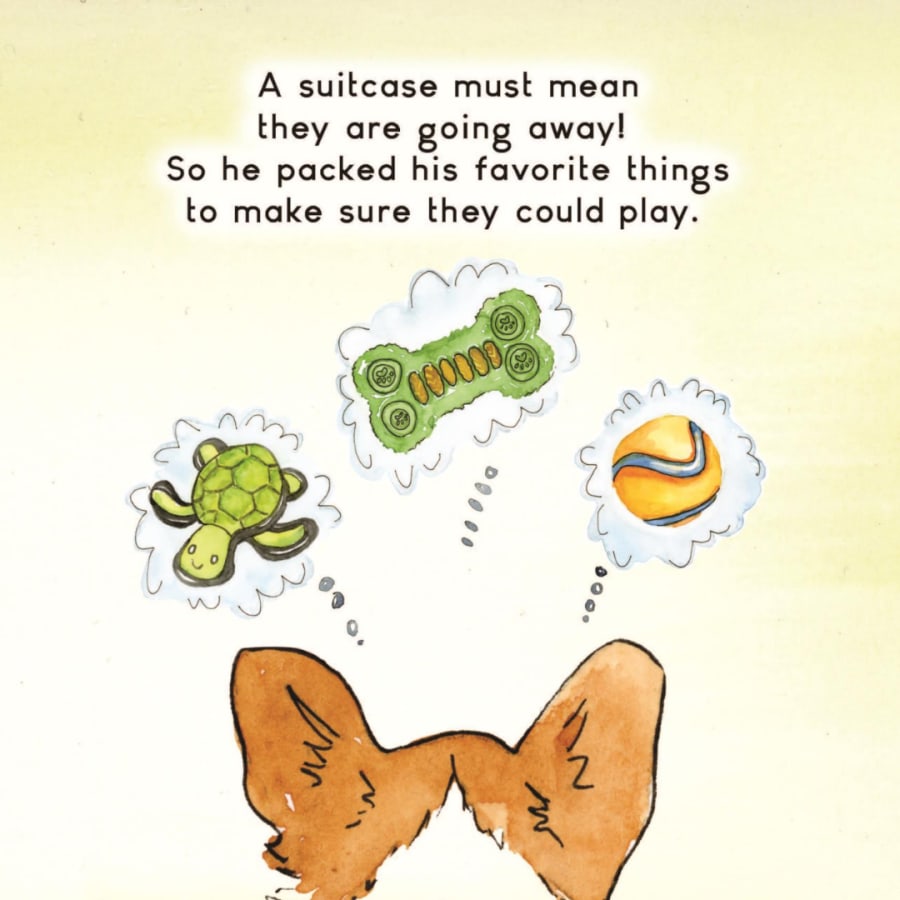
Using the book: Show page 2 for about 2 minutes at the start of Day 1: Rally packs only his favorite things, so choosing has a cost. It sets up benefits and costs in kid terms.
This guide and the Utah State Railroad Museum at Ogden Union Station guide are the featured sources for supporting question 2; both passages are printed on the Goods on the Move page. Or find a verified museum near your school in the field trip planner.
Day 1 45 minutes
- Hold up page 2 and ask partners what Rally gave up by packing only a turtle toy, a bone and a ball. Use their answers to teach benefit (what you get) and cost (what you give up).
- Read the compelling question on the chart and the three supporting questions. Ask partners for a first guess at the answer and record two.
- Teach goods and freight directly. Read the four freight car descriptions on the Freight Agent page together.
- Partners act as freight agents: place each shipment card on a car and record the car and a reason in the table.
- Check together: ore and gravel in ore cars, books and flour in boxcars, milk and cooking oil in tank cars, logs and steel beams on flatcars.
Look for: Reasons based on what the goods are like (liquid, must stay dry, heavy and long).
- Teach natural resource. Read the Nevada Northern passage aloud: the railroad was built in the first decade of the 1900s to serve the copper mining boom, and it ran its last train in 1983 when Kennecott Copper laid off its workers.
- Partners fill the Ely row of the cause and effect organizer: the resource that caused the railroad, and what happened when the mining work stopped.
- Read the Ogden passage aloud: lines from both coasts and from Mexico to Canada met there, the city earned the nickname Junction City, and the railroad brought wealth to Ogden.
- Partners fill the Ogden row. Take two answers to: one town grew because of what was in the ground, the other because of where it was. Which is which?
Look for: Students who use evidence from the passage, such as copper or Junction City, rather than general ideas about trains.
Day 2 45 minutes
- Read the scenario on the Train or Truck page: a mine in the mountains must send a large amount of ore to a smelter 100 miles away, and a railroad line runs near the mine.
- Partners fill the benefits and costs chart for both choices.
- Share one benefit and one cost for each choice on the board. Teach the rail safety rule along the way: freight trains are long and heavy and cannot stop quickly, so stay off tracks and stop, look and listen.
- Students answer the compelling question in writing: a claim, evidence from both guides (Ely and Ogden), evidence from the benefits and costs chart, and reasoning that connects them.
- Confer with students who wrote little on Day 1; help them pick one piece of evidence to start.
Look for: A claim that answers both parts of the question, why towns wanted railroads and whether a train is always best.
- Three students read their claims. The class names the evidence each one used.
- Optional action: over the next week, students check labels on classroom things (a tissue box, a glue bottle, a paper ream, a lunch wrapper) for where they were made and add them to a class map of how goods reach your town.
Short on time? To finish in one 60-minute session, open with the compelling question alone (skip page 2), have partners place one shipment card per freight car, and keep both guide passages, since they carry the evidence. Fill the train or truck chart as a 10-minute class discussion, give 15 minutes to the claim, and move the share and label-check action to another day.
Finished early? Use the field trip planner to find another verified museum guide that mentions freight, and add a third row to your cause and effect organizer.
What to listen for
| If children say or do this | Try this |
|---|---|
| Trains are better than trucks, so the answer is always the train. | Ask what the truck gives you that the train cannot (it drives right to the door). The best choice depends on what matters most. |
| The railroad in Ely ended because trains got old. | Send the student back to the passage: it ran its last train in 1983 when Kennecott Copper laid off its workers. The railroad depended on the mines. |
| A cost is only money. | Return to page 2: Rally gave up other toys. A cost is anything you give up, such as time, distance or the chance to choose another way. |
Safety: Rail safety: freight trains are long and heavy and cannot stop quickly. Stay off tracks, cross only at marked crossings, and always stop, look and listen.
Differentiation
Extra support
Pre-sort four shipment cards and let the student place the other four. Give frames: "A benefit of the train is ___. A cost of the train is ___. I choose ___ because ___." Accept a cause and effect organizer with one pair.
Multilingual learners
Teach goods, freight, benefit and cost with real classroom objects and a simple balance gesture (hands as scales). Provide frames: "___ was built because ___." and "Because ___, goods moved ___." Key language use: Argue.
Extension
Use the field trip planner (rallytakesthetrain.com/lessons/train-museum-field-trips) to find another verified museum guide that mentions freight. Identify what goods moved there and what resource or location caused it, then compare it with Ely or Ogden.
Check for understanding
Success criterion: Writes a claim that answers the compelling question, supports it with evidence from both guides about how a resource and a location affected the movement of goods, and compares at least one benefit and one cost of a shipping choice.
| Level | What you see |
|---|---|
| 3Meets (level 3) | The claim answers both parts of the question, uses evidence from both guides (copper in Ely, Junction City in Ogden), and weighs at least one benefit against one cost for train and truck. |
| 2Approaching (level 2) | The claim is reasonable but uses evidence from only one guide, or lists benefits without costs. |
| 1Beginning (level 1) | States an opinion about trains without evidence from the sources or without comparing choices. |
Family connection
Send home the half-page note in the printables. The text is below so you can paste it into a newsletter or app.
English
Why would a town want a railroad? Your child spent two days on that question. We read real museum guides about a railroad built for a copper mining boom in Nevada and a Utah city where many rail lines met, sorted goods into freight cars, and compared the benefits and costs of shipping by train or by truck. Your child wrote a claim with evidence. For 5 minutes at home, pick three things in your kitchen, look at the labels together, and talk about where each one came from and how it traveled to you.
Español
¿Por qué un pueblo querría un ferrocarril? Su hijo o hija pasó dos días con esa pregunta. Leímos guías de museos reales sobre un ferrocarril construido para la minería de cobre en Nevada y una ciudad de Utah donde se unían muchas líneas de tren, clasificamos mercancías en vagones de carga y comparamos los beneficios y los costos de enviar por tren o por camión. Su hijo o hija escribió una afirmación con evidencia. En casa, por 5 minutos, escojan tres cosas de la cocina, miren las etiquetas y hablen de dónde vino cada una y cómo llegó hasta ustedes.
Teacher tips
- Keep the benefits and costs chart up for both days. Students will want to call one choice good and the other bad; the chart pushes them to say what each choice gains and gives up.
- The Nevada Northern story has a clear ending in 1983. Give students time to notice for themselves how much the railroad depended on one resource.
Standards alignment
| Standard | Text |
|---|---|
| C3 D2.Eco.1.3-5 (opens in a new tab) | Compare the benefits and costs of individual choices. |
| C3 D2.Geo.7.3-5 (opens in a new tab) | Explain how cultural and environmental characteristics affect the distribution and movement of people, goods, and ideas. |
Check codes against your state's version of these standards. How we build and review lessons.
Keep exploring
Pick a museum guide and look for clues about what trains once carried there. What goods moved, and what natural resource or location do you think made people build the railroad?
Teach it with the real book
4.9 stars on Amazon
Rally Takes the Train is a rhyming, hand-painted picture book about a corgi's first train ride, from the big station stairs to a dark tunnel to the people waiting at the end of the line. Children ask for it again and again, and every unit here opens with it.
Questions teachers ask
Why does a freight lesson start with Rally packing his bag?
Page 2 shows Rally packing only a turtle toy, a bone and a ball. For about 2 minutes, partners say what he gave up, and you use their answers to teach benefit (what you get) and cost (what you give up). The idea comes back on Day 2 in the train or truck chart, and it answers students who think a cost is only money.
What are the compelling and supporting questions?
Compelling question: Why would a town want a railroad, and is a train always the best way to move goods? Supporting questions: (1) What goods move by train, and in what cars? (2) How did a resource and a location bring railroads to Ely and Ogden? (3) What are the benefits and costs of shipping by train or by truck? Post all four on chart paper.
Which shipments go in which freight car?
Copper ore and gravel ride in ore cars, books and flour in boxcars, milk and cooking oil in tank cars, and logs and steel beams on flatcars. Partners place each card and record a reason. Strong reasons describe the goods: liquids need a tank, books must stay dry, ore can be dumped out of an open car, and long heavy loads sit on a flat platform.
Why read about both Ely and Ogden?
The two towns got railroads for different reasons, which is what D2.Geo.7.3-5 asks students to explain. The Nevada Northern was built to serve a copper mining boom, so Ely's railroad came from what was in the ground. Ogden became Junction City, where lines from both coasts and from Mexico to Canada met, so its railroad came from where it was.
What ended the Nevada Northern's run in 1983?
The passage says the railroad ran its last train in 1983 when Kennecott Copper laid off its workers. Some students guess the trains simply got old; send them back to the exact words. The railroad depended on the mines, and when the mining work stopped, so did the reason to run trains. Give students time to notice that dependence themselves.
Is it fine if a student argues for the truck?
Yes. In the scenario, a mountain copper mine sends a large amount of ore to a smelter 100 miles away with a rail line nearby. Many students will pick the train, but a truck can drive right to the door. Grade the reasoning, not the choice: a strong claim weighs at least one benefit against one cost for each option.
What goes into the final written claim?
Students answer both parts of the compelling question: why towns wanted railroads and whether a train is always the best choice. They use evidence from both guides (copper in Ely, Junction City in Ogden), evidence from their benefits and costs chart, and reasoning that ties them together. Using only one guide, or listing benefits without costs, is Approaching.
What is the label-check action at the end?
It is optional. Over the following week, students check labels on classroom items such as a tissue box, a glue bottle, a paper ream or a lunch wrapper for where they were made, and add each place to a class map of how goods reach your town. It turns the freight inquiry into something students can see around them.
How does this lesson close the 13-day unit?
Students met Big Boy, a freight giant, in the math lesson and designed for safety around heavy trains in the crossing challenge. Here they ask what those trains carried and why towns wanted them. Display the claims beside the 4A poems and the 4E crossing models so the class can see the whole unit together.
What if students treat cost as money only?
Use a classroom example: choosing indoor games at recess means giving up the playground, and no money changes hands. A cost is anything you give up, such as time, distance or the chance to choose another way. In the train or truck chart, push students to name a cost for the train too, such as needing a truck at the end of the line to reach a place the tracks do not go.
Related lessons
How the Railroad Changed a Town: Cause, Effect and a Timeline
A three-session 3rd grade history inquiry.
Pack the Boxcar: Volume with Unit Cubes and V = l × w × h
A 56-minute problem-based 5th grade volume lesson.
Big Numbers at the Museum: Multi-Step Word Problems
A 60-minute problem-based 4th grade math lesson.
Teaching with Rally Takes the Train
Every lesson is free for classroom and homeschool use. Add the paperback to your classroom library, or review a lesson to earn a free copy if you are a credentialed teacher. Keep the journey going in about 650 free train museum guides, plan a visit with the field trip planner, or browse all lessons for educators.