
Kindergarten Train Lesson Plans and Activities
After reading Rally Takes the Train, kindergartners can explore about 650 train and railway museums through our free guides, discovering the history, engineering and stories behind real trains. These seven free lessons are the bridge: each one starts with the story, teaches a real kindergarten skill and ends with a real museum. Every lesson includes printables in color and ink-saver and a family note in English and Spanish.
 Need the book? Get the paperback on Amazon (opens in a new tab) or earn a free classroom copy.
Why teachers use these lessons
Retell, rhyme and read informational text
Sequencing, rhyme and a museum reading lesson cover RL.K.2, RF.K.2a, RI.K.1 and RI.K.7.
Math, science and maps that start from the story
Count and compare cars to 20, test pushes and pulls with a design challenge, and map Rally's real route with position words.
Feelings and courage
The dark tunnel gives five-year-olds a safe way to talk about fear and the brave next step.
Kindergarten lessons
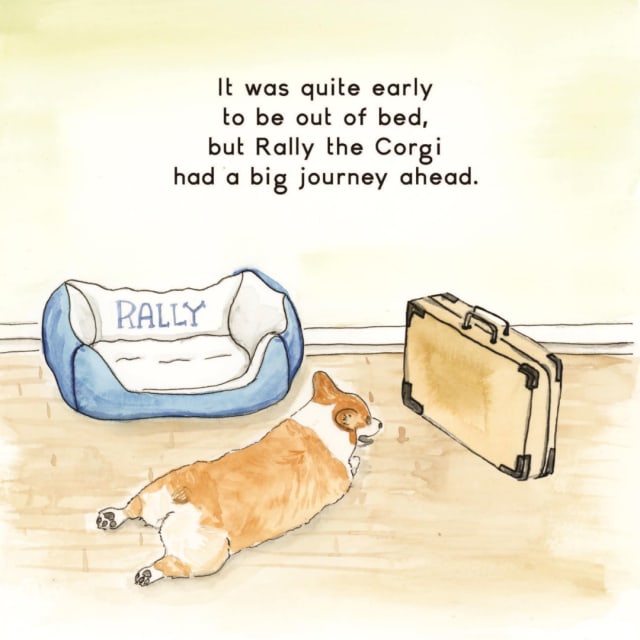
Train Story Sequencing: Beginning, Middle and End
A free, 35-minute kindergarten lesson where children retell Rally Takes the Train in order.
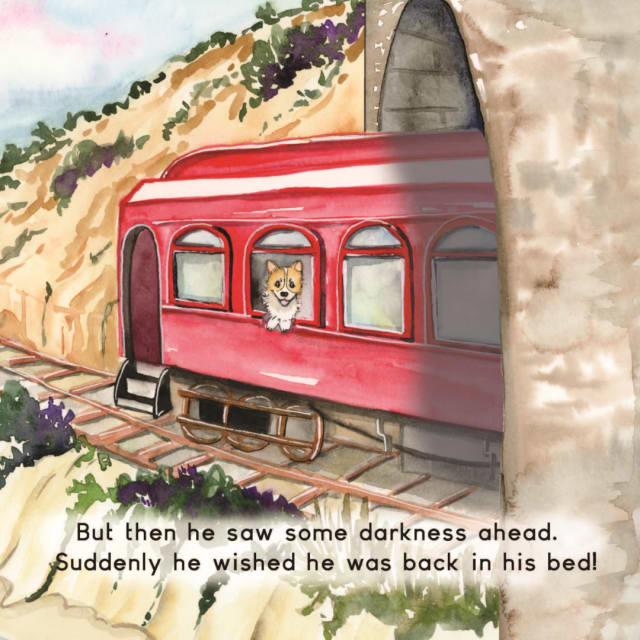
Rally's Feelings: Fear and Courage
A free, 35-minute kindergarten SEL lesson about fear and courage.
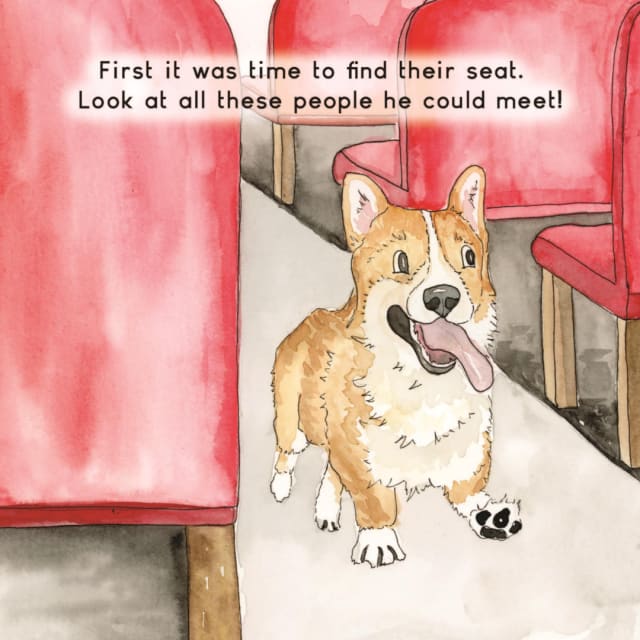
Counting Train Cars: Count and Compare to 20
A free, 40-minute kindergarten math lesson built on a train picture book.
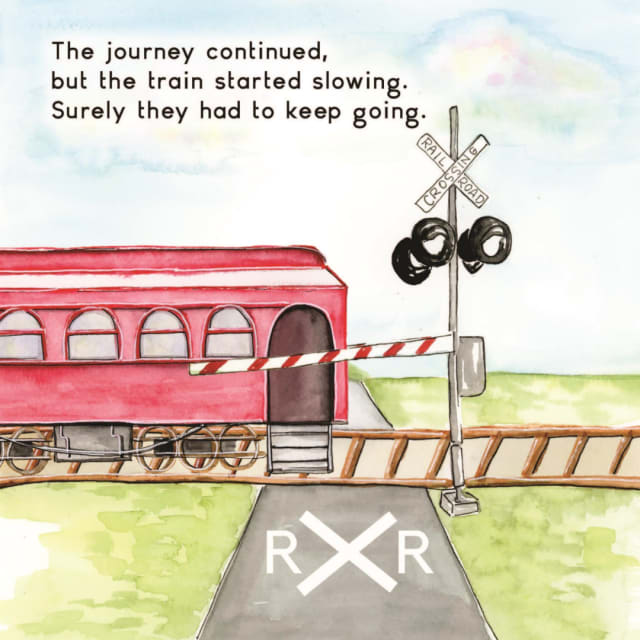
Map Rally's Journey: Position Words
A free, 40-minute kindergarten lesson on position words and simple maps.
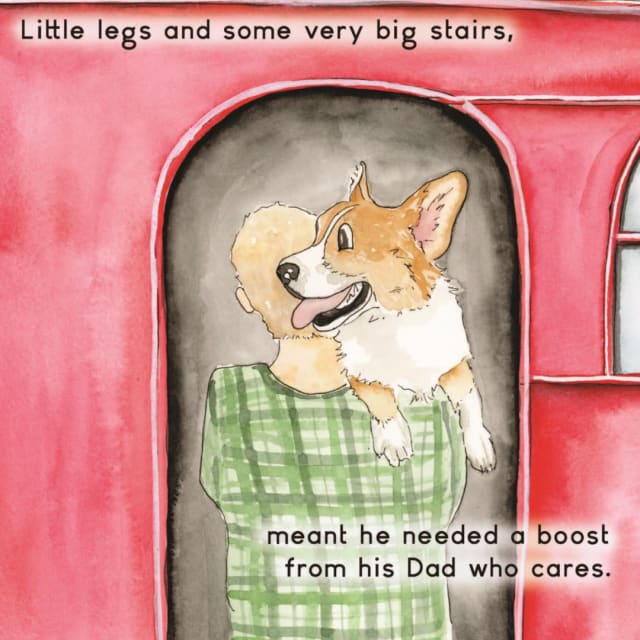
Push the Train: Pushes, Pulls and a Ramp Design
A free, 40-minute kindergarten science lesson where children push and pull a toy train to see how strength and direction change its motion.
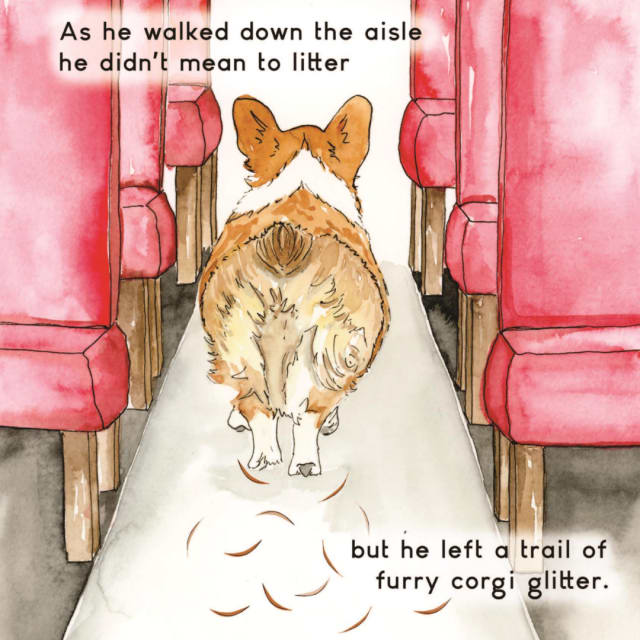
Rhyme Time with Rally
A free, 35-minute kindergarten phonological awareness lesson built on the rhymes in Rally Takes the Train.
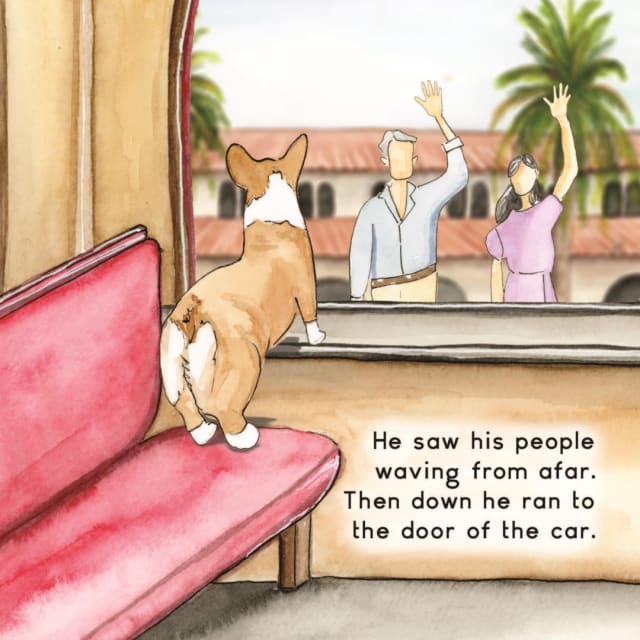
What's Inside a Train Museum? Reading a Museum Guide Together
A free, 40-minute kindergarten informational text lesson.
A ready-made train unit
Day 1: Story Sequencing (K1). Day 2: Rhyme Time (K6). Day 3: Counting Train Cars (K3). Day 4: Rally's Feelings (K2). Day 5: Push the Train (K5). Day 6: Map Rally's Journey (K4). Day 7: What's Inside a Train Museum? (K7), then plan a field trip or write to a museum.
Each lesson's Discover step reads a verified museum guide, one the museum itself has approved, and ends with a Keep exploring question. The unit then opens out into about 650 free train museum guides and, if you can, a field trip to a verified museum.
How every lesson works
From storytime to real trains
Read the story aloud with planned stops, wonder about it together, discover a verified museum guide, then create with a printable, a build or play. A Keep exploring question sends children into the museum guides afterward.
Built for real classrooms
Materials a classroom already has, support and extension ideas, sentence frames for multilingual learners, and a 3-level check you can mark while you circulate.
Teach it with the real book
4.9 stars on Amazon
Rally Takes the Train is a rhyming, hand-painted picture book about a corgi's first train ride, from the big station stairs to a dark tunnel to the people waiting at the end of the line. Children ask for it again and again, and every lesson here is built on its pages.
Questions teachers ask
What are good train activities for kindergarten?
Strong kindergarten train activities connect to a skill: retelling a train story in order, counting and comparing train cars to 20, testing pushes and pulls with toy trains, mapping a train route with position words, and reading a real train museum guide together. Each lesson on this page does one of those, with printables, standards and a family note in English and Spanish.
How can one picture book cover reading, math and science in kindergarten?
Read the same book several times and give each reading a new purpose. Once children know the story, they can focus on the new skill instead of the plot. The kindergarten train lessons use Rally Takes the Train for sequencing, rhyme, informational text, counting to 20, pushes and pulls, position words on a map, and fear and courage, so one familiar book carries a whole unit.
What is a good lesson plan format for a kindergarten read-aloud?
A simple four-part arc works well: read, talk, connect and apply. Every kindergarten train lesson follows Read, Wonder, Discover, Create. You read aloud with two to four planned stops, children ask and answer questions about the focus, the class reads a real train museum guide together, and then children apply the skill with a printable, a build, play or drawing.
How long should a kindergarten lesson be?
Most kindergarten lessons work best at 30 to 45 minutes with a change of activity every few minutes. Each kindergarten train lesson runs 35 or 40 minutes and moves from whole group to partners or small groups. Every lesson also lists a way to split it into two shorter blocks, such as two 20-minute sessions, for classes that need shorter stretches.
How do you differentiate a whole-group lesson in kindergarten?
Plan one shared activity, then a simpler path and a stretch for the same goal. Each kindergarten train lesson gives a support idea, such as fewer cards, smaller numbers or the book kept open, and an extension, such as a six-scene retell or a second design goal. These support ideas also help children with IEPs, since many tasks can be done orally or by pointing.
How do you support multilingual learners in kindergarten lessons?
Teach key words with a gesture, picture or object first, then give a sentence frame in English and the home language. Every kindergarten train lesson does this and suggests pairing a child with a peer who shares the home language when possible. Each lesson also names its WIDA key language use, Narrate, Inform or Explain, so you can plan language goals.
How do you check for understanding in kindergarten without a test?
Watch and listen while children work, and mark what you see against one clear goal. Each kindergarten train lesson ends with a 3-level check (Meets, Approaching, Beginning) that you can mark while you circulate. For example, in the counting lesson you note whether a child counts out a train to match a number card up to 20 and compares two trains correctly.
How do you teach social studies with a picture book in kindergarten?
Use the story's setting as a starting point for maps and history. In Map Rally's Journey, children place story scenes on a picture map and compare it to a real map of the route, which aligns to C3 D2.Geo.2.K-2. In What's Inside a Train Museum?, children read a museum guide and talk about why museums keep old trains, which aligns to D2.His.10.K-2.
Are these kindergarten train lesson plans really free?
Yes. Every lesson, printable and family note is free for classroom and homeschool use with no account needed and nothing to buy. You can print the materials, teach the lessons in any order and share the page link with colleagues. Please do not sell, repost or redistribute the printables, because the watercolor art comes from the book.
How long is a kindergarten train unit?
Plan on seven lessons, one a day, which takes seven school days. Each lesson runs 35 to 40 minutes and can be split into two shorter blocks, which stretches the unit to about two weeks. The unit can end with a train museum field trip, a video visit or a class letter to a museum, using the questions children write in the last lesson.
Which standards do the kindergarten train lessons cover?
The lessons list Common Core ELA (RL.K.2, RL.K.3, RL.K.7, RF.K.2a, RI.K.1, RI.K.7, SL.K.1, W.K.7), Common Core math (K.CC.B.5, K.CC.C.6, K.G.A.1), NGSS K-PS2-1 and K-PS2-2, the C3 Framework (D2.Geo.2.K-2 and D2.His.10.K-2) and the CASEL competencies Self-awareness and Self-management. Each lesson lists only what it teaches and checks, with the full standard text.
What order should I teach the kindergarten train lessons in?
Start with story sequencing so children know the book well, then follow the seven-day plan: Story Sequencing (K1), Rhyme Time (K6), Counting Train Cars (K3), Rally's Feelings (K2), Push the Train (K5), Map Rally's Journey (K4), and What's Inside a Train Museum? (K7). Ending with the museum reading lesson leads naturally into a field trip or a letter to a museum.
What printables come with the kindergarten train lessons?
Each lesson has its own printables, available in color, ink-saver and A4. They include sequencing cards and a retell strip, a feelings thermometer and brave badge, counting mats to 10 and 20 with a compare sheet, a journey map with position cards, push-pull and design sheets, rhyme match cards, and a museum I-spy and compare sheet. All use the book's watercolor art.
Do the kindergarten train lessons include a family note in Spanish?
Yes. Every kindergarten lesson includes a family note in English and in Spanish. Each note tells families what their child learned that day and gives one 5-minute activity to try at home, such as retelling a story in order or finding rhymes. The notes also point families to the free coloring pages at rallytakesthetrain.com/coloring-pages.
What materials do I need for a kindergarten train unit?
Mostly things a kindergarten room already has: chart paper, crayons, glue sticks, scissors and masking tape. The counting lesson uses 20 linking cubes per pair, the map lesson uses a toy train and a small box, and the push and pull lesson needs one toy train or toy car per group, string, blocks, a few books and cardboard. A screen or printout shows the museum guide in each Discover step.
Can I use the kindergarten train lessons in TK or 1st grade?
Yes, with small changes. For TK, use each lesson's support ideas, such as numbers to 10 and fewer cards, or try the preschool and Pre-K train activities at /lessons/preschool-train-activities. For 1st grade, use the extension ideas and the Think deeper questions in the read-aloud guide, such as asking children to write a sentence or compare two designs.
Can I teach the kindergarten train lessons without the book?
Partly. The printables show the book's own pictures, so children can sequence, match rhymes and map the journey from the cards, and the museum guides work on their own. The read-aloud steps do need the book. Credentialed Pre-K to 2nd grade teachers in the US can get a free paperback classroom copy by reviewing one lesson plan. They apply at rallytakesthetrain.com/free-book-for-teachers. The book is also in paperback on Amazon.
Why use Rally Takes the Train in kindergarten?
It has a clear beginning, middle and end, a rhyme on every page, and a moment of fear and courage in a dark tunnel. Those features make it useful for retelling, rhyme and feelings talk. The trip is based on a real train ride along the Southern California coast, which connects the story to maps, real trains and train museums.
How do the kindergarten train lessons connect to real train museums?
Every Discover step reads a guide from a verified museum, such as the San Francisco Railway Museum or Steamtown National Historic Site, which means the museum itself reviewed and approved it. After each lesson, the Keep exploring section links to about 650 free train museum guides at rallytakesthetrain.com/train-museums, drawn from each museum's own materials and published sources. To plan a field trip, video visit or class letter, the field trip planner lists more than 70 verified museums.
Is there a ready-made kindergarten train unit plan?
Yes. This page lays out a seven-day train unit with one lesson a day, from story sequencing through a museum reading lesson. Each lesson lists the time, prep, grouping, book pages, vocabulary, numbered steps and a 3-level check, so you can teach it the next day. Prep for each lesson takes about 5 to 10 minutes of printing and cutting.
More for your classroom
Looking for Preschool & Pre-K? See preschool and pre-k train activities. Ready to keep exploring? Browse about 650 free train museum guides, or plan a visit with the field trip planner. Free coloring pages are at Rally coloring pages.