
Rhyming Activities for Kindergarten: Rhyme Time with Rally and the Train
A free, 35-minute kindergarten phonological awareness lesson built on the rhymes in Rally Takes the Train. Children hear the teacher model rhyme, judge rhyme pairs with thumbs up or down, match picture rhyme cards and produce new rhymes, including silly nonsense words. All tasks are oral. Includes cards and a family note.
- Grade
- Kindergarten
- Subjects
- Foundational reading skills, Reading literature
- Time
- 35 minutes (or two 18-minute blocks)
- Prep
- 5 minutes: print and cut one set of rhyme match cards per pair, plus one extra set; pull four pairs from the extra set for whole-group modeling
- Grouping
- Whole group, then partners
- Book pages
- 1, 5, 7, 13
- CCSS RF.K.2a
 Need the book? Get the paperback on Amazon (opens in a new tab) or earn a free classroom copy.
Learning objective
Students recognize whether two spoken words rhyme and produce a rhyming word (real or nonsense) for a given word from Rally Takes the Train.
I can hear when two words rhyme, and I can make a new rhyme.
Vocabulary to teach
Materials
- Rally Takes the Train by Kelsey Lizee Cecil: get the paperback on Amazon (opens in a new tab) or earn a free classroom copy
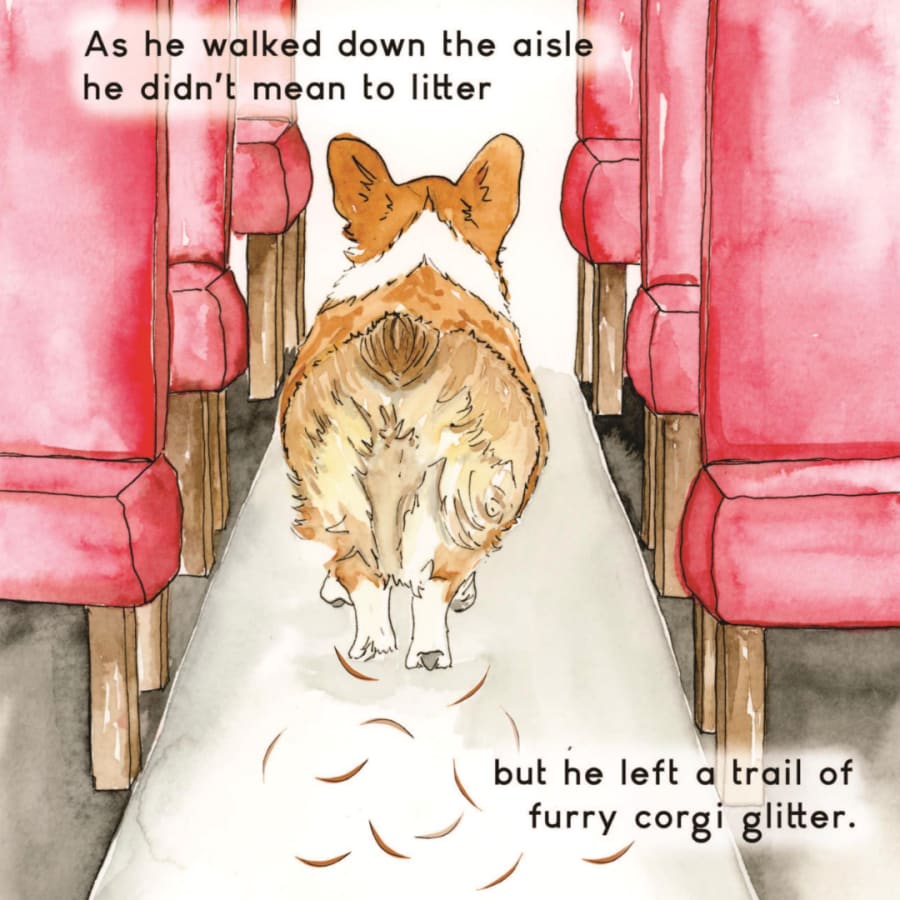
- Rhyme match cards, one set per pair (printable): 16 picture cards for 8 rhyme pairs using words from the book, each with a picture and the word printed small for the teacher to read aloud: bed/head (page 1 dog bed, page 17 a hand reaching for Rally's head), seat/meet (page 5 red seats, two hands shaking), bird/heard (page 8 white gull, an ear), food/chewed (an apple, page 9 Rally with his pretzel), litter/glitter (page 7 fur on the floor, sparkles), ears/cheers (Rally's big ears and his happy face, page 15), sight/light (an eye, page 13 bright light at the end of the tunnel), afar/car (page 3 station, page 3 red train car)
- Four pairs from the extra card set to hold up while you model: seat/meet, bird/heard, bed/head and ears/cheers
- A paper train engine taped to the board with empty 'rhyme cars' behind it (sticky notes work)
- Screen or printout of the Twin City Model Railroad Museum guide (see Discover)
Lesson steps
Hold up the cover. "This book is full of rhymes. Rhymes are words that sound the same at the end. Listen to me: bed, ahead. Bed, ahead. They both end with ed. Turn on your listening ears and listen for words that end the same."
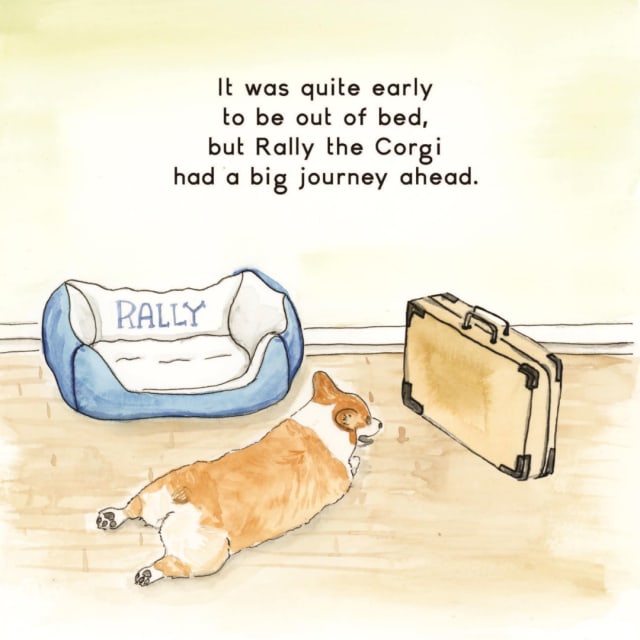
Reread the sentence and stress the end words. "Out of bed... journey ahead. Bed, ahead. Say them with me. Do they sound the same at the end?" (Yes, ed.) "That is a rhyme."
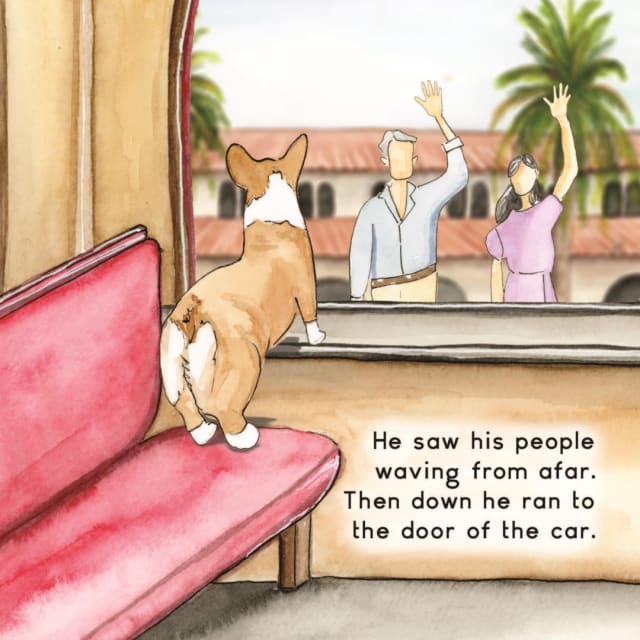
"Find their seat... people he could meet. Seat, meet. Thumbs up if they rhyme." (Thumbs up, they both end in eet.)
"Litter, glitter. Say them with me. What part sounds the same at the end?" (itter.) "Thumbs up if litter and glitter rhyme." (Thumbs up.)
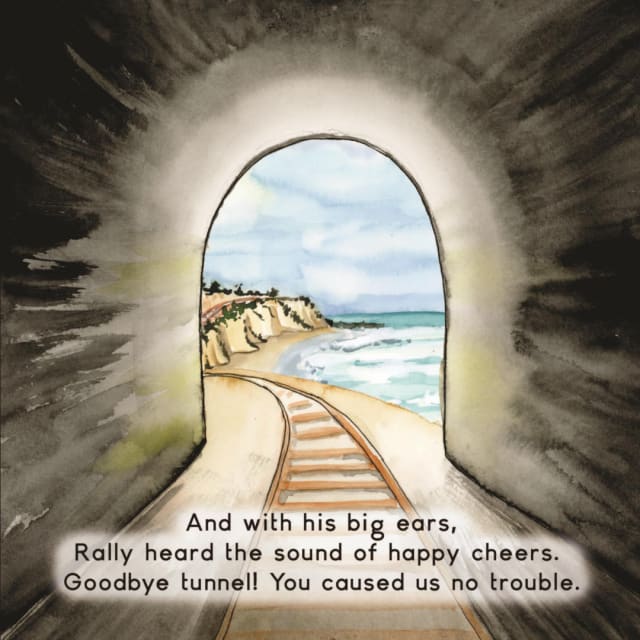
"Big ears... happy cheers. Ears, cheers. Thumbs up if they rhyme." (Thumbs up.) "Now listen: ears, train. Thumbs up or thumbs down?" (Thumbs down. They do not sound the same at the end.)
- Hold up the seat and meet cards. "Seat, meet: I hear eet and eet. They rhyme." Thumbs up. Hold up seat and bird. "Seat, bird: I hear eet and ird. They do not rhyme." Thumbs down.
- Children stand. Say pairs from the book and a few non-rhymes. Children stretch tall for a rhyme and crouch low for no rhyme: stairs/cares, friend/end, bird/seat, glee/see, food/ears, sight/light, car/bed, slowing/going. Then everyone sits.
- After each pair, call on one child to say why: "___ and ___ rhyme because they both end with ___." If children disagree, say both words slowly and stretch the ending together.
- Ask: "Why do you think the author used so many rhymes?" (It sounds fun, it is easy to remember, it has a beat.)
- Open the Twin City Model Railroad Museum guide, or find a verified museum near your school in the field trip planner (rallytakesthetrain.com/lessons/train-museum-field-trips). Read two or three sentences aloud and show the photos. Teach layout directly: "A layout is a little pretend world with tracks for model trains. At this museum, kids press a button to make the toy trains run."
- "I will say some words from the museum. Listen: train, track, toy." Children repeat each word.
- Model one rhyme yourself, then make rhymes for each word together and add each one to a rhyme car on the paper train: train (rain, plane, brain, zain), track (back, snack, quack, mack), toy (boy, joy, zoy). "Silly words count when they rhyme!"
Or find a verified museum near your school in the field trip planner.
- Partners get a mixed-up set of rhyme match cards. The teacher reads each picture word aloud as partners point to it, so no one needs to read the print. Teach afar directly: "Afar means far away."
- Partners say the two picture words out loud and slide matching rhyme cards together (bed/head, seat/meet, bird/heard). They say "___ and ___ rhyme" for each match.
- Make a new rhyme: the teacher says a starter set like "seat, meet, ___" or "car, star, ___" and each child adds a word, real or silly. Partners take turns giving each other a starter.
- End with a whole-class rhyme chant: each child says one rhyme for train as the class claps the beat.
Differentiation
Extra support
Start with only three card pairs and say the words slowly, stretching the ending ("seeeat, meeeat"). Before producing a rhyme, let the child choose between two spoken options: "Does seat rhyme with feet or with dog?" A child can answer rhyme or no rhyme by pointing to a thumbs-up or thumbs-down card.
Multilingual learners
Teach the picture words on the cards with gestures and objects first, since a child cannot judge rhyme without knowing the words. Give the frame "___ and ___ rhyme." Invite children to share a rhyme in their home language. Key language use: Explain.
Extension
Ask children to make a rhyme chain as long as they can (bed, red, said, fed, zed) and to find a rhyme pair in the book on their own while the teacher rereads a page.
Check for understanding
Success criterion: Recognizes whether two spoken words rhyme and produces a rhyming word (real or nonsense) for a given word.
| Level | What you see |
|---|---|
| 3Meets (level 3) | Correctly judges rhyme and non-rhyme pairs and produces a rhyme (real or nonsense) for at least three starter words. |
| 2Approaching (level 2) | Recognizes most rhyme pairs but produces a rhyme only with a choice of two words or a model. |
| 1Beginning (level 1) | Repeats words but cannot yet tell rhyme from non-rhyme; may give a word that matches the beginning sound instead. |
Family connection
Send home the half-page note in the printables. The text is below so you can paste it into a newsletter or app.
English
Today your child played rhyming games with the picture book Rally Takes the Train. Rhyming words sound the same at the end, like seat and meet. Your child listened for rhymes, gave thumbs up or down to word pairs, matched rhyme cards and made up new rhymes. Silly made-up words count! Hearing rhyme is an early step toward reading. At home, take five minutes in the car or at dinner: say a word like cat and take turns adding rhymes. Free Rally coloring pages are at rallytakesthetrain.com/coloring-pages.
Español
Hoy su hijo o hija jugó con rimas usando el libro Rally Takes the Train. Las palabras que riman suenan igual al final, como seat y meet. Su hijo o hija escuchó rimas, mostró el pulgar hacia arriba o hacia abajo, juntó tarjetas que riman e inventó rimas nuevas. ¡Las palabras inventadas también cuentan! Escuchar rimas es un primer paso para aprender a leer. En casa, tomen cinco minutos en el carro o en la cena: diga una palabra y túrnense para decir rimas. Pueden jugar en inglés o en español. Hay páginas para colorear gratis de Rally en rallytakesthetrain.com/coloring-pages.
Teacher tips
- Welcome nonsense rhymes on purpose. A child who says "train, zain" has heard the ending sound, which is exactly the skill, and the silliness keeps everyone listening.
- Watch for children who give a word with the same first sound ("seat, sun"). Say both words slowly and ask, "Do they sound the same at the beginning or the end?"
- Keep the rhyme game going in transitions. Saying "Line up if your rhyme for car is ready" gives quick extra practice with no materials.
Standards alignment
| Standard | Text |
|---|---|
| CCSS RF.K.2a (opens in a new tab) | Recognize and produce rhyming words. |
Check codes against your state's version of these standards. How we build and review lessons.
Keep exploring
Find three train words in a museum guide, like track, train or car. Can you think of a word that rhymes with each one?
After the lesson, children can explore about 650 train and railway museums through our free guides, discovering the history, engineering and stories behind real trains. Read one together, then come back to the question.
Teach it with the real book
4.9 stars on Amazon
Rally Takes the Train is a rhyming, hand-painted picture book about a corgi's first train ride, from the big station stairs to a dark tunnel to the people waiting at the end of the line. Children ask for it again and again, and every lesson here is built on its pages.
Questions teachers ask
How do you teach rhyming in kindergarten?
Teach it by ear first. Model a pair and name the matching ending, such as bed and ahead both ending with ed. Let children judge pairs with thumbs up or down, then ask them to produce a rhyme for a starter word. Use a rhyming picture book so the sound pattern comes up naturally, and accept nonsense rhymes because they prove the child hears the ending.
Do nonsense words count as rhymes?
Yes. Rhyming is a listening skill, not a vocabulary skill. If a child says toy and zoy, they heard and matched the ending sound, which is what RF.K.2a asks for. Nonsense rhymes are a good place to start because children can make them quickly without searching for a real word, and the silliness keeps everyone listening.
What is a good rhyming book for kindergarten?
A good rhyming book has a clear rhyme on every page and a story children want to hear again. Rally Takes the Train rhymes on each page with pairs like seat and meet, litter and glitter, and ears and cheers, so it works for both read-aloud enjoyment and direct rhyme practice.
Why is rhyming important for kindergarten reading?
Rhyming trains children to hear the ending sounds of words, which is part of phonological awareness, an early step toward reading. Common Core RF.K.2a asks kindergarteners to recognize and produce rhyming words. Because it is a listening skill, children can practice it before they read print, and a rhyming picture book like Rally Takes the Train gives them many pairs to hear in context.
What if a kindergartener gives a word with the same first sound instead of a rhyme?
This is common. A child who says seat and sun is matching the beginning sound, not the end. Say both words slowly and ask whether they sound the same at the beginning or the end. Then stretch the ending of a true rhyme pair, like seeeat and meeeat, and offer a choice of two words: does seat rhyme with feet or with dog?
What is a quick rhyming game for kindergarten transitions?
Turn lining up into rhyme practice. Ask children to line up when their rhyme for car is ready, and let each child say a real or silly rhyme as they move. Clapping a rhyme chant for train works at the end of a lesson too. These games need no materials, take a minute or two, and give extra practice beyond the lesson.
What is the difference between recognizing and producing rhymes?
Recognizing a rhyme means hearing whether two given words rhyme, such as seat and meet. Producing a rhyme means coming up with a new rhyming word yourself, which is harder. Children generally need to recognize rhymes before they can produce them. This lesson does both: thumbs up or down for word pairs, then making a new rhyme for a starter word.
What words rhyme with train for kids?
Real rhymes for train include rain, plane and brain, and a silly word like zain counts too because it matches the ending sound. In this lesson children also rhyme track with back, snack and quack, and toy with boy and joy plus nonsense words like zoy. Each rhyme goes on a sticky note rhyme car behind a paper train engine on the board.
Why are the rhyme cards read by the teacher?
Because this is a phonological awareness lesson, the skill is hearing sounds, not reading print. When the teacher reads every picture word aloud, every child can join in, including children who are not yet reading. The small printed word on each card is there to help the teacher, not to test the child.
What standards does a kindergarten rhyming lesson meet?
Recognizing and producing rhyming words meets Common Core RF.K.2a, the one standard this lesson lists. Children judge spoken pairs with thumbs up or down, match rhyme cards, then produce new rhymes, and the 3-level check scores both recognition and production. The full standard text is listed in the lesson so you can copy it into your plans.
How long is the Rhyme Time with Rally lesson?
About 35 minutes, or two 18-minute blocks. The read-aloud with four rhyme stops takes 9 minutes, thumbs up and down practice takes 8, the museum word rhymes take 6 and the partner rhyme match takes 12. Short rhyme games during transitions after the lesson keep the skill going without extra prep.
What do I need to prepare for the rhyming lesson?
About 5 minutes. Print and cut one set of rhyme match cards per pair, plus one extra set, and pull four pairs from the extra set to hold up while you model. Tape a paper train engine to the board with sticky notes as empty rhyme cars. The printables come in color, ink-saver and A4 versions with a family note, all free with no account needed.
Which rhyming words from Rally Takes the Train are on the cards?
The 16 picture cards make 8 rhyme pairs from the book: bed and head, seat and meet, bird and heard, food and chewed, litter and glitter, ears and cheers, sight and light, and afar and car. Each card has a picture, many cropped from the book's pages, and the word printed small for the teacher to read aloud.
How do I teach rhyming to multilingual learners?
Teach the picture words first with gestures and objects, since a child cannot judge rhyme without knowing the words. Give the frame ___ and ___ rhyme, and invite children to share a rhyme in their home language, which shows they have the skill in any language. The WIDA key language use for this lesson is Explain.
How do I support kindergarteners who struggle with rhyming?
Make it smaller and slower. Start with only three card pairs and say the words slowly, stretching the ending. Before asking a child to produce a rhyme, give a choice of two spoken words, such as asking whether seat rhymes with feet or with dog. Accept nonsense rhymes, since they show the child heard the ending sound.
Can I use this rhyming lesson in TK, mixed ages or 1st grade?
Yes. For TK or mixed ages, use three card pairs and focus on thumbs up or down recognition. The preschool lessons at /lessons/preschool-train-activities include a rhyme and syllable clapping lesson for younger children. For 1st grade or advanced kindergarteners, ask for a rhyme chain as long as they can make, such as bed, red, said and fed, and have them find a rhyme pair while you reread a page.
How do you assess rhyming in kindergarten?
Check both recognition and production. In this lesson, Meets means a child correctly judges rhyme and non-rhyme pairs and produces a rhyme, real or nonsense, for at least three starter words. Approaching means recognizing most pairs but producing a rhyme only with a choice or a model. Beginning means repeating words without telling rhyme from non-rhyme.
Is there a Spanish family note for the rhyming lesson?
Yes. The family note is in English and Spanish, as a half-page printable and as text to paste into a newsletter or app. It explains that rhyming words sound the same at the end and that silly words count. The 5-minute home idea: in the car or at dinner, say a word like cat and take turns adding rhymes.
What can children explore after the rhyming lesson?
In Discover, children hear a few sentences from the Twin City Model Railroad Museum guide, a verified museum where kids press a button to make toy trains run, then make rhymes for train, track and toy. The Keep exploring section at the end of the lesson links to about 650 free train museum guides at rallytakesthetrain.com/train-museums. Read a train word from any guide aloud and let children find words that rhyme with it.
Can I teach Rhyme Time with Rally without the book?
Yes, in part. The rhyme cards, thumbs up game and museum word rhymes work on their own because the teacher reads every word aloud. The read-aloud stops on pages 1, 5, 7 and 13 need the book, which is in paperback on Amazon. Credentialed Pre-K to 2nd grade teachers in the US can get a free paperback classroom copy by reviewing one lesson plan. They apply at rallytakesthetrain.com/free-book-for-teachers.
Related lessons
Choo-Choo Chant: Rhyme and Syllable Clapping
A free, 30-minute preschool and Pre-K phonological awareness lesson.
Train Story Sequencing: Beginning, Middle and End
A free, 35-minute kindergarten lesson where children retell Rally Takes the Train in order.
What's Inside a Train Museum? Reading a Museum Guide Together
A free, 40-minute kindergarten informational text lesson.
Teaching with Rally Takes the Train
Every lesson is free for classroom and homeschool use. Add the paperback to your classroom library, or review a lesson to earn a free copy if you are a credentialed teacher. Keep the journey going in about 650 free train museum guides, plan a visit with the field trip planner, or browse all lessons for educators.