
Fear and Courage Lesson for Kindergarten: Rally's Feelings in the Tunnel
A free, 35-minute kindergarten SEL lesson about fear and courage. Children name how Rally feels in the dark tunnel and how they know, rate feelings on a 3-color feelings thermometer, practice balloon breathing, then draw a time they were brave on a brave badge. Includes printables, a checklist and a family note.
- Grade
- Kindergarten
- Subjects
- Social and emotional learning, Reading literature, Speaking and listening
- Time
- 35 minutes (or two 20-minute blocks)
- Prep
- 5 minutes: print one feelings thermometer and one brave badge per child; draw a large 3-color thermometer on chart paper
- Grouping
- Whole group, then partners, then individual
- Book pages
- 11, 12, 13, 15
- CCSS RL.K.7
- CASEL: Self-awareness
- CASEL: Self-management
 Need the book? Get the paperback on Amazon (opens in a new tab) or earn a free classroom copy.
Learning objective
With prompting and support, students name how Rally feels before, in and after the tunnel, point to details in the pictures that show what the words say, and name one calming strategy that helps them take a brave next step.
I can name a feeling, show how big it is, and use a calm breath to help me be brave.
Vocabulary to teach
Materials
- Rally Takes the Train by Kelsey Lizee Cecil: get the paperback on Amazon (opens in a new tab) or earn a free classroom copy
- Large feelings thermometer on chart paper: green at the bottom (calm), yellow in the middle (a little worried), red at the top (very scared), with a clothespin or sticky note to move
- Feelings thermometer printable, one per child: the same 3-color thermometer next to a crop of Rally in the dark car (page 12), a second, blank thermometer labeled "Me", and three brave steps at the bottom (balloon breath, hold on to someone, look for the light)
- Brave badge printable, one per child: a round badge with a drawing space in the center, the frame "I was brave when ___." on write-in lines, and a small Rally smiling at the window (page 15) on the edge
- Crayons, plus an optional balloon that you inflate and hold yourself to show how a balloon fills and empties (see Safety)
- Screen or printout of the Twin City Model Railroad Museum guide (see Discover)
Lesson steps
Teach two words before reading. "Scared is the feeling you get when you think something bad might happen. Brave means doing the next step even when you feel scared. Let's watch Rally's feelings change on his train ride." Before page 11, add: "The tunnel part is short, and the train comes back out into the light." Read pages 1 to 10 at a steady pace, then slow down for the stops.
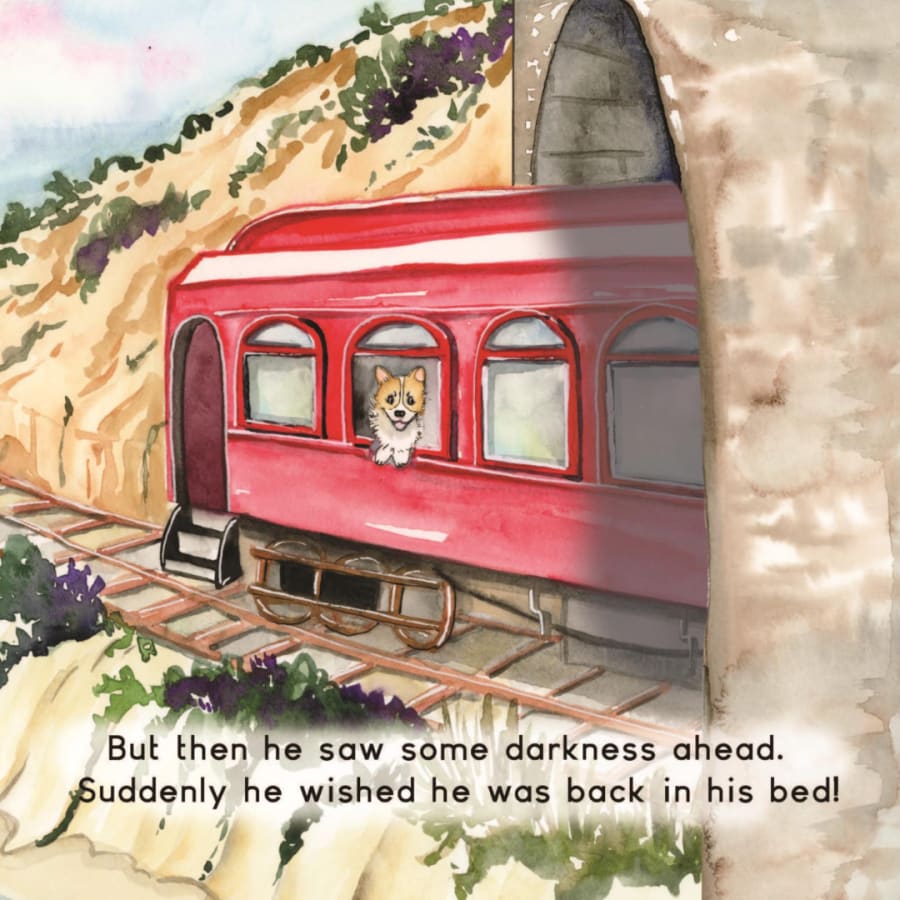
Read the words, then ask: "What does Rally see ahead? How do the words tell us he feels?" (Darkness. He wished he was back in his bed, so he is starting to feel scared.)
"The words say Rally was scared. Point to something in the picture that shows how he feels." (It is dark all around him; accept details children point to.) Move the clothespin on the class thermometer: "Is Rally green, yellow or red right now?"
"What did Rally see and hear that helped him?" (A big bright light and happy cheers.) "Rally felt scared, and he stayed in his seat and waited with his family until the light came. That was brave."
"Look at Rally's face now. What color is he on our thermometer?" (Green, happy and calm.) "His feelings changed. Big feelings do not last forever."
- Point to the class thermometer. "Feeling scared is normal. Grown-ups feel scared sometimes too. Brave does not mean you are not scared. It means you do the next step anyway, and you can ask for help."
- Partners turn and talk: "What helped Rally feel braver?" Take answers and list them: the light, the cheers, being with Mom and Dad, knowing the tunnel would end.
- Teach one calming strategy together. Balloon breath: hands on tummy, breathe in slowly through the nose to fill the balloon, breathe out slowly through the mouth to let it go. Do three together, then name the two other brave steps on the printable: hold on to someone (like Rally staying close to his family) and look for the light (find one thing that helps).
- Stand up, stretch tall, then sit. Open the Twin City Model Railroad Museum guide, or find a verified museum near your school in the field trip planner (rallytakesthetrain.com/lessons/train-museum-field-trips). Read two or three sentences aloud yourself and show the photos. "This museum in St. Paul, Minnesota, is full of model trains. Kids can press a button to make the trains run, and there are train tables just the right size for little kids."
- "Going somewhere new, like a museum or a new classroom, can feel big and busy at first. Lots of trains, lots of people, lots of sounds! What helps people feel safe and calm in a new place?" Record ideas: holding a grown-up's hand, knowing what will happen next, a calm breath, a friend nearby.
- "Rally felt scared in the tunnel in our book. A new place can feel a little scary too, and one small step, like pressing a button to start a train, can help you feel brave." Children share with a partner one new place they went or might go someday, and one thing that would help them feel calm there.
Or find a verified museum near your school in the field trip planner.
- On the feelings thermometer printable, children draw an arrow beside the color that shows how Rally felt in the tunnel (page 12). On the "Me" thermometer, they draw an arrow to show how they feel when something is new.
- Children draw a time they were brave in the center of the brave badge: a first day, a new place, trying something hard. Model one quick drawing of your own first. A child who would rather not share a personal time can draw Rally being brave instead.
- Children dictate or write "I was brave when ___." with inventive spelling. Then each child tells a partner: "I felt ___. I was brave when ___. What helped me was ___." Any child may pass. End with one balloon breath together.
Safety: If you use a balloon, inflate it yourself and keep it in your hands. Uninflated or popped balloon pieces are a choking hazard, so pick up any pieces right away, and skip latex balloons if anyone in the room has a latex allergy. Keep the fear talk gentle: tell children before page 11 that the tunnel part is short, and let any child sit near you or pass on sharing.
Differentiation
Extra support
Offer three feeling faces (calm, worried, scared) to point to instead of naming the feeling. Give choices for the brave drawing: "Was it a new place, a new food or trying something new?" Accept a drawing with no words, or a point to a color on the thermometer, as a full answer.
Multilingual learners
Teach scared, brave and calm with a face and a gesture for each, and give the frames "Rally feels ___." and "I was brave when ___." in English and the home language. Pair with a peer who shares the home language when possible. Key language use: Explain.
Extension
Children add a second sentence to the badge naming their calming strategy ("I used my balloon breath.") and tell how their feeling changed from red or yellow to green.
Check for understanding
Success criterion: Names Rally's feeling in the tunnel, points to a detail in the picture that matches what the words say, and names one brave step and one calming strategy.
| Level | What you see |
|---|---|
| 3Meets (level 3) | Names Rally's feeling, points to a picture detail that shows what the words say, and describes a brave time (their own or Rally's) with a strategy that helped. |
| 2Approaching (level 2) | Names Rally's feeling and shares a brave time, but needs a prompt to point to a picture detail or to name a strategy. |
| 1Beginning (level 1) | Points to a feeling face or color with support; does not yet connect the picture to the words or name a strategy. |
Family connection
Send home the half-page note in the printables. The text is below so you can paste it into a newsletter or app.
English
Today your child talked about feelings with the picture book Rally Takes the Train. Rally the Corgi felt scared in a dark tunnel, then saw a bright light and felt happy again. We learned that feeling scared is normal, and that brave means doing the next step anyway, often with help. Your child practiced balloon breathing: breathe in slowly to fill a balloon, then breathe out slowly. Tonight, ask your child to show you a balloon breath and tell you about their brave badge. Free Rally coloring pages are at rallytakesthetrain.com/coloring-pages.
Español
Hoy su hijo o hija habló de los sentimientos con el libro Rally Takes the Train. Rally, el corgi, sintió miedo en un túnel oscuro, luego vio una luz brillante y se sintió feliz otra vez. Aprendimos que sentir miedo es normal y que ser valiente es dar el siguiente paso de todos modos, muchas veces con ayuda. Su hijo o hija practicó la respiración del globo: inhalar despacio para inflar un globo y exhalar despacio. Esta noche, pídale que le muestre una respiración del globo y que le cuente sobre su insignia de valentía. Hay páginas para colorear gratis de Rally en rallytakesthetrain.com/coloring-pages.
Teacher tips
- If a child shares a real fear or a hard experience, respond calmly: "That sounds hard. What helps you feel a little braver?" Keep the focus on what helps, and follow your school's counselor process, and your mandated reporting policy if a share raises a safety concern.
- Model your own small brave moment first (a new grocery store, a tall slide). Children share more freely after they hear a grown-up admit to feeling scared.
- Keep the class thermometer up after the lesson. A quick "What color are you right now?" check-in after recess turns the lesson into a daily routine.
Standards alignment
| Standard | Text |
|---|---|
| CCSS RL.K.7 (opens in a new tab) | With prompting and support, describe the relationship between illustrations and the story in which they appear (e.g., what moment in a story an illustration depicts). |
| CASEL: Self-awareness (opens in a new tab) | Self-awareness |
| CASEL: Self-management (opens in a new tab) | Self-management |
Check codes against your state's version of these standards. How we build and review lessons.
Keep exploring
New places can feel big at first. Choose a museum from the guides that you would like to visit. What is one brave thing you would try there?
After the lesson, children can explore about 650 train and railway museums through our free guides, discovering the history, engineering and stories behind real trains. Read one together, then come back to the question.
Teach it with the real book
4.9 stars on Amazon
Rally Takes the Train is a rhyming, hand-painted picture book about a corgi's first train ride, from the big station stairs to a dark tunnel to the people waiting at the end of the line. Children ask for it again and again, and every lesson here is built on its pages.
Questions teachers ask
How do you teach courage to kindergarten students?
Teach courage as doing the next step even when you feel scared, often with help. Use a story where a character feels scared and keeps going, name the feeling together, and point out what helped. Then practice one calming strategy, like balloon breathing, and let children draw a time they were brave. In this lesson, Rally's ride through a dark tunnel is that story.
What is a feelings thermometer for kindergarten?
A feelings thermometer is a simple scale that shows how big a feeling is. This lesson uses three colors: green for calm, yellow for a little worried and red for very scared. Children move a marker or color an arrow to rate a character's feeling or their own, which builds the words they need to ask for help.
What should I do if a child shares something upsetting during an SEL lesson?
Stay calm and keep your response short and warm, such as: That sounds hard. What helps you feel a little braver? Thank the child for sharing, gently move the group forward, and check in with the child privately afterward. Keep the focus on what helps. Follow your school's counselor process, and your mandated reporting policy if a share raises a safety concern.
What are simple calming strategies for kindergarten?
Balloon breathing is one of the easiest: hands on tummy, breathe in slowly through the nose to fill the balloon, then breathe out slowly through the mouth to let it go. This lesson also names two brave steps from the story that appear on the printable: hold on to someone, like Rally staying close to his family, and look for the light, which means finding one thing that helps. Practice when children are calm.
How do you explain being brave to a five-year-old?
Say that brave does not mean you are not scared. Brave means doing the next step even when you feel scared, and you can ask for help. In Rally Takes the Train, Rally is scared in the dark tunnel, but he stays in his seat and waits with his family until he sees the light. Children can point to that moment and then think of their own brave step.
What is a good picture book about feeling scared for kindergarten?
Choose a book where the scary moment is short, safe and resolved, so children can talk about fear without being overwhelmed. In Rally Takes the Train, a corgi feels scared when his train goes into a dark tunnel, then sees a big bright light and hears happy cheers. Pages 11 to 15 show his feelings change from worried to scared to happy and calm.
How do you help kindergarteners name their feelings?
Teach feeling words directly, with a face and a gesture for each, and then connect them to a character. In this lesson children learn scared, brave and calm, look for clues in the words and pictures of a story, and rate Rally's feeling on a green, yellow and red thermometer. Then they rate their own feeling, which gives them words to use when they need help.
How do you make feelings check-ins part of the kindergarten day?
Keep a simple visual up after the lesson and use it often. Leave the class feelings thermometer on the wall and ask what color children are right now after recess or before a new task. Children point to green, yellow or red, and you can follow up with a balloon breath together. The quick check-in turns a one-time lesson into a daily routine.
What standards does a fear and courage lesson meet?
Pointing to details in the pictures that show the feeling the words name, such as the dark car around Rally on page 12, meets Common Core RL.K.7. The feelings work aligns with the CASEL competencies Self-awareness (naming feelings) and Self-management (using a calming strategy). All three are checked in the lesson's 3-level check, and the full text is listed so you can copy it into your plans.
How long is the kindergarten fear and courage lesson?
The lesson takes about 35 minutes, or two 20-minute blocks. The read-aloud with four stops takes 10 minutes, Wonder with calming strategies takes 7, the museum connection takes 6 and the brave badge activity takes 12. To split it, do the read-aloud and balloon breathing on day one, then the museum talk, thermometer printable and brave badge on day two.
What materials does the feelings and courage lesson need?
Prep takes about 5 minutes. Draw a large three-color thermometer on chart paper, green for calm, yellow for a little worried and red for very scared, with a clothespin or sticky note to move. Print one feelings thermometer and one brave badge per child. Add crayons, the book, a screen or printout of a museum guide, and an optional balloon that you inflate and hold yourself.
What is on the feelings thermometer and brave badge printables?
The feelings thermometer shows a green, yellow and red scale beside Rally in the dark car from page 12, a blank thermometer labeled Me, and three brave steps: balloon breath, hold on to someone and look for the light. The brave badge has a drawing space and the frame I was brave when, with write-in lines. Both come in color, ink-saver and A4, free with no account needed.
How do I adapt an SEL lesson for multilingual learners?
Teach each feeling word with a face and a gesture before you use it, then give sentence frames in English and the home language. In this lesson the frames are Rally feels ___ and I was brave when ___. Pair the child with a peer who shares the home language when possible. The WIDA key language use for this lesson is Explain.
How do I support a child who struggles to talk about feelings?
Lower the language demand. Offer three feeling faces, calm, worried and scared, to point to instead of naming the feeling, and give choices for the brave drawing, such as a new place, a new food or trying something new. Pointing to a color on the thermometer counts as sharing. Any child may pass, or draw Rally being brave instead of a personal memory.
Can I use the fear and courage lesson in TK or 1st grade?
Yes. For TK or mixed ages, use the three feeling faces, act out each calming strategy and let children draw the brave badge without writing. For 1st grade or children ready for more, have them add a second sentence naming their calming strategy, such as I used my balloon breath, and tell how their feeling changed from red or yellow to green.
How do you check understanding in a kindergarten SEL lesson?
Listen for three things: the feeling, a picture clue and a strategy. In this lesson a child meets the goal when they name Rally's feeling in the tunnel, point to a detail in the picture that shows what the words say, and describe a brave time with a strategy that helped. Approaching children need a prompt for the picture clue or strategy, and beginning children point to a face or color with support.
Is there a Spanish family note for the fear and courage lesson?
Yes. The family note is in English and Spanish, as a half-page printable and as text you can paste into a newsletter or app. It tells families that feeling scared is normal and that brave means doing the next step anyway, often with help. The 5-minute home activity: ask your child to show you a balloon breath and tell you about their brave badge.
Why is Rally scared in Rally Takes the Train?
Rally feels scared when his train goes into a dark tunnel and he cannot see anything. On page 11 he sees darkness ahead and wishes he was back in his bed. On page 12 he is scared, then quickly sees a big and bright light. By page 13 he hears happy cheers, and on page 15 he is smiling at the window. The tunnel is a short, safe way to talk about fear.
What can children explore after the courage lesson?
In Discover, children hear from the Twin City Model Railroad Museum guide, a verified museum where kids press a button to make trains run, and talk about what helps in a new, busy place. The Keep exploring section at the end of the lesson links to about 650 free train museum guides at rallytakesthetrain.com/train-museums. Looking at a museum's photos together before a visit is a gentle way to help a new place feel a little more familiar.
Can I teach the courage lesson without Rally Takes the Train?
You can teach the calming strategies and brave badge on their own, and the feelings thermometer printable shows Rally in the dark tunnel from page 12. The read-aloud works best with the book, which is in paperback on Amazon. Credentialed Pre-K to 2nd grade teachers in the US can get a free paperback classroom copy by reviewing one lesson plan. They apply at rallytakesthetrain.com/free-book-for-teachers.
Related lessons
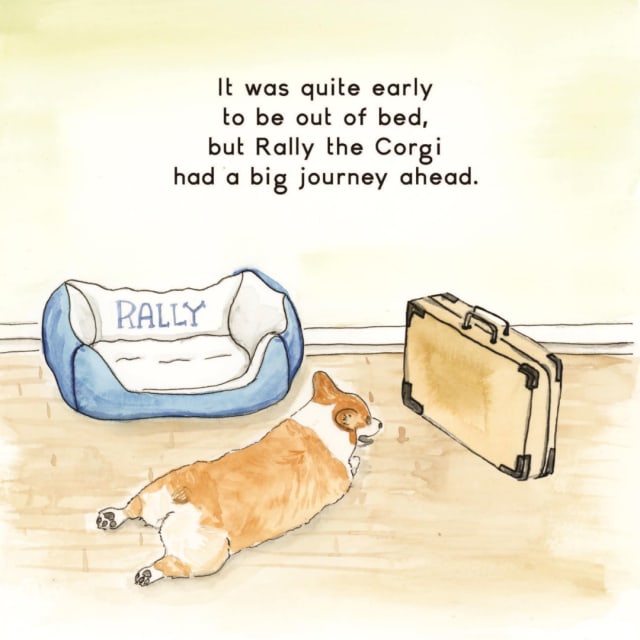
Train Story Sequencing: Beginning, Middle and End
A free, 35-minute kindergarten lesson where children retell Rally Takes the Train in order.
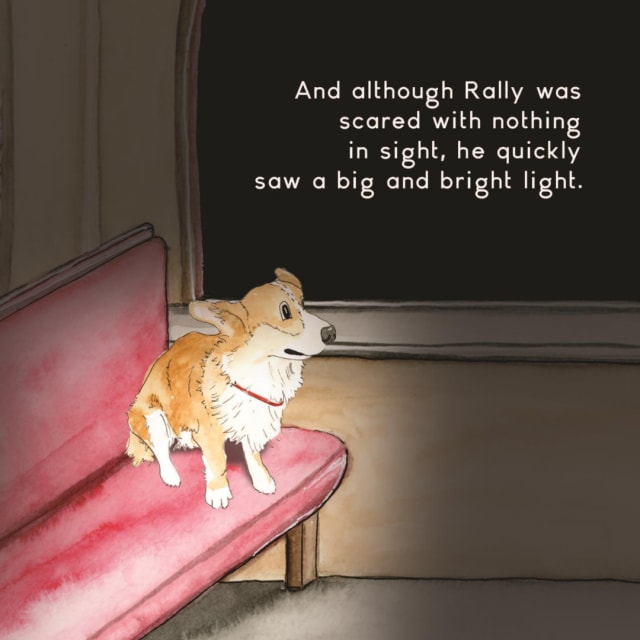
Brave Like Rally: Naming Feelings
A free, 30-minute preschool and Pre-K social emotional lesson.
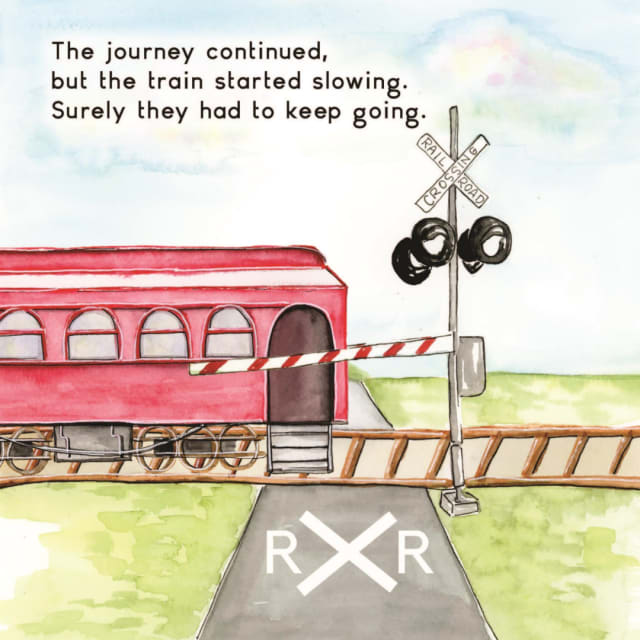
Map Rally's Journey: Position Words
A free, 40-minute kindergarten lesson on position words and simple maps.
Teaching with Rally Takes the Train
Every lesson is free for classroom and homeschool use. Add the paperback to your classroom library, or review a lesson to earn a free copy if you are a credentialed teacher. Keep the journey going in about 650 free train museum guides, plan a visit with the field trip planner, or browse all lessons for educators.