
Brave Like Rally: A Feelings and Courage Lesson for Preschool and Pre‑K
A free, 30-minute preschool and Pre-K social emotional lesson. Children name excited, scared and happy from Rally's faces in Rally Takes the Train, practice three calming tools (a big breath, holding a hand, looking for the light), then walk through a play tunnel with a flashlight saying "I can be brave." Includes printables and a family note.
- Grade
- Preschool & Pre-K
- Subjects
- Social and emotional learning, Oral language
- Time
- 30 minutes (about 15 minutes of whole group with a standing feelings game, then small-group tunnel turns)
- Prep
- 10 minutes: drape a blanket over two sturdy chairs or open both ends of a large box to make a short tunnel, test a flashlight, and print the feelings faces and brave badges
- Grouping
- Whole group, then small groups of 4 to 6 taking turns
- Book pages
- 5, 11, 12, 13, 15
- Head Start ELOF: Social and Emotional Development: Emotional Functioning
- Head Start ELOF: Language and Communication: Expressive Language
 Need the book? Get the paperback on Amazon (opens in a new tab) or earn a free classroom copy.
Learning objective
Children name three feelings (excited, scared, happy) from a character's face and body, and use words to tell one calming tool they can use when they feel scared.
I can name how Rally feels and tell one thing that helps me feel brave.
Vocabulary to teach
Materials
- Rally Takes the Train by Kelsey Lizee Cecil: get the paperback on Amazon (opens in a new tab) or earn a free classroom copy
- Feelings faces cards (printable): three large cards with crops of Rally's face from the book (excited, page 5; scared, page 12; happy, page 15), each with the feeling word, plus a small set of the same three faces for each child
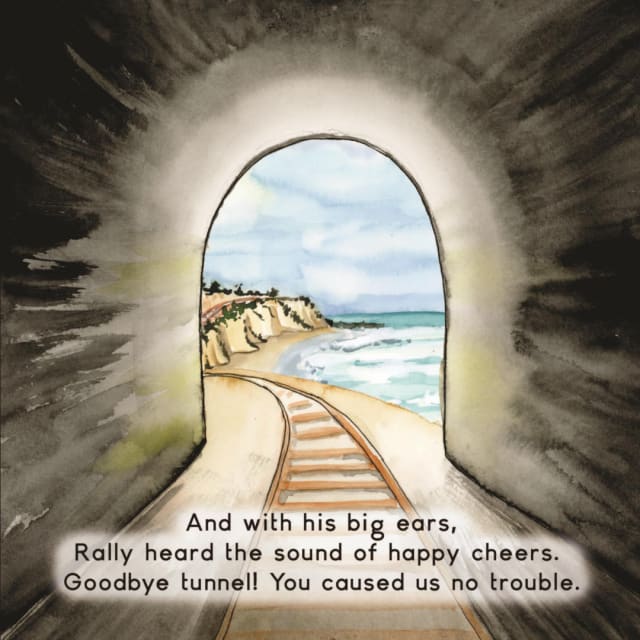
- Brave badge, one per child (printable): a round badge showing the bright view out of the tunnel (page 13 art), the words "I can be brave," and three small icons for the calming tools (a breath cloud, two holding hands, a light)
- A short play tunnel: a blanket draped over two sturdy chairs, a large box open at both ends, or a pop-up play tunnel
- One or two battery flashlights with screw-closed battery covers
- Masking tape to stick on badges (no pins and no string around the neck)
- Screen or printout of the Twin City Model Railroad Museum guide (see Discover)
Lesson steps
"Today we are going to look closely at Rally's face to see how he feels. Feelings are not good or bad. Everybody has them. Rally feels a little scared in our story, and he is safe with his family the whole time. Let's be feelings detectives."
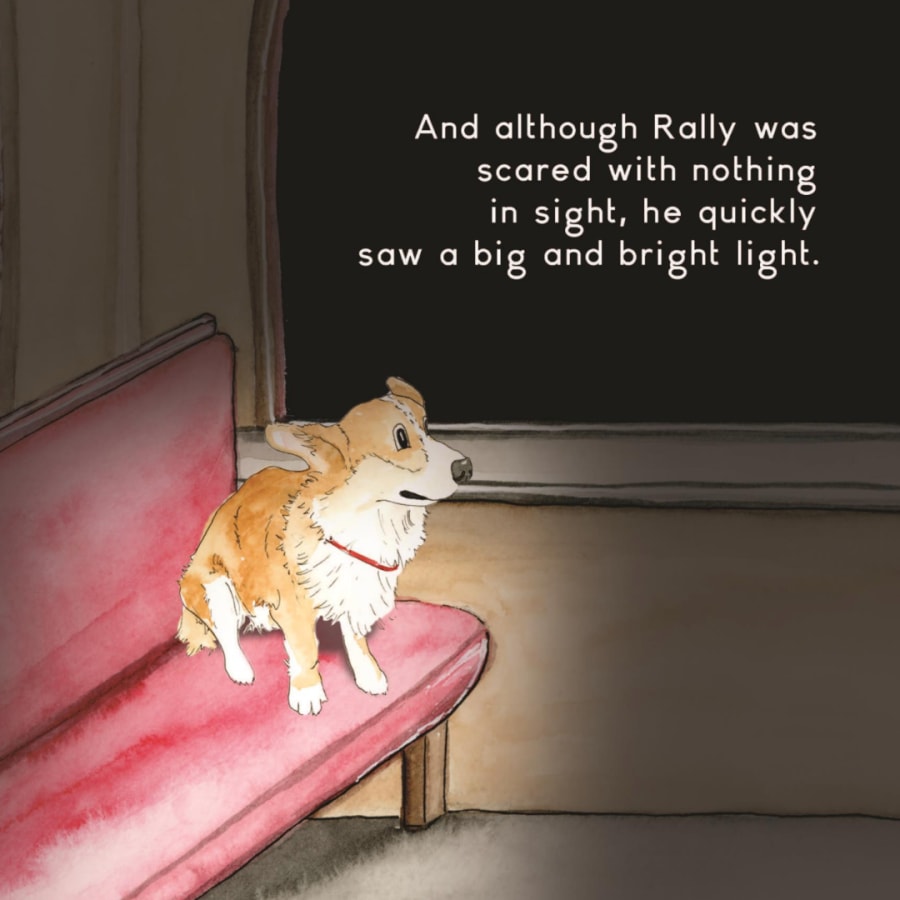
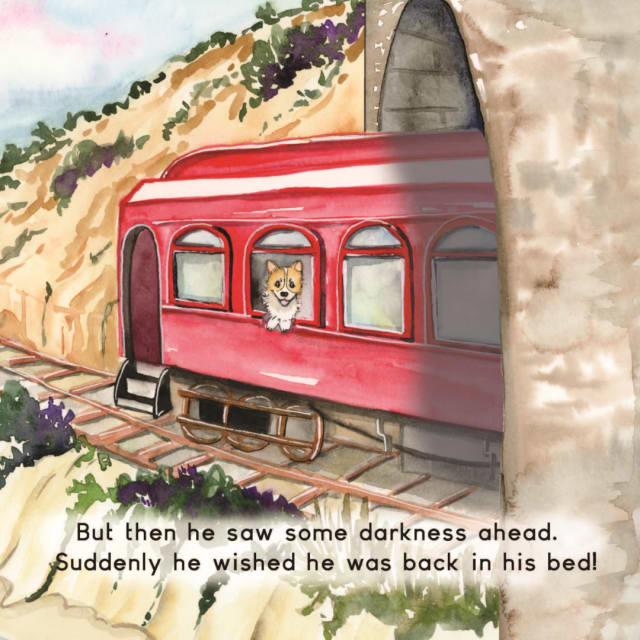
"Rally sees darkness ahead. This is a tunnel. A tunnel is a path that goes through a hill. Rally wishes he was back in his bed. How do you think he feels right now?"
Teach the word directly: "Rally feels scared. Scared is the feeling when something seems new or unsafe. Look at his eyes and ears. Show me a scared face." Then point to the light. "What does Rally see? A big, bright light!"
"Rally came out of the tunnel. He heard happy cheers. He was scared, and he kept going. That is called being brave. Brave means doing something even when you feel a little scared."
- Children stand. Hold up the three big feelings cards one at a time (excited, page 5; scared, page 12; happy, page 15). Name each feeling and have children copy the face and say the word with you.
- Play "Show Me": say a feeling word and children make the face and body. Then point to a card and ask, "How does Rally feel? How do you know?" Give the frame "Rally feels ___ because his ___."
- Ask, "When did you feel excited? When did you feel happy?" Take two or three answers. Anyone can show a face instead of talking. Children sit for Discover.
- Open the Twin City Model Railroad Museum guide, or find a verified museum near your school in the field trip planner (rallytakesthetrain.com/lessons/train-museum-field-trips). Read two or three sentences aloud yourself, since the guides are written for adults, and show the photos of the model trains.
- "A new place can feel big at first, with lots of trains and lots of people. At this museum, helpers called volunteers built the little trains, and kids can press a button to make the trains go. Small steps like that help a new place feel friendly."
- "What would you tell a friend who feels scared in a new place, or in a dark tunnel, just like Rally's train?" Take answers, then teach three calming tools and do each together: take a big breath (smell the flower, blow out the candle), hold a hand (or give yourself a hug), and look for the light.
Or find a verified museum near your school in the field trip planner.
- Set up the tunnel and show the flashlight. "This is our train tunnel. When you go through, you can use a calming tool and say, 'I can be brave.'" Model it first: take a big breath, crawl through, and shine the light on the floor at the end.
- One child goes through at a time while you stay beside the tunnel. Before going in, each child names one calming tool they will use. 3-year-olds can hold the flashlight while a friend or adult waits at the end; 4-year-olds and TK say "I can be brave" and tell which tool they used when they come out.
- Give each child a brave badge. Ask, "How did you feel before the tunnel? How do you feel now?" Children point to a feelings card and name it. A child who chooses to watch, or to hold the flashlight at the opening, still earns a badge for trying a calming tool.
Safety: Tunnel: keep it short, low and open at both ends, use sturdy chairs that cannot tip, and never close off an end. One child goes in at a time, and an adult stays beside the tunnel for every turn. Flashlights: battery flashlights only (no candles), with the battery cover screwed shut; keep spare batteries, especially button batteries, out of reach. Remind children not to shine the light into anyone's eyes. Badges go on with tape, not pins or string. Going through the tunnel is always a choice.
Differentiation
Extra support
Let a hesitant child watch first, peek in, or go through holding your hand. For a child who is sensitive to the dark or to small spaces, fold the blanket back so the tunnel stays light. Show the three calming tools as pictures on the badge, and offer two choices instead of an open question: "Is Rally scared or happy?"
Multilingual learners
Pair each feeling word with its face card and a gesture, and teach excited, scared, happy and brave in English and the home language. Accept pointing or face-making as a full answer, and model the frame "I feel ___." Key language use: Explain.
Extension
Children act as the "tunnel helper" for a friend, choosing a calming tool to suggest. Or invite 4-year-olds and TK to name another feeling Rally might have, like proud at the end of the trip or surprised when the kids pet him, and show it with their face.
Check for understanding
Success criterion: Names feelings from a character's face and body, and tells one calming tool to use when scared.
| Level | What you see |
|---|---|
| 3Meets (level 3) | Names excited, scared and happy from Rally's faces, tells why using a face or body clue, and names a calming tool in their own words. |
| 2Approaching (level 2) | Names two of the three feelings, or names a calming tool after a prompt or a choice of two. |
| 1Beginning (level 1) | Points to or makes the matching face when the teacher says the feeling word, and copies a calming tool with the group. |
Family connection
Send home the half-page note in the printables. The text is below so you can paste it into a newsletter or app.
English
Today your child read the picture book Rally Takes the Train and named Rally's feelings: excited, scared and happy. When Rally's train went into a dark tunnel, he felt scared, and then he saw the light. We practiced three ways to feel calm: take a big breath, hold a hand, and look for the light. Try this at home in 5 minutes: make feeling faces together and practice one big breath. Free Rally coloring pages are at rallytakesthetrain.com/coloring-pages.
Español
Hoy su hijo o hija leyó el libro Rally Takes the Train y nombró los sentimientos de Rally: emocionado, asustado y feliz. Cuando el tren de Rally entró en un túnel oscuro, él sintió miedo, y luego vio la luz. Practicamos tres maneras de calmarnos: respirar profundo, tomar la mano de alguien y buscar la luz. Pruébelo en casa en 5 minutos: hagan caras de sentimientos juntos y practiquen una respiración profunda. Hay páginas para colorear gratis de Rally en rallytakesthetrain.com/coloring-pages.
Teacher tips
- Some children may share real fears, like the dark, storms or loud noises. Respond calmly ("Thank you for telling me. That sounds scary."), keep the moment brief, and follow your program's support process if a child shares something that worries you.
- Going through the tunnel is always a choice. Watching, holding the flashlight or waiting at the end are all brave steps, and children often choose to go through on a later turn.
- Practice the big breath many times during the day, not only when someone is upset. Calming tools work best once they are familiar.
Standards alignment
| Standard | Text |
|---|---|
| Head Start ELOF: Social and Emotional Development: Emotional Functioning (opens in a new tab) | Preschool (36 to 60 months) sub-domain of the Head Start Early Learning Outcomes Framework. |
| Head Start ELOF: Language and Communication: Expressive Language (opens in a new tab) | Preschool (36 to 60 months) sub-domain of the Head Start Early Learning Outcomes Framework. |
Check codes against your state's version of these standards. How we build and review lessons.
Keep exploring
Look at the pictures in a museum guide together. How might you feel the first time you climb aboard a real train? What is one brave step you could take?
After the lesson, children can explore about 650 train and railway museums through our free guides, discovering the history, engineering and stories behind real trains. Read one together, then come back to the question.
Teach it with the real book
4.9 stars on Amazon
Rally Takes the Train is a rhyming, hand-painted picture book about a corgi's first train ride, from the big station stairs to a dark tunnel to the people waiting at the end of the line. Children ask for it again and again, and every lesson here is built on its pages.
Questions teachers ask
How do you teach feelings to preschoolers?
Name feelings directly and connect each word to a face and body clue. A picture book works well because children can study a character's face without being put on the spot. Start with three clear feelings, have children copy the face and say the word, then ask "How do you know?" so they explain the clue.
What are simple calming strategies for preschoolers?
Teach a few short, physical tools: a big breath (smell the flower, blow out the candle), holding a trusted hand or giving yourself a hug, and looking for something comforting, like a light. Practice them often during calm moments, not only during upsets. Children use a strategy more easily when they have already done it many times.
What ELOF standard covers naming feelings?
Recognizing and naming emotions and using strategies to manage them falls under Head Start ELOF Social and Emotional Development: Emotional Functioning. Using words to describe feelings and tell what helps supports Language and Communication: Expressive Language. This lesson lists both so you can copy them into your plans.
What if a child is too scared to go through the tunnel?
Let them choose another role. They can watch first, peek in from the end, hold the flashlight at the opening, or go through holding your hand. Every choice uses a calming tool, so every child earns a brave badge. Many children decide to try the tunnel after watching a few friends.
How do you teach preschoolers to be brave?
Define brave in words children can use: doing something even when you feel a little scared. Then offer a small, safe brave step to try, with a calming tool and a choice. In Brave Like Rally, children hear how Rally felt scared in a dark tunnel and kept going, then walk through a short play tunnel with a flashlight saying "I can be brave."
What is a good social emotional activity for Pre-K?
A good SEL activity is short, uses a story character, and ends with something children do with their bodies. In this lesson children name excited, scared and happy from Rally's faces, play a "Show Me" feelings game, practice three calming tools and take turns in a blanket tunnel. It takes about 30 minutes and supports Head Start ELOF Social and Emotional Development: Emotional Functioning.
What feelings words should preschoolers learn first?
Start with a few feelings that are easy to see on a face, then add more. This lesson teaches excited, scared and happy, using crops of Rally's face from pages 5, 12 and 15 of Rally Takes the Train, plus the word brave. Children copy each face and say the word. Once those are steady, 4s and TK can add new feelings such as proud or surprised.
How do you teach preschoolers to take deep breaths?
Give the breath a picture children can remember: "smell the flower, blow out the candle." Breathe in slowly, then out slowly, and do it together several times. Practice during calm moments throughout the day, not only when someone is upset, so the tool feels familiar. In this lesson the big breath is one of three calming tools pictured on each child's brave badge.
How should I respond when a preschooler shares a real fear?
Stay calm, thank the child and keep the moment brief: "Thank you for telling me. That sounds scary." Then return to a calming tool the class has practiced. Some children share real fears, like the dark, storms or loud noises, during a feelings lesson. If a child shares something that worries you, follow your program's support process.
How do you use picture books for social emotional learning in preschool?
Stop on pages where a character's face clearly shows a feeling and ask "How does he feel? How do you know?" Studying a character lets children talk about feelings without being put on the spot. In Rally Takes the Train, Rally is excited on page 5, scared in the dark tunnel on pages 11 and 12, and happy on page 15. Offer the frame "Rally feels ___ because his ___."
How do you make a play tunnel for a preschool classroom?
Drape a blanket over two sturdy chairs, open both ends of a large box, or use a pop-up play tunnel. Keep it short, low and open at both ends, send one child at a time, and stay beside it for every turn. Use battery flashlights with screwed-shut battery covers, never candles, and stick badges on with tape, not pins or string. Setup takes about 10 minutes.
What is on the feelings faces and brave badge printables?
The feelings faces printable has three large cards with crops of Rally's face, excited (page 5), scared (page 12) and happy (page 15), each with the word, plus a small set for each child. The brave badge shows the bright view out of the tunnel from page 13, the words "I can be brave," and icons for the three calming tools. Both come in color, ink-saver and A4.
How long is the Brave Like Rally feelings lesson?
About 30 minutes. The read-aloud takes 6 minutes, the standing feelings game 4 minutes, and the museum connection and calming tools 5 minutes, so whole-group time stays near 15 minutes. Tunnel turns in small groups of 4 to 6 take about 15 minutes. If time is short, teach the feelings and calming tools one day and run the tunnel during center time the next.
How do I support multilingual learners in a feelings lesson?
Pair each feeling word with its face card and a gesture, and teach excited, scared, happy and brave in English and the home language. Accept pointing or making the face as a full answer, and model the frame "I feel ___." Children can answer in either language. The WIDA key language use for this lesson is Explain.
How do I extend the feelings lesson for 4-year-olds and TK?
Make 4-year-olds and TK "tunnel helpers" who choose a calming tool to suggest to a friend before their turn. They can also name another feeling Rally might have, such as proud at the end of the trip or surprised when the kids pet him, and show it with their face. After the tunnel, ask which tool they used and how they felt before and after.
How do I assess naming feelings in preschool?
Use the 3-level check during tunnel turns. Meets: names excited, scared and happy from Rally's faces, gives a face clue, and names a calming tool in their own words. Approaching: names two of the three feelings, or names a calming tool after a prompt or a choice of two. Beginning: points to or makes the matching face and copies a calming tool with the group.
Is there a family note in Spanish for the feelings lesson?
Yes. The family note comes in English and Spanish. It tells families that their child named Rally's feelings, excited, scared and happy, and practiced three ways to feel calm: take a big breath, hold a hand, and look for the light. The 5-minute home idea is to make feeling faces together and practice one big breath. Both versions are on the page to paste into a newsletter.
Is Rally Takes the Train a good book about being scared?
Yes, it shows fear and courage in a simple, gentle way. On pages 11 and 12, Rally's train goes into a dark tunnel and he wishes he was back in his bed. Then he sees a big, bright light, hears happy cheers, and the text says goodbye to the tunnel. Children see that a scary moment can pass, which makes it a good start for talking about being brave.
What can children explore after the Brave Like Rally lesson?
In Discover, children hear about the Twin City Model Railroad Museum, a verified museum its guide calls "one of the easiest train outings for very young kids," with toddler-sized train tables and buttons that make trains run. They talk about how a new place can feel big at first. The Keep exploring section at the end of the lesson links to about 650 free train museum guides at rallytakesthetrain.com/train-museums, and looking at photos together can help a new place feel familiar.
Can Head Start teachers get a free copy of Rally Takes the Train?
Yes, if they meet the requirements. Credentialed Pre-K to 5th grade teachers in the US can get a free paperback classroom copy by reviewing one lesson plan, and they apply at rallytakesthetrain.com/free-book-for-teachers. Early childhood teachers qualify with a CDA credential, a state early childhood teaching permit or an ECE degree, plus at least 2 years of classroom teaching and a current Preschool to 5th grade role at a Head Start, US school or licensed program.
Related lessons
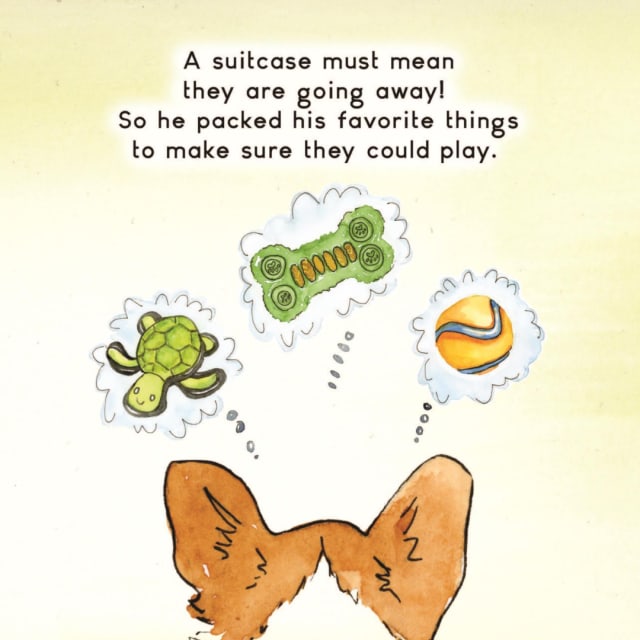
Pack Rally's Suitcase: Sorting and Counting to 5
A free, 30-minute preschool and Pre-K math lesson where children help Rally the Corgi pack.
Choo-Choo Chant: Rhyme and Syllable Clapping
A free, 30-minute preschool and Pre-K phonological awareness lesson.
Rally's Feelings: Fear and Courage
A free, 35-minute kindergarten SEL lesson about fear and courage.
Teaching with Rally Takes the Train
Every lesson is free for classroom and homeschool use. Add the paperback to your classroom library, or review a lesson to earn a free copy if you are a credentialed teacher. Keep the journey going in about 650 free train museum guides, plan a visit with the field trip planner, or browse all lessons for educators.