
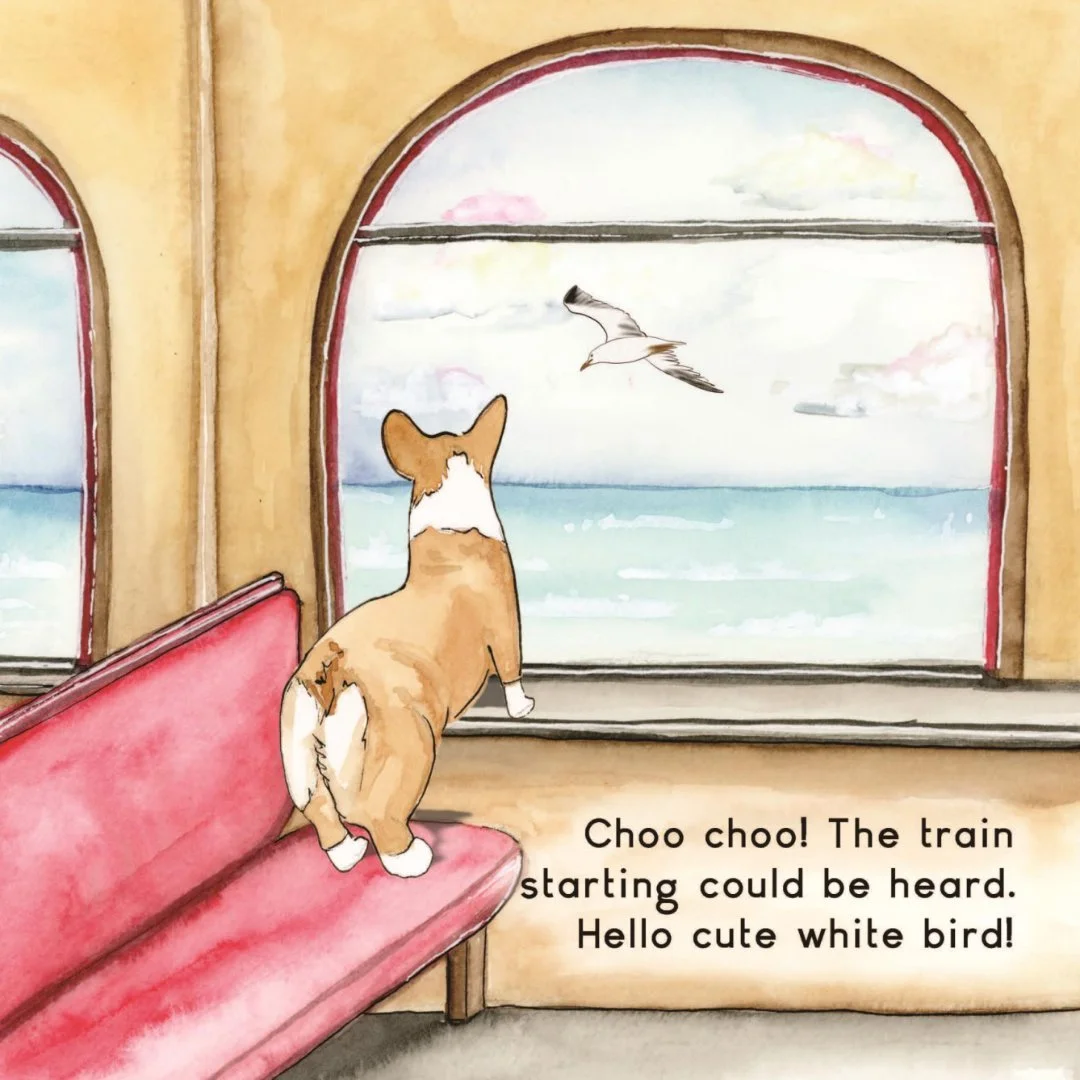
Map the Route: Map Keys, Compass Roses and a Train Along the Water
Over two 45-minute sessions, children hear Rally Takes the Train read aloud and map its real coastal route with a key and compass rose. On Day 2 they read a North Shore Scenic Railroad guide passage and photo captions, put a lakeside route in order and write a claim about how railroads connect places.
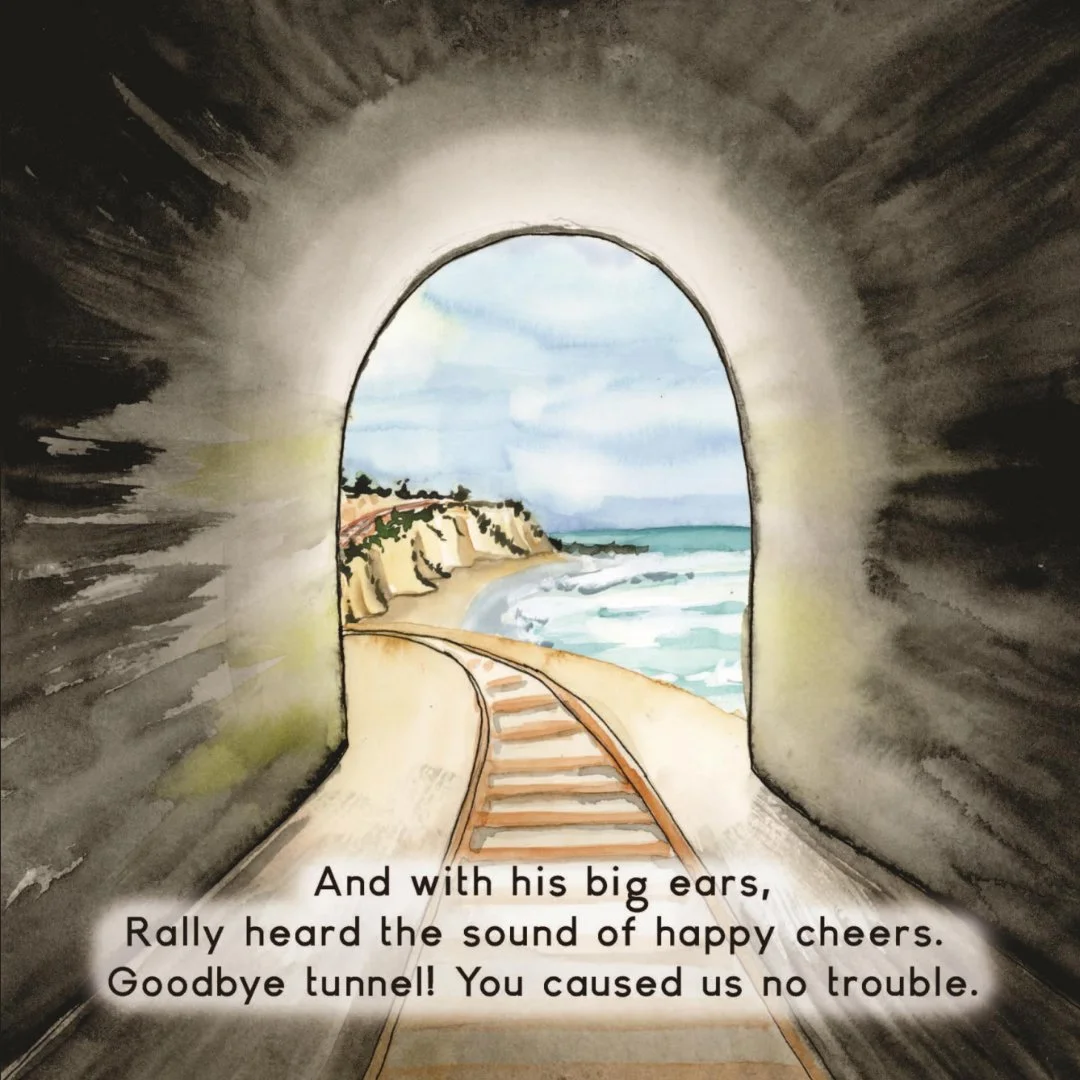
Build a Trestle: Design, Test and Compare Two Train Bridges
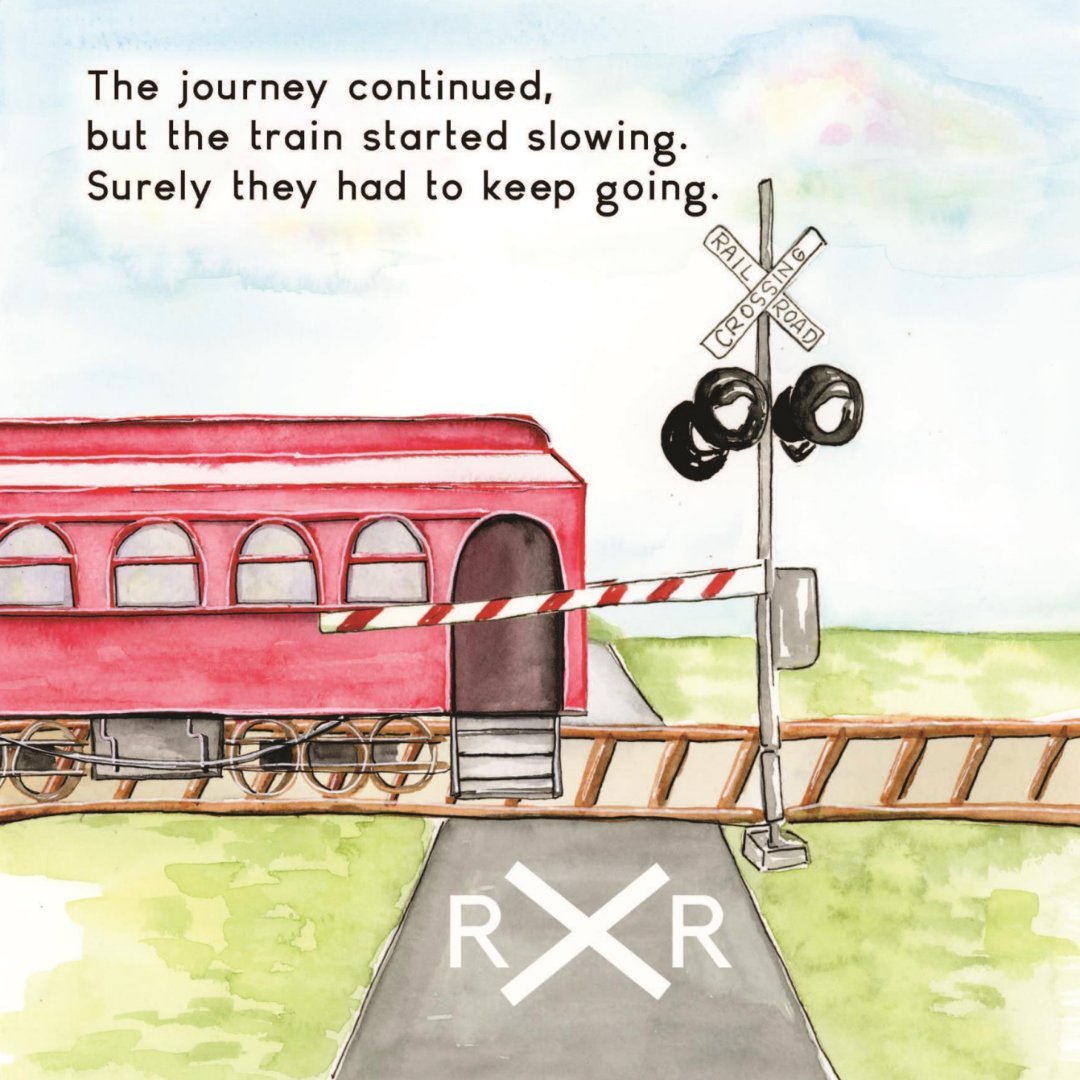
An engineering design challenge over two 45-minute sessions. Children look again at two book pages where the railroad meets cliffs and water, define a bridge problem, try the materials, sketch and build two paper trestle designs, then test both fairly with pennies, improve the weaker one and compare results with data.
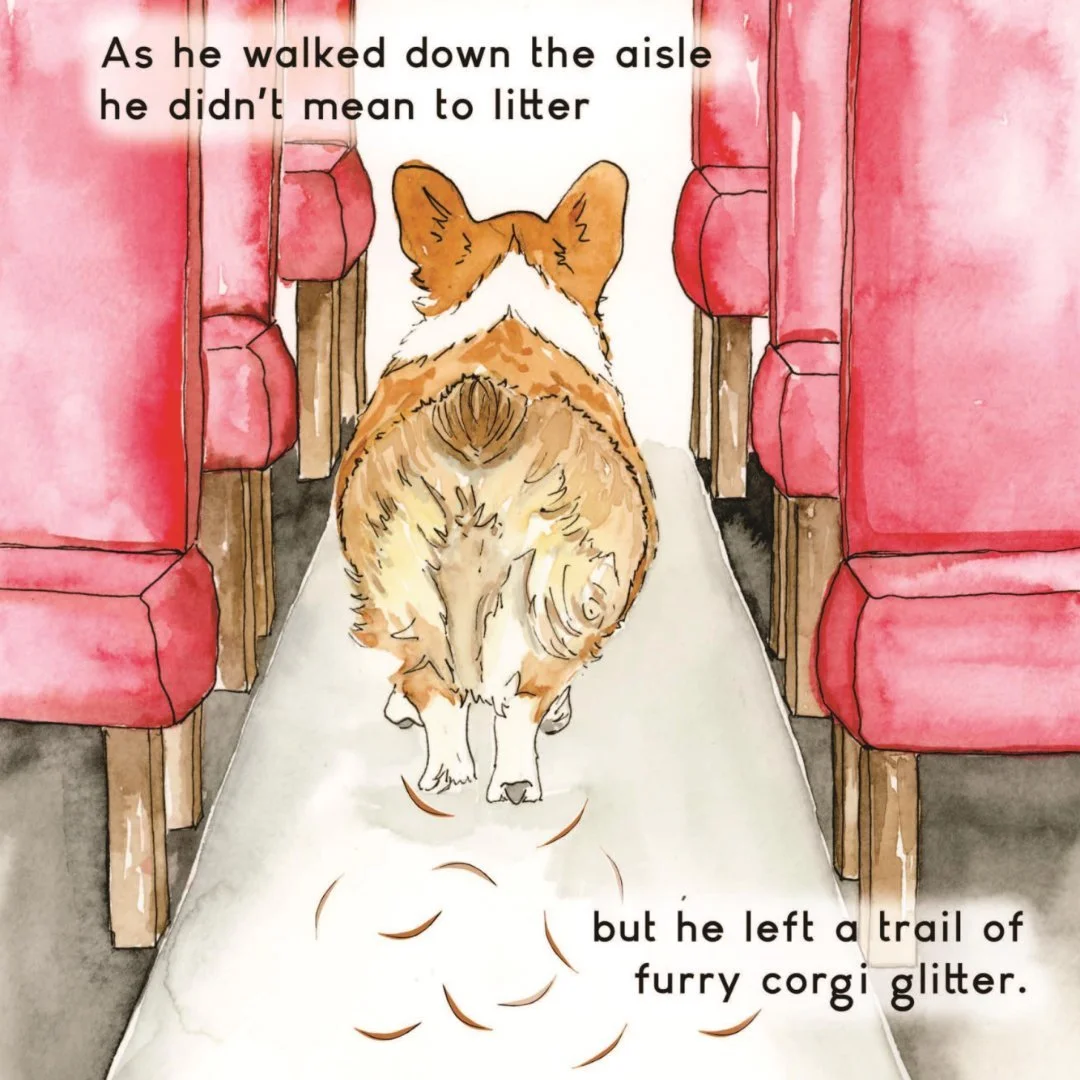
How Long Is a Train? Measure and Compare Lengths in Inches and Feet
A 55-minute problem-based math lesson. Children estimate the whiteboard's length, then choose rulers, yardsticks or measuring tapes to measure classroom objects in inches and feet. Partners measure paper train cars and find how much longer one is than the other, share strategies, and finish with a short cool-down.
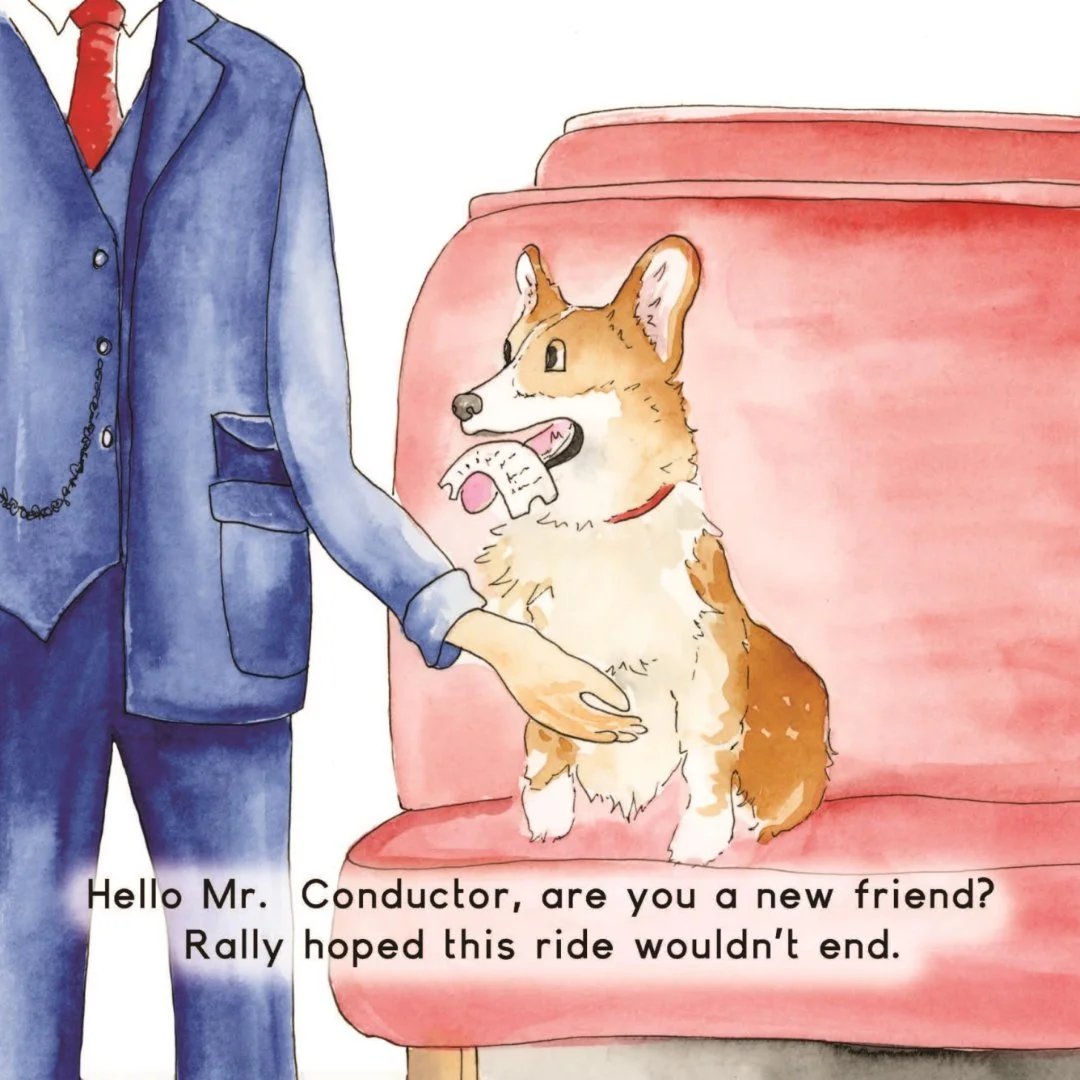
Tickets, Please! Solve Money Problems with Bills and Coins
A 55-minute problem-based math lesson. After a coin number talk, partners use play money to pay the real ticket prices listed in the Great Plains Transportation Museum guide two different ways, then run a pretend ticket booth, adding two prices and trading four quarters for a dollar. A one-problem cool-down checks each child.
Steam Train or Streetcar? Opinion Writing with Reasons and a Conclusion
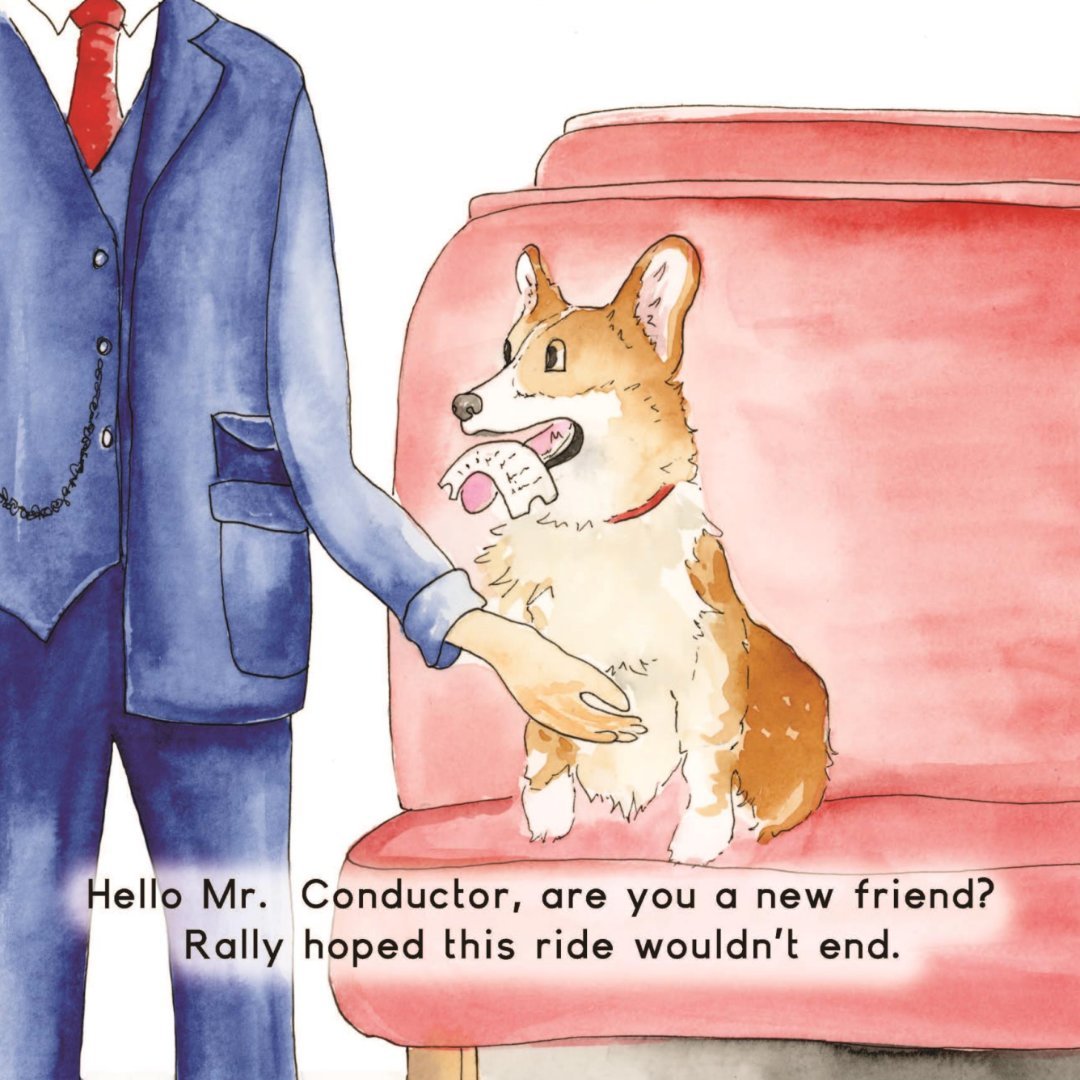
A three-day writing workshop. Children study a short mentor paragraph and three pages of Rally Takes the Train, gather facts about a steam engine and streetcars from the Southern California Railway Museum guide, debate with a classmate, then plan, draft and revise an opinion piece with two reasons, linking words and a conclusion.
Reading a Real Museum Guide: Text Features That Find Facts Fast
Over two short sessions, children closely read one page adapted from the Steamtown National Historic Site guide about Big Boy No. 4012. Three reads answer what it says, how its heading, caption, fact box and glossary are built, and why it matters, then children use the full guide's features to find facts fast.