
Measuring Length Lesson for 2nd Grade: How Long Is a Train?
A 55-minute problem-based math lesson. Children estimate the whiteboard's length, then choose rulers, yardsticks or measuring tapes to measure classroom objects in inches and feet. Partners measure paper train cars and find how much longer one is than the other, share strategies, and finish with a short cool-down.
- Grade
- 2nd Grade
- Subjects
- Mathematics, Measurement and data
- Time
- 55 minutes (one math block)
- Structure
- Problem-based math lesson
- Prep
- 20 minutes: cut paper strips about 2 inches wide to whole-inch lengths from 4 to 11 inches (one per child, a mix of lengths), gather an inch ruler for each child plus a yardstick and a measuring tape for each group of four, copy the Measuring Log and How Much Longer? (one per child), and stick masking tape at both ends of the whiteboard
- Grouping
- Whole class for the warm-up and syntheses, groups of four for measuring, partners for comparing, individual cool-down
- Book
- Not used in this lesson
- CCSS 2.MD.A.1
- CCSS 2.MD.A.4
- CCSS 2.MD.A.3
 Need the book? Get the paperback on Amazon (opens in a new tab) or earn a free classroom copy.
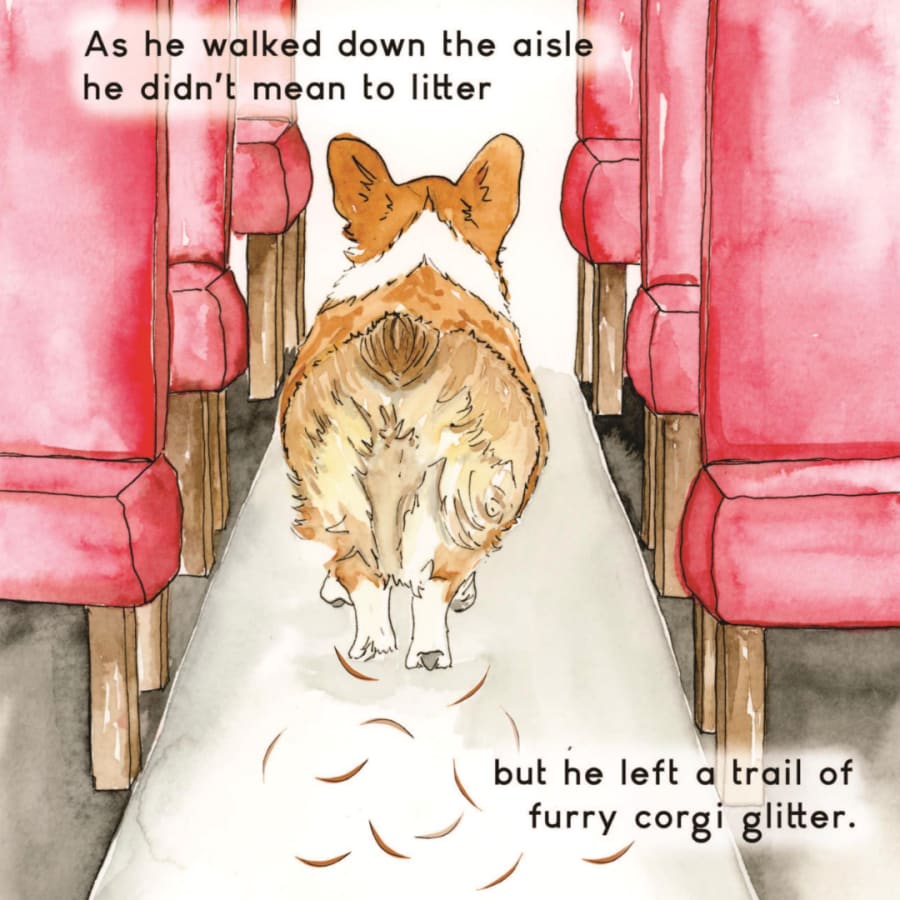
Day 9 of the 2nd Grade train unit
Builds on: Day 8 (2C), the unit's first math lesson, where children solved problems with ticket prices from a museum guide.
Leads to: Days 10-11 (2E): children use rulers to measure the gap their trestle bridge must cross.
Learning objective
Students estimate lengths in inches and feet, choose and correctly use a ruler, yardstick or measuring tape to measure classroom objects, and find how much longer one paper train car is than another, writing the difference with the unit.
I can choose the right tool, measure in inches and feet, and tell how much longer one thing is than another.
Vocabulary to teach
Materials
- Inch rulers (one per child), yardsticks and measuring tapes (one of each per group of four), masking tape
- Paper train cars: strips about 2 inches wide, pre-cut to whole-inch lengths from 4 to 11 inches
- Measuring Log printable, one per child
- How Much Longer? printable, one per child
- Optional: the Twin City Model Railroad Museum guide at https://www.rallytakesthetrain.com/museums/twin-city-model-railroad-museum-st-paul-minnesota for the hallway follow-up
Before you teach
- Pre-cut the train cars to whole inches. Lengths that land between marks turn a comparing lesson into a rounding lesson.
- Group children in fours so each group shares one yardstick and one tape. Decide where each group measures the door, whiteboard and rug so groups are not all at the door at once.
- Measure the whiteboard yourself before class so you can reveal the warm-up answer in seconds.
- In Activity 2, look for one pair that lines both cars up on one ruler and one pair that counts up from the shorter length. Share in that order.
Lesson plan
Problem-based math lesson. Children learn to choose a tool and line it up at 0 by measuring real things and comparing results, not by watching. Each activity starts with a short launch, gives partners time to measure, and ends with a synthesis built from the strategies they used.
The book: Not used. The paper train cars and classroom objects are what children measure.
- Point to the tape marks at each end of the whiteboard. Ask children for an estimate that is too low, one that is too high, and one that is just right, in feet. Record all three kinds on the board.
- Ask whether inches or feet make more sense for something this long, and why.
- Measure it with a yardstick while children count the feet aloud. Circle the estimates that were closest.
- Launch (4 minutes): hold up a ruler (12 inches, which is 1 foot), a yardstick (3 feet) and a measuring tape (long and bendable). Teach length, inch, foot, yardstick and estimate as you show them. Ask partners which tool they would use for a crayon box and which for the rug.
- Work time (12 minutes): groups measure the objects on the Measuring Log. For each one, children write an estimate first, choose a tool, measure and write the unit. Each child measures their own shoe and a book; the group shares the door, a table and the rug.
- Synthesis (4 minutes): ask two groups for their door measurement. If they differ, have both show how they measured. Draw out starting at 0 and why a yardstick beats a ruler moved over and over.
Look for: Children lining objects up with the end of the ruler instead of the 0 mark, or leaving gaps when they move a ruler along. Ask, where did you start?
- Launch (2 minutes): give each child a paper train car. Children measure their own car to the nearest inch and write it on the back.
- Work time (11 minutes): partners lay their cars side by side and work out how much longer one is than the other, then solve problems 1 to 3 on How Much Longer?
- Synthesis (4 minutes): ask the pair that lined both cars up on one ruler to show how they counted the extra inches, then the pair that counted up from the shorter length (7 to 10 is 3). Write both on the board with the unit: 3 inches longer.
- Hold up two cars and say the blue car is 3 longer. Ask what is missing (the unit) and why it matters.
- Ask children to finish the sentence on a whiteboard or in the air: Small things, I use a ___. Big things, I use a ___.
- Children answer problems 4 and 5 on How Much Longer? on their own: a 9-inch car compared with a 5-inch car (4 inches longer) and which tool to use for the hallway.
- Collect the sheets and the rulers. Sort sheets into answer with unit, answer without unit, and incorrect, for tomorrow's small group.
Short on time? Skip the whiteboard warm-up and open with the tool launch, have groups measure four objects (shoe, book, door and rug), and fold the lesson synthesis into the Activity 2 synthesis. Keep the paper car comparison and the cool-down, which together carry 2.MD.A.4.
Finished early? Partners tape their two cars end to end, estimate the total length, measure it, and compare it with a third car.
Optional museum extension: For a follow-up in a hallway or on the playground, read that the museum's toy train layout is 30 by 16 feet, then measure out both sides with measuring tapes and find how much longer the long side is (14 feet). Open the Twin City Model Railroad Museum guide.
What to listen for
| If children say or do this | Try this |
|---|---|
| Lines the object up with the end of the ruler, or starts counting at 1. | Put a finger on the 0 mark and slide the object to it. Ask every child, where did you start? until it becomes a habit. |
| "The blue car is 9 inches longer." (It is 9 inches long; the red car is 5.) | Lay both cars on one ruler from 0 and ask the child to touch only the part of the blue car that sticks out past the red one. Count that part. |
| Measures the door with a ruler, moving it with gaps and overlaps. | Hand the group a yardstick and ask them to measure again. Compare the two results and talk about why one long tool is more accurate here. |
Safety: Measuring tapes snap back quickly, so show children how to let the tape roll in slowly, and keep walkways clear while groups measure the door and rug.
Differentiation
Extra support
Give children a ruler with a bold line at 0, and give them cars that end on a whole inch. For comparing, have partners line both cars up at 0 on one ruler so they can count the extra inches directly.
Multilingual learners
Teach longer, shorter and how much longer with two cars and a gesture (hands apart for longer). Post frames: The ___ is ___ inches long. The ___ is ___ inches longer than the ___. Key language use: Explain.
Extension
Children measure the same object in inches and in feet and explain why the number of inches is bigger, or figure out how many 10-inch cars would fit along a 10-foot hallway.
Check for understanding
Success criterion: Estimates a length, selects an appropriate tool, measures accurately from 0 to the nearest inch or foot, and states how much longer one object is than another with the correct unit.
| Level | What you see |
|---|---|
| 3Meets (level 3) | Makes reasonable estimates, chooses a sensible tool for small and large objects, measures accurately from 0, and writes differences with units (for example, 4 inches longer). |
| 2Approaching (level 2) | Measures accurately with a ruler but chooses a ruler for large objects, or finds the difference but leaves off the unit. |
| 1Beginning (level 1) | Starts measuring from the edge of the ruler or from 1, or compares by looking instead of measuring. |
Family connection
Send home the half-page note in the printables. The text is below so you can paste it into a newsletter or app.
English
Is your bed longer than 6 feet? Your child can find out. In math we estimated first, then picked a ruler, yardstick or measuring tape and measured classroom objects in inches and feet. Partners measured paper train cars and found how much longer one car was than another, always saying the unit. At home, take 5 minutes to estimate the length of a spoon, a shoe and a bed, then measure them with a ruler or tape measure. Free train museum guides are at rallytakesthetrain.com/train-museums.
Español
¿Su cama mide más de 6 pies? Su hijo o hija lo puede averiguar. En matemáticas primero estimamos y luego elegimos una regla, una vara de medir o una cinta métrica para medir objetos del salón en pulgadas y pies. En parejas, midieron vagones de tren de papel y encontraron cuánto más largo era uno que otro, siempre diciendo la unidad. En casa, dediquen 5 minutos a estimar cuánto miden una cuchara, un zapato y una cama, y luego mídanlos con una regla o cinta métrica. Hay guías gratuitas de museos de trenes en rallytakesthetrain.com/train-museums.
Teacher tips
- Keep the cars. The next day, tape every car end to end on the floor to make a class train and measure it in feet with a tape; it is a ready-made warm-up.
- If you have a long hallway, the optional Twin City follow-up makes big numbers physical. Children cannot picture 30 feet until they walk it.
Standards alignment
| Standard | Text |
|---|---|
| CCSS 2.MD.A.1 (opens in a new tab) | Measure the length of an object by selecting and using appropriate tools such as rulers, yardsticks, meter sticks, and measuring tapes. |
| CCSS 2.MD.A.4 (opens in a new tab) | Measure to determine how much longer one object is than another, expressing the length difference in terms of a standard length unit. |
| CCSS 2.MD.A.3 (opens in a new tab) | Estimate lengths using units of inches, feet, centimeters, and meters. |
Check codes against your state's version of these standards. How we build and review lessons.
Teach it with the real book
4.9 stars on Amazon
Rally Takes the Train is a rhyming, hand-painted picture book about a corgi's first train ride, from the big station stairs to a dark tunnel to the people waiting at the end of the line. Children ask for it again and again, and every unit here opens with it.
Questions teachers ask
Why do children estimate the whiteboard before anything else?
It is an 8-minute warm-up that makes them think in feet before they touch a tool. Children give an estimate that is too low, one too high and one just right, then you measure it with a yardstick while they count the feet. It also raises the question of whether inches or feet make sense for something that long.
Why are the paper cars cut to whole inches?
The standard here is comparing, not rounding. If a car ends between marks, children argue about 7 and a half and the difference gets lost. Cut strips about 2 inches wide to whole-inch lengths from 4 to 11, mix the lengths across the room, and every pair will have a difference they can count.
How should groups share the door, a table and the rug?
Groups of four share one yardstick and one measuring tape. Each child measures their own shoe and a book, and the group measures the door, a table and the rug together. Decide in advance where each group starts so they are not all at the door at once, and keep walkways clear while tapes are out.
Which two strategies for how much longer should I share?
Look for one pair that lines both cars up at 0 on one ruler and counts the part that sticks out, and one pair that counts up from the shorter length, 7 to 10 is 3. Share them in that order, then write both on the board with the unit: 3 inches longer. That way the strategies come from children, not from you.
A child says the blue car is 9 inches longer. What is going on?
The child is giving the length of the blue car, not the difference. Lay both cars on one ruler from 0 and ask the child to touch only the part of the blue car that sticks out past the red one. Count that part together. Then ask how long the blue car is, so the child hears the two questions side by side.
What does the cool-down check?
Problem 4 asks how much longer a 9-inch car is than a 5-inch car (4 inches longer). Problem 5 asks which tool to use for the hallway and why. Sort the sheets into answer with unit, answer without unit and incorrect. The no-unit pile is your small group for tomorrow, since leaving off the unit is the most common slip.
Where does the museum come in?
Only as an optional follow-up. The Twin City Model Railroad Museum guide lists a toy train layout of 30 by 16 feet. With a long hallway or the playground, groups measure out both sides with measuring tapes and find that the long side is 14 feet longer. It is a strong way to make big lengths physical, but the lesson is complete without it.
Is there anything I can save if the block is cut to 40 minutes?
Drop the whiteboard warm-up and open with the tool launch. Have groups measure four objects instead of six (their shoe, a book, the door and the rug), and fold the lesson synthesis into the Activity 2 synthesis. Keep the paper car comparison and the cool-down, since together they cover 2.MD.A.4.
How do the measuring skills carry into the bridge challenge?
The trestle lesson on Days 10 and 11 opens with a child measuring a 6-inch gap between two book stacks, starting at 0. Children who learned here to put a finger on the 0 mark do that in seconds. Keep the paper cars too: taped end to end on the floor, they make a ready warm-up for measuring in feet.
Related lessons
Tickets, Please! Solve Money Problems with Bills and Coins
A 55-minute problem-based math lesson.
Train Times: Tell Time to the Hour and Half Hour
A 50-minute problem-based math lesson on telling time.
Seats in Rows: Arrays, Multiplication and Area of a Train Car
A 60-minute problem-based 3rd grade lesson on arrays and area.
Teaching with Rally Takes the Train
Every lesson is free for classroom and homeschool use. Add the paperback to your classroom library, or review a lesson to earn a free copy if you are a credentialed teacher. Keep the journey going in about 650 free train museum guides, plan a visit with the field trip planner, or browse all lessons for educators.