
Telling Time Lesson for 1st Grade: Read a Train Departure Board to the Hour and Half Hour
A 50-minute problem-based math lesson on telling time. Children notice and wonder about a real departure board from the Northwest Railway Museum guide, use geared clocks to discover where the hour hand sits at half past, then read and sort the six train times and finish with a two-clock cool-down. A station game follows as a math center.
- Grade
- 1st Grade
- Subjects
- Mathematics, Measurement and data
- Time
- 50 minutes (one math block), plus an optional station game center later in the week
- Structure
- Problem-based math lesson
- Prep
- 15 minutes: copy the six train times onto chart paper as a departure board, check that the demonstration clock and student clocks are geared, print one hour hand page and one train clocks page per child, and print the departure board page for the math center
- Grouping
- Whole class on the carpet for the warm-up, launches and synthesis; partners at tables with one clock per pair; independent cool-down
- Book
- Not used in this lesson
- CCSS 1.MD.B.3
 Need the book? Get the paperback on Amazon (opens in a new tab) or earn a free classroom copy.
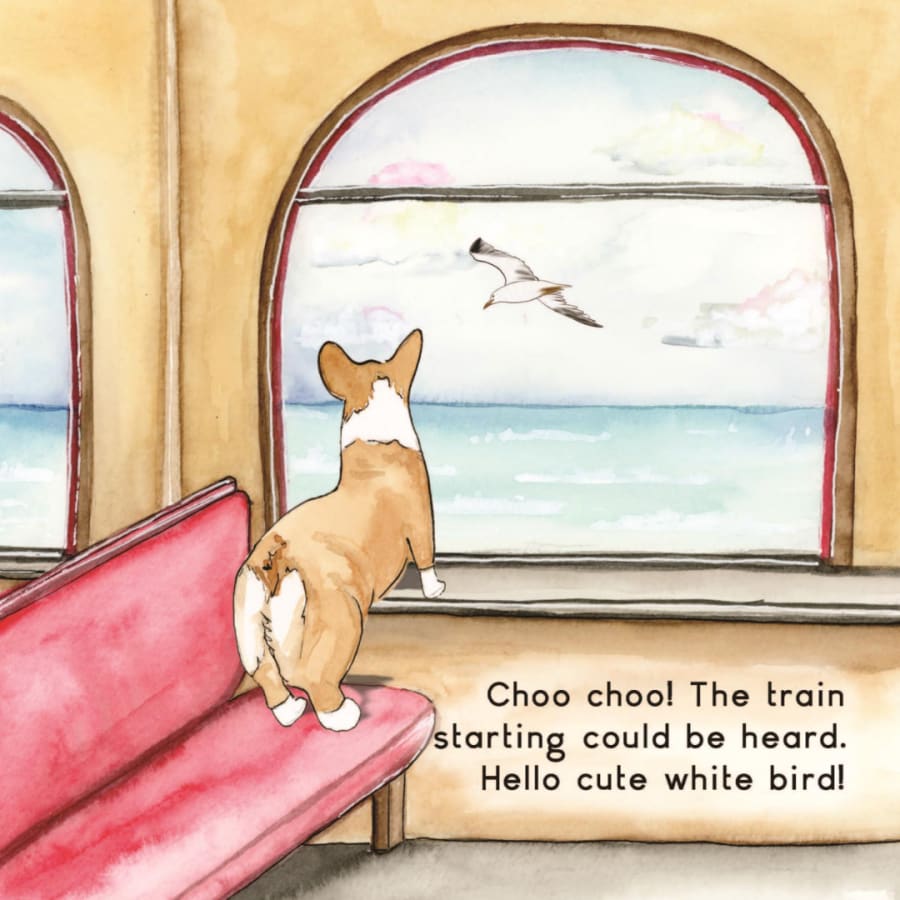
Day 5 of the 1st Grade train unit
Builds on: Day 4 (1C) used the same warm-up, work time and cool-down routine, so children already know how a math lesson runs this week; today the problem is a train schedule.
Leads to: Days 6 to 8 (1E) go back to Rally's dark tunnel for a science investigation about light.
Learning objective
Students tell and write time to the hour and half hour using analog and digital clocks, explain where the hour hand points at half past, and read a real train departure board.
I can read and write times to the hour and half hour on a clock with hands and on a digital clock.
Vocabulary to teach
Materials
- A geared demonstration clock, and one geared student clock per pair
- Chart paper departure board with the six train times from the guide
- Hour hand detective printable, one per child: six clocks to read (9:00, 9:30, 4:00, 4:30, 12:00, 12:30), a sentence to finish and a two-clock cool-down
- Read the train clocks printable, one per child: a short source box with the real departure times from the Northwest Railway Museum guide, six clocks showing those times in mixed order, and a write-in line under each
- Class departure board printable for a later math center, one per child: a three-column table (Train, Leaves at, Hour or half hour?), three blank clocks and a self-check list
- The Northwest Railway Museum guide at https://www.rallytakesthetrain.com/museums/northwest-railway-museum-snoqualmie-washington, projected
Before you teach
- Use geared clocks. If the hour hand does not move when the minute hand turns, Activity 1 cannot work; paper plate clocks can wait for the center.
- Read the train rides section of the Northwest Railway Museum guide. It lists the six times and says rides run on Saturdays in February and March and on weekends from April to September.
- Write the departure board before math so the warm-up starts at once.
- Set up the station game as a math center for the rest of the week; it gives quick daily practice.
Lesson plan
Problem-based math lesson. Children understand half past best when they watch the hour hand move and explain it themselves, so the lesson starts with a real departure board and a geared clock, and the rule is stated in the synthesis, after children have seen it.
The book: The book is not used in this lesson.
The warm-up and Activity 2 use the six train ride times listed in this guide: North Bend at 10:30 am, 12:30 pm and 2:30 pm, and Snoqualmie at 11 am, 1 pm and 3 pm. Or find a verified museum near your school in the field trip planner.
- Show the departure board you copied onto chart paper from the Northwest Railway Museum guide: from North Bend, 10:30, 12:30 and 2:30; from Snoqualmie, 11:00, 1:00 and 3:00. Do not explain it.
- Ask what children notice and what they wonder, and record both lists. Expect ideas like: some times end in 00 and some in 30; why are there two dots?
- Tell children this is a real train schedule from a museum in Washington State, and that they will learn to show these times on a clock.
- Launch (4 minutes): set the geared demonstration clock to 9:00. Children say what they see. Name the short hour hand and the long minute hand.
- Work time (9 minutes): hand out the hour hand page with the cool-down strip folded under. Partner A sets 9:00, then turns the minute hand slowly all the way to the 6 while Partner B watches only the hour hand. Pairs compare their clock with the 9:30 clock on the page: is the hour hand in the same spot? Switch roles for 4:00 to 4:30, then write the time under each of the six clocks.
- Synthesis (5 minutes): two pairs show their clocks. Ask, "Has the hour hand reached the 10?" Agree together: at half past, the minute hand points to the 6 and the hour hand is halfway between two numbers, so we say the hour it has passed: 9:30, half past nine.
Look for: Pairs who notice the hour hand moving without being told. Ask them to share first.
- Launch (2 minutes): point back to the warm-up board and hand out the train clocks page. Its six clocks show the board's times in mixed order.
- Work time (9 minutes): partners read each clock, write the digital time and mark N for a North Bend train or S for a Snoqualmie train using the source box at the top.
- Synthesis (3 minutes): ask which station's trains all leave at half past and how the clocks show it (North Bend; the minute hand points to the 6).
- Hold up two clocks set to 2:30 and 3:30. Ask which one is the North Bend train, and have children explain using the hour hand.
- Add to the class time chart: o'clock, minute hand on the 12; half past, minute hand on the 6 and hour hand between two numbers.
- Mention that train days and times can change, so families check the museum's website before a visit.
- Children complete the cool-down at the bottom of the hour hand page: draw the hands for 2:30 and write the time shown on the 11:00 clock.
- Collect the pages. Children who drew the hour hand pointing right at the 2 or the 3 join a 10-minute small group tomorrow.
Short on time? Shorten the warm-up to three minutes of noticing only, have partners read and write the six train times without the N and S marking or the Activity 2 synthesis, and fold the lesson synthesis into the 2:30 versus 3:30 comparison. Keep Activity 1 with the geared clocks and the cool-down.
Finished early? Partners play one round of the station game on the departure board page.
What to listen for
| If children say or do this | Try this |
|---|---|
| Reads 2:30 as 3:30 because the hour hand is near the 3. | Ask whether the hour hand has reached the 3 yet. Turn a geared clock from 2:00 to 2:30 so the child sees it travel only halfway. |
| Swaps the hands and reads 12:30 as 6:12. | Have the child hold up two arms, one short and one long, and name each hand before reading the clock. |
| Writes 2:3 or 30:2. | Point to the class chart: the hour, two dots, then two digits for the minutes. Half past always ends in 30. |
Safety: If children make paper plate clocks, supervise the use of brads and scissors.
Differentiation
Extra support
Start with hour times only, using a clock with just the hour hand so the child focuses on the hour. Add the minute hand once hours are steady, and color the top half of the clock face to show where the minute hand travels in half an hour.
Multilingual learners
Teach o'clock and half past with the clock and gestures (arm straight up for o'clock, straight down for half past), and post a picture of each. Give frames: "The train leaves at ___ o'clock." "The train leaves at half past ___." Note that some languages say half past differently, so connect both phrases to the clock. Key language use: Inform.
Extension
Children answer: "Trains leave Snoqualmie at 11 am, 1 pm and 3 pm. How many hours apart are they?" (2 hours.) Then they design a departure board where trains leave every hour or every half hour and explain the pattern.
Check for understanding
Success criterion: Tells and writes time to the hour and half hour on analog and digital clocks, and places the hour hand correctly at half past.
| Level | What you see |
|---|---|
| 3Meets (level 3) | Reads and writes all six train times correctly, draws both hands correctly for 2:30 on the cool-down, and explains that the hour hand is halfway between two numbers at half past. |
| 2Approaching (level 2) | Reads and writes hour times correctly but names the next hour at half past (reads 2:30 as 3:30) or draws the hour hand pointing right at a number. |
| 1Beginning (level 1) | Mixes up the hour hand and the minute hand, or writes digital times in the wrong form (writes 30:2 or 2:3). |
Family connection
Send home the half-page note in the printables. The text is below so you can paste it into a newsletter or app.
English
Clocks were the star of math this week. Your child learned to tell time to the hour and half hour, like 3:00 and 3:30, on clocks with hands and on digital clocks. We used a real train schedule from a museum in Washington State and discovered that at half past, the short hour hand sits halfway between two numbers. Whenever a clock nearby shows an hour or half hour, ask your child to read it and show it with their arms (one short, one long). Free train museum guides: rallytakesthetrain.com/train-museums.
Español
Esta semana los relojes fueron las estrellas de la clase de matemáticas. Su hijo o hija aprendió a decir la hora en punto y la media hora, como 3:00 y 3:30, en relojes de manecillas y en relojes digitales. Usamos el horario real de un museo de trenes del estado de Washington y descubrimos que a la media, la manecilla corta queda entre dos números. Cuando un reloj cercano marque la hora en punto o la media hora, pídale que lo lea y que lo muestre con los brazos (uno corto y otro largo). Guías gratis de museos de trenes: rallytakesthetrain.com/train-museums.
Teacher tips
- Keep the class departure board up for the week and change one time each morning. Children check it during transitions, which gives quick daily practice.
- If you make paper plate clocks later, cut the hour hand clearly shorter and a different color, so children never confuse the two.
Standards alignment
| Standard | Text |
|---|---|
| CCSS 1.MD.B.3 (opens in a new tab) | Tell and write time in hours and half-hours using analog and digital clocks. |
Check codes against your state's version of these standards. How we build and review lessons.
Keep exploring
Pick a museum guide with a train ride and find the time a train leaves. Is it on the hour or at half past? Show that time on a clock.
Teach it with the real book
4.9 stars on Amazon
Rally Takes the Train is a rhyming, hand-painted picture book about a corgi's first train ride, from the big station stairs to a dark tunnel to the people waiting at the end of the line. Children ask for it again and again, and every unit here opens with it.
Questions teachers ask
Why does the hour hand cause so many mistakes at half past?
At 2:30 the hour hand sits halfway between the 2 and the 3, so children often name the closer or larger number. In Activity 1, partners turn a geared clock from 9:00 to 9:30 while one child watches only the hour hand. Once they see it travel halfway, the rule makes sense: we say the hour it has passed. Ask, "Has the hour hand reached the 3 yet?"
Do the student clocks have to be geared?
Yes. Activity 1 depends on children watching the hour hand move as the minute hand turns. If the hands move separately, the hour hand can stay on the 9 at 9:30 and children learn the wrong picture. Check each clock before math, one per pair plus yours. Paper plate clocks can wait for the center later in the week, with a shorter hour hand in a different color.
What is on the departure board?
The six ride times from the Northwest Railway Museum guide: trains leave North Bend at 10:30, 12:30 and 2:30, and Snoqualmie at 11:00, 1:00 and 3:00. Copy them onto chart paper before math so the warm-up starts at once. The guide says rides run on Saturdays in February and March and on weekends from April to September, and times can change, so families should check before a visit.
What should I record during notice and wonder?
Two lists, written in children's words, and no explanation of the board yet. Expect notices like "some times end in 00 and some in 30" and wonders like "why are there two dots?" Then tell children it is a real train schedule from a museum in Washington State and that they will learn to show these times on a clock. Activity 2 answers many of the wonders.
Why are the train clocks in mixed order?
So children read each clock instead of copying the board from top to bottom. Partners write the digital time under each of the six clocks, then mark N for a North Bend train or S for a Snoqualmie train using the source box. The Activity 2 synthesis question, which station's trains all leave at half past, has one answer: North Bend, with the minute hand on the 6.
What does the two-clock cool-down tell me?
Children draw the hands for 2:30 and write the time on an 11:00 clock. A child who points the hour hand right at the 2 or the 3 joins a 10-minute small group the next day, turning a geared clock from 2:00 to 2:30. A child who writes 2:3 or 30:2 has a different gap, the digital form, so go back to the class chart: hour, two dots, two digits.
A child read 12:30 as 6:12. What went wrong?
The hands are swapped: the child read the long minute hand as the hour. Have them hold up two arms, one short and one long, and name each hand before reading any clock. If it keeps happening, start with hour times on a clock that has only the hour hand, and add the minute hand once hours are steady. Mixing up the hands is the Beginning level on the check.
How does the station game work as a center?
One child is the station master and writes a train time on the class departure board page. The partner sets it on a clock, says it and draws it, then they switch. The page ends with a four-item self-check about where the hands point and how to write the time. Changing one time on the class board each morning adds quick practice during transitions.
What carries over from the passengers lesson the day before?
Day 4 (1C) used the same structure: a warm-up, two activities with a launch, work time and synthesis, a lesson synthesis and a cool-down. By Day 5 children know the routine, so more of the 50 minutes goes to the clocks. Day 6 leaves math and goes back to Rally's dark tunnel for a three-day light investigation.
What works for children who already know half past?
Ask how far apart the Snoqualmie trains leave: 11 am, 1 pm and 3 pm are 2 hours apart. Then children design their own departure board where trains leave every hour or every half hour, and explain the pattern to a partner. It stretches their thinking toward elapsed time while every time on the board stays on the hour or half hour.
Related lessons
Passengers On, Passengers Off: Train Word Problems Within 20
A 55-minute problem-based math lesson.

Train Time: Elapsed Time on a Real Train Schedule
A 60-minute problem-based 3rd grade elapsed time lesson.
Train Story Sequencing: Beginning, Middle and End
A free kindergarten retelling lesson taught over three short days.
Teaching with Rally Takes the Train
Every lesson is free for classroom and homeschool use. Add the paperback to your classroom library, or review a lesson to earn a free copy if you are a credentialed teacher. Keep the journey going in about 650 free train museum guides, plan a visit with the field trip planner, or browse all lessons for educators.