
Elapsed Time Lesson for 3rd Grade: Solve Train Schedule Problems on a Number Line
A 60-minute problem-based 3rd grade elapsed time lesson. Students read clocks to the nearest minute, then work out when a real excursion train gets back before any method is shown. The class compares strategies, names the open number line, and uses it on a departure board built from the North Shore Scenic Railroad guide's times.
- Grade
- 3rd Grade
- Subjects
- Mathematics, Measurement and data
- Time
- One 60-minute math block
- Structure
- Problem-based math lesson
- Prep
- 10 minutes: draw or project four clocks for the warm-up, open the North Shore Scenic Railroad guide to its at a glance box, copy the departure board and the clock check for everyone and the practice page for later in the week, and set out a geared clock
- Grouping
- Whole class warm-up and syntheses on the carpet, partners at tables for both activities, a small group at the back table, independent cool-down
- Book
- Not used in this lesson
- CCSS 3.MD.A.1
 Need the book? Get the paperback on Amazon (opens in a new tab) or earn a free classroom copy.

Day 6 of the 3rd Grade train unit
Builds on: 3B, where students learned that a museum guide holds real facts. Today one guide's ride times become the math.
Leads to: 3D, the second problem-based math day, on arrays and area.
Learning objective
Students tell and write time to the nearest minute and solve elapsed time word problems (finding an end time, a start time or the length of an interval) by drawing open number lines, using departure times and ride lengths from a real railroad guide.
I can tell time to the nearest minute and use a number line to find how much time passes, when something ends, or when it starts.
Vocabulary to teach
Materials
- The North Shore Scenic Railroad guide at https://www.rallytakesthetrain.com/museums/north-shore-scenic-railroad-duluth-minnesota on a projector
- Four clocks for the warm-up, drawn on chart paper or projected (11:52, 12:15 on an analog clock, 12:15 as a digital time, 2:38)
- A geared demonstration clock
- Departure board, one per student (printable, Activity 2): four trains from the guide with leave times, ride lengths and blank cells, plus number line boxes
- Cool-down and clock check, one per student (printable): the cool-down problem at the top, then clocks to read and draw for the next day's warm-up
- Elapsed time practice, one per student (printable): six word problems for later in the week
- Sticky notes for tracking which pairs to call on
Before you teach
- Decide which strategies you hope to see in Activity 1 (counting around the clock, adding 60 then 15, a number line) and keep a sticky note handy to jot which pair used each.
- The departure board uses the times the guide listed when this lesson was written. If the guide now shows different times, tell students the board is a snapshot from that date.
- Set up the back table with the geared clock for a 5-minute small group during Activity 2.
- The practice page is not meant for today. Use problems from it as warm-ups for the next few days.
Lesson plan
Problem-based math lesson. Third graders understand elapsed time better when they first try to find the return time their own way and then compare strategies. The open number line comes out of their work in the synthesis instead of being handed over first.
The book: Not used. The railroad guide gives what the book does not: real departure times and ride lengths.
Project the guide's at a glance box for the Activity 1 launch. Students only need the times, which are printed on the departure board. Or find a verified museum near your school in the field trip planner.
- Show the four clocks without saying anything. Students put a thumb at their chest when they have a reason one clock does not belong.
- Take reasons for each clock and record them with student names (for example, one is digital, one is before noon, two show the same time).
- Read each analog clock to the nearest minute together. For 11:52, count the minute hand by fives to 50, then by ones.
Look for: Students who read 11:52 as 12:52 because the hour hand is close to 12. Ask which number the hour hand has passed.
- Launch (4 minutes): project the guide's at a glance box and read that the Duluth Zephyr leaves at 11 a.m. and the ride is 75 minutes. Ask what time riders get back, and take quick estimates: before noon or after?
- Work time (9 minutes): partners solve it any way they like with paper, drawings or a clock. Do not show a method. Circulate and note strategies on sticky notes, including the answer 11:75.
- Synthesis (7 minutes): show three pairs' work in this order: counting around the clock, adding 60 and then 15, and work that looks like a line with jumps. If no pair drew a line, draw one from the second pair's thinking and credit them.
- Label the open number line together: start at 11:00, jump 60 to 12:00, jump 15 to 12:15 p.m. Use the geared clock to show why 11:75 cannot be a time.
- Pass out the departure board (1 minute). Partners find the return times for the Northwoods Explorer and the Autumn Pie Train and the length of the Christmas Tree Train trip, using any strategy.
- Pull four or five students who wrote 11:75 to the back table for 5 minutes. Turn the geared clock one hour at a time while they draw matching jumps.
- Pairs who finish find a start time: a ride ends at 12:20 p.m. after 2 hours 30 minutes. When did it start?
- Before the synthesis, tell students the railroad says to check its own website before a trip. The class is using the times printed in the guide.
Look for: The Christmas Tree Train, which runs from 9:00 a.m. to 1:00 p.m. Watch for students who count the numbers 9, 10, 11, 12 and 1 and say 5 hours.
- Display one pair's Christmas Tree Train number line. Ask what happens to a.m. and p.m. at 12, and why the answer is 4 hours and not 5.
- Ask why jumping to the next hour first made the Zephyr problem easier.
- Add to the anchor chart: a number line works whether you know the start, the end or how long.
- Students solve only the cool-down problem at the top of the page (2:40 p.m. plus 35 minutes) on their own. The clocks below are tomorrow's warm-up.
- Glance through the cool-downs as students line up. Anyone who wrote 2:75 or forgot p.m. starts the next math block at the back table with the geared clock.
Short on time? Show only the 11:52 and 2:38 clocks and keep the warm-up to 3 minutes, then have partners solve just the Northwoods Explorer and the Christmas Tree Train on the departure board, skipping the Autumn Pie Train and the start-time challenge. Keep the Zephyr synthesis and the cool-down, which carry the number line and your evidence.
Finished early? Plan a day at the Duluth Depot: choose two trains from the departure board, add 45 minutes for lunch between them, and show the whole day on one number line.
What to listen for
| If children say or do this | Try this |
|---|---|
| Writes 11:75 for 75 minutes after 11:00. | Turn the geared clock's minute hand once around while the class counts 60 minutes. Ask where the hands are now, then count on 15 more. |
| Counts 9, 10, 11, 12, 1 and says the Christmas Tree Train runs 5 hours. | Ask the student to point to the jumps, not the numbers. Five numbers on a line have four jumps between them. |
| Leaves off a.m. or p.m., or keeps writing a.m. after passing noon. | Mark 12:00 on every number line with a bold line labeled noon, and have students say the switch aloud as they jump past it. |
Differentiation
Extra support
Give number lines with the start time already written and the hour marks drawn in. Start with intervals inside one hour (for example, the 20 minute stop at Knife River) before crossing the hour. Let students act out each jump on a geared clock.
Multilingual learners
Teach leaves, returns, how long and a.m./p.m. with gestures and the departure board. Give frames: "The train leaves at ___. It rides for ___ minutes. It returns at ___." Partners may talk through the problem in their home language before writing. Key language use: Explain.
Extension
Use the practice page's start-time problems, then write a new departure board problem for a partner that crosses noon.
Check for understanding
Success criterion: Reads and writes time to the nearest minute and solves elapsed time problems for an end time, a start time and an interval with an accurate open number line and correct a.m. or p.m.
| Level | What you see |
|---|---|
| 3Meets (level 3) | Reads the clocks to the nearest minute, completes the departure board including the Christmas Tree Train across noon, and solves the cool-down with labeled jumps that add up to 35 minutes and a p.m. answer. |
| 2Approaching (level 2) | Reads clocks to the nearest five minutes and finds end times inside one hour, but makes errors when an interval crosses the hour or noon, or leaves off a.m. and p.m. |
| 1Beginning (level 1) | Reads the hour but not the minutes reliably, and adds the interval as if it were a regular number (for example, 11:00 plus 75 makes 11:75). |
Family connection
Send home the half-page note in the printables. The text is below so you can paste it into a newsletter or app.
English
What time does the train get back? Your child worked on that question today using real ride times from the North Shore Scenic Railroad in Duluth, Minnesota. Students tried their own ways first, then compared them and learned to draw an open number line: jump to the next hour, then add the minutes left. For a 5-minute time hunt at home, note when an activity starts and ends, like dinner or a show, and ask your child how many minutes passed and how they know. Free train museum guides are at rallytakesthetrain.com/train-museums.
Español
¿A qué hora regresa el tren? Hoy su hijo o hija trabajó con esa pregunta usando horarios reales del North Shore Scenic Railroad, en Duluth, Minnesota. Primero cada estudiante probó su propia manera de resolverlo, luego comparamos estrategias y aprendimos a dibujar una recta numérica abierta: saltar a la siguiente hora y después sumar los minutos que faltan. Como juego de 5 minutos en casa, anoten a qué hora empieza y termina una actividad, como la cena o un programa, y pregúntele cuántos minutos pasaron y cómo lo sabe. Hay guías gratuitas de museos de trenes en rallytakesthetrain.com/train-museums.
Teacher tips
- Keep the departure board on the wall after the lesson. It makes a quick warm-up for a week: if the Zephyr left 10 minutes late, when would it get back?
Standards alignment
| Standard | Text |
|---|---|
| CCSS 3.MD.A.1 (opens in a new tab) | Tell and write time to the nearest minute and measure time intervals in minutes. Solve word problems involving addition and subtraction of time intervals in minutes, e.g., by representing the problem on a number line diagram. |
Check codes against your state's version of these standards. How we build and review lessons.
Keep exploring
Find a museum guide that lists its opening hours or a train ride length. How many hours is the museum open in one day, or when would the ride get back? Show it on a number line.
Teach it with the real book
4.9 stars on Amazon
Rally Takes the Train is a rhyming, hand-painted picture book about a corgi's first train ride, from the big station stairs to a dark tunnel to the people waiting at the end of the line. Children ask for it again and again, and every unit here opens with it.
Questions teachers ask
What happens in each part of the 60-minute block?
An 8-minute warm-up asks which of four clocks does not belong and practices reading time to the nearest minute. Activity 1 (20 minutes) has partners find when the Duluth Zephyr gets back before any method is shown. Activity 2 (20 minutes) is the departure board, with a small group at the back table. A 7-minute lesson synthesis and a 5-minute cool-down finish the block.
Why not show the number line before the Zephyr problem?
When students solve the problem their own way first, the open number line arrives as a cleaner version of something they already tried. You watch for counting around the clock, adding 60 and then 15, and work that looks like jumps on a line. In the synthesis you show them in that order and name the number line last. If no pair drew one, draw it from the second pair's thinking and credit them.
A student wrote 11:75. What now?
That answer treats time like an ordinary number, where 75 can follow 11. Turn the minute hand of the geared clock once around while the class counts 60 minutes, ask where the hands are, then count on 15 more to 12:15. During Activity 2, pull four or five students who wrote 11:75 to the back table for 5 minutes and have them draw a jump for each turn of the clock.
Why do so many students say the Christmas Tree Train runs 5 hours?
The train runs from 9:00 a.m. to 1:00 p.m., and students count the numbers 9, 10, 11, 12 and 1 instead of the jumps between them. Ask them to point to each jump, not each number. Five numbers on a line have four jumps. The same problem crosses noon, so it is also the best place to discuss the switch from a.m. to p.m. in the synthesis.
What are the four warm-up clocks meant to show?
The clocks show 11:52, 12:15 on an analog face, 12:15 as a digital time, and 2:38. Any well reasoned answer counts: one is digital, one is before noon, two show the same time. After taking reasons, read each analog clock to the nearest minute together. Watch for students who read 11:52 as 12:52 because the hour hand is close to 12, and ask which number the hour hand has passed.
Where do the train times come from, and what if they have changed?
The departure board uses the times printed in the North Shore Scenic Railroad guide when the lesson was written. If the guide now shows different times, tell students the board is a snapshot from that date. The railroad tells riders to check its own website before a trip, and saying that aloud before the synthesis is a small lesson in reading schedules like a real traveler.
What is the elapsed time practice page for if it is not used today?
It is six word problems meant for the days after the lesson. Use one or two as math warm-ups each morning so students keep drawing number lines while the strategy is fresh. The start-time problems on the page also work as the extension for students who finish the departure board early, and the departure board itself can stay on the wall for quick what if questions.
What does the cool-down show me?
The cool-down is a single problem: a train leaves at 2:40 p.m. and the ride is 35 minutes. A correct number line jumps 20 to 3:00 and 15 more to 3:15 p.m. Glance through the slips as students line up. Anyone who wrote 2:75 or left off p.m. starts the next math block at the back table with the geared clock, while the class reads the clocks below as the warm-up.
What can pairs do if they finish the departure board early?
Give them a start-time problem: a ride ends at 12:20 p.m. after 2 hours 30 minutes, so when did it start? Jumping back gives 9:50 a.m. Pairs who solve that can plan a day at the Duluth Depot, choosing two trains from the board, adding 45 minutes for lunch between them, and showing the whole day on one number line.
Related lessons
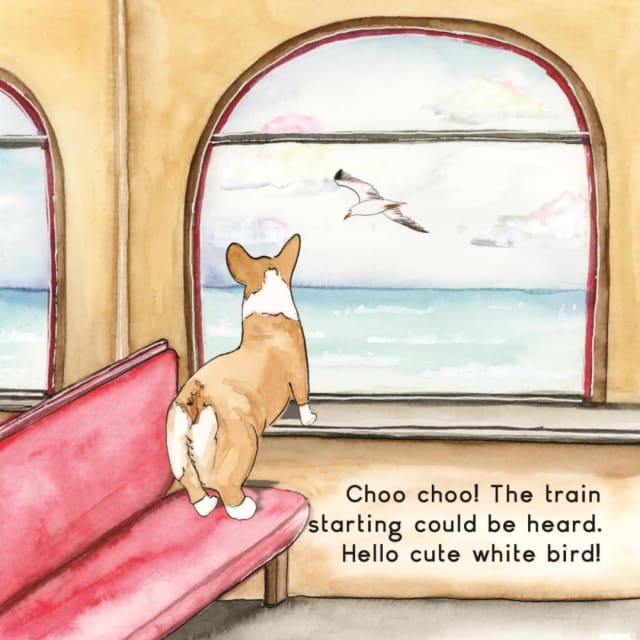
Train Times: Tell Time to the Hour and Half Hour
A 50-minute problem-based math lesson on telling time.
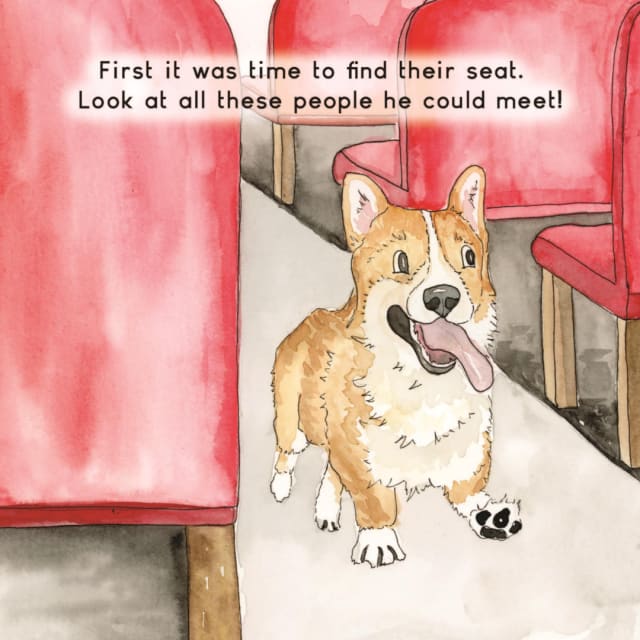
Seats in Rows: Arrays, Multiplication and Area of a Train Car
A 60-minute problem-based 3rd grade lesson on arrays and area.
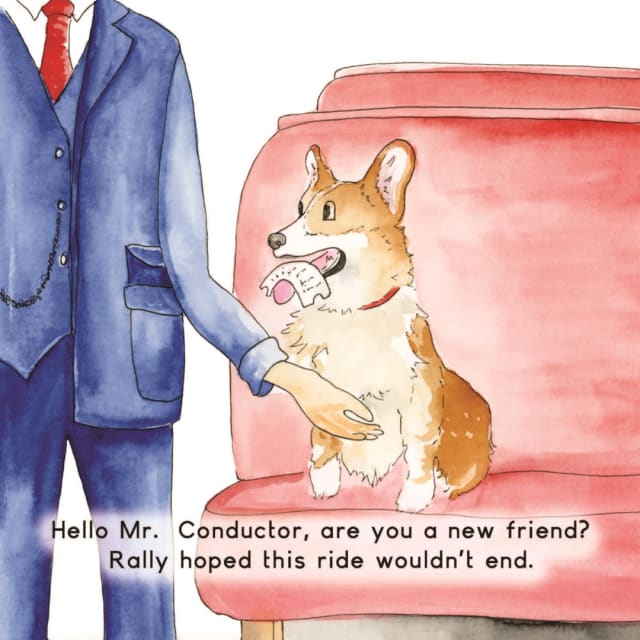
Big Numbers at the Museum: Multi-Step Word Problems
A 60-minute problem-based 4th grade math lesson.
Teaching with Rally Takes the Train
Every lesson is free for classroom and homeschool use. Add the paperback to your classroom library, or review a lesson to earn a free copy if you are a credentialed teacher. Keep the journey going in about 650 free train museum guides, plan a visit with the field trip planner, or browse all lessons for educators.