
Transcontinental Railroad Lesson for 5th Grade: Perspectives, Sources and Whose Story Is Told
A two-session 5th grade C3 inquiry on the transcontinental railroad. Guided by the question whose story gets told, students read short passages from two real railroad museum guides, sort what each says about founders, workers, a surveyor, an artist and photographers, compare the two accounts, and write a claim with evidence about why perspectives differed.
- Grade
- 5th Grade
- Subjects
- Social studies (history), Reading informational text
- Time
- Two sessions: 45 and 45 minutes
- Structure
- C3 inquiry over two sessions
- Prep
- 20 minutes: read the history sections of both guides yourself, copy the source table (one per group of three) and the compare and response pages (one each per student), write the compelling question on chart paper, and title a second chart Whose story is told? Whose story is missing?
- Grouping
- Whole class for the launch and discussions, groups of three for the source table, partners for the comparison, individual summative writing
- Book
- Pages 6, 10
- C3 D2.His.4.3-5
- C3 D2.His.10.3-5
- CCSS RI.5.6
 Need the book? Get the paperback on Amazon (opens in a new tab) or earn a free classroom copy.
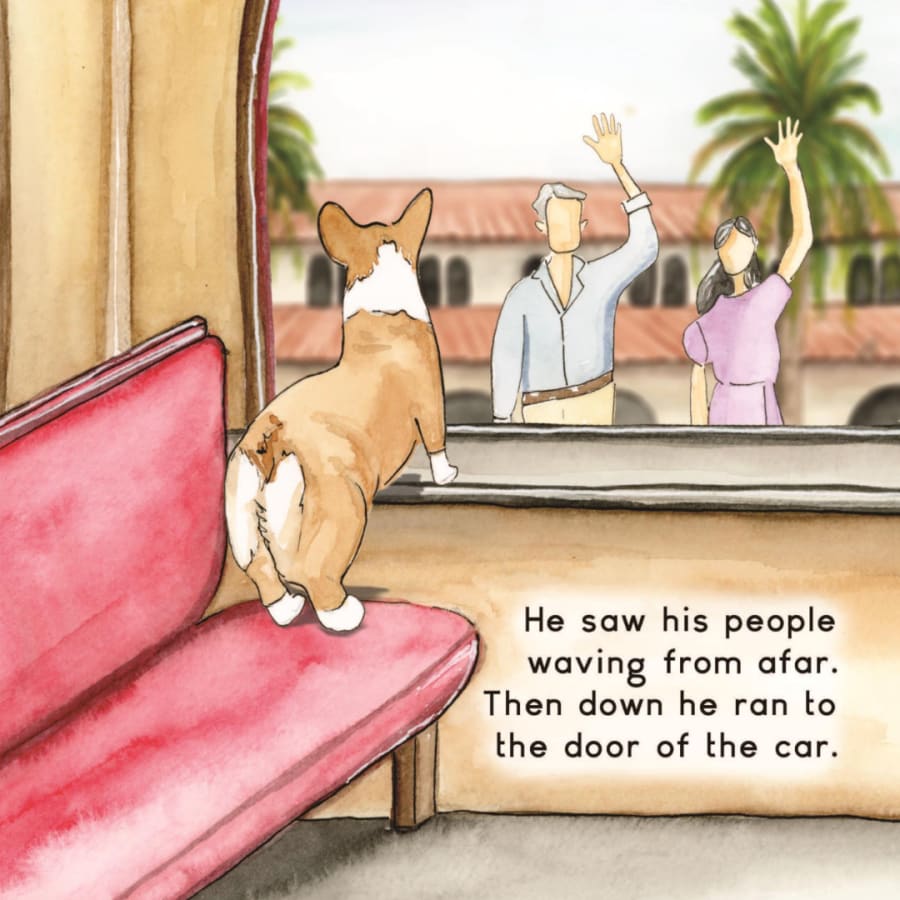
Days 8-9 of the 5th Grade train unit
Builds on: The claim, evidence and reasoning routine from Gravity on the Grade (5E), and the perspective of the conductor and passengers students met in the Day 1 read-aloud.
Leads to: Should We Save the Old Train? (5B) uses the same habit of naming a source and separating facts from inferences in an opinion piece.
Learning objective
Students compare two museum accounts of the transcontinental railroad, noting similarities and differences in their point of view, identify the different groups each source describes, explain why people in the same period saw the railroad differently, and name a story the sources leave out and where they could look for it.
I can compare two accounts of the transcontinental railroad, explain why people at the same time saw it differently, and ask whose story is missing.
Vocabulary to teach
Materials
- Rally Takes the Train by Kelsey Lizee Cecil: get the paperback on Amazon (opens in a new tab) or earn a free classroom copy
- Two verified museum guides on a projector or devices: California State Railroad Museum (rallytakesthetrain.com/museums/california-state-railroad-museum-sacramento) and Utah State Railroad Museum at Ogden Union Station (rallytakesthetrain.com/museums/utah-state-railroad-museum-at-ogden-union-station)
- Source table printable (Session 1), one per group: six short statements from the two guides with columns for whose perspective and why that group might see the railroad differently
- Compare the accounts printable (Session 2), one per student: a Venn diagram for the two guides and lines on how each museum's location shapes its story
- Perspectives response printable (Session 2), one per student: the summative writing prompt, lines, two boxes (whose story is missing, where could we look) and a self-check list
- Two charts: the compelling question, and Whose story is told? Whose story is missing?
Before you teach
- Compelling question: Whose story of the transcontinental railroad gets told? Supporting questions: (1) What does the Sacramento museum's account tell us, and about whom? (2) What does the Ogden museum's account add, and how is it different? (3) Why did people living at the same time see the railroad differently?
- Read both guides' history sections before class and mark the passages for each statement on the source table, so you can project them quickly.
- Group students in threes with one strong reader. Groups that move slowly can do two statements per guide instead of three.
- Write the source tells us and I infer on the board before Session 1. You will point to them often.
- Decide how you will handle questions the guides cannot answer. The lesson's answer is to write them on the missing-stories chart, not to fill the gap with a guess.
Lesson plan
C3 inquiry over two sessions. Perspective in history is something students should argue from sources, not receive as a summary. A compelling question, three supporting questions and two featured sources give them the material to make and defend a claim by the end of Session 2.
Using the book: Open Session 1 with pages 6 and 10 for about 3 minutes: the kids see a corgi, the conductor is at work. Same train, same moment, different perspectives. The rest of the inquiry uses the museum guides.
This guide and the Utah State Railroad Museum at Ogden Union Station guide are the two featured sources; students compare how each museum tells the story. Or find a verified museum near your school in the field trip planner.
Session 1 45 minutes
- Turn to page 6, then page 10 (about 3 minutes in all). The kids see a corgi; the conductor is at work. Ask what each would say the trip was about.
- Post the compelling question: Whose story of the transcontinental railroad gets told? Teach transcontinental railroad, perspective and account with the vocab definitions.
- Teach primary and secondary source with one example each: a photograph taken in the 1860s, and a museum guide written today.
- Project the California State Railroad Museum guide and read the three passages behind statements 1 to 3: Chinese workers made up ninety percent of the Central Pacific's labor force over the Sierra Nevada; the C. P. Huntington locomotive is named for one of the Big Four, the railroad's founders; the artist Anna Judah painted the mountains while her husband Theodore surveyed the route. Then read the sentence around them: the museum calls itself a keeper of stories and has worked to widen whose stories get told.
- Model the first row of the source table with the class, pointing to the board: the source tells us (what the guide says), I infer (what that might mean for the group). Do not invent what the workers said; the guide does not give their words.
- Groups complete statements 2 and 3 on the source table: whose perspective each helps us understand and why that group might see the railroad differently.
- Circulate and push every group to label facts and inferences.
Look for: Listen for the word widen; students who notice it are seeing that earlier tellings left people out.
- Project the Utah State Railroad Museum at Ogden Union Station guide and read: Ogden's first Union Station went up in 1870, the year after the rails met at Promontory; the railroad brought wealth to Ogden and prosperity to Northern Utah; Trail of Iron is 55 photographs by Alfred Hart and Andrew Russell of the land the railroad crossed; Riding in Style focuses on the Black railroad service workers, the cooks, porters, waiters and redcaps, who made passenger travel run.
- Groups complete statements 4 to 6. Ask whether the Trail of Iron photographs are primary or secondary sources, and which statement is about passenger travel after the railroad was built.
- Each group adds one sticky note to the Whose story is told chart naming a group the sources describe. Leave the missing side blank until Session 2.
Session 2 45 minutes
- Partners fill in the Venn diagram from their source tables: what the Sacramento guide emphasizes, what the Ogden guide emphasizes, and what both share.
- Partners answer the question on the page: how does where each museum stands, at the Sacramento end of the line or in Ogden near where the rails met, shape the story it tells?
Look for: Look for pairs who notice that each museum tells most about the people and events closest to it.
- Ask why a founder, a worker, a surveyor, an artist and a photographer living at the same time might see the same railroad differently. Record reasons on the board: their jobs, what they wanted, where they stood, what they risked.
- Ask students to tie each reason to a statement from the source table.
- On the perspectives response page, students choose two groups from the 1860s building years in the sources and write a claim about why they saw the transcontinental railroad differently, with at least one detail from each guide.
- Students write the source tells us before facts and I infer before inferences, then check their writing against the self-check list.
- Students fill the two boxes on their page, then add a sticky note to the missing side of the chart: who else lived on, worked on or used the land the railroad crossed, and where could we look to learn their story?
- Name real places to look: the museums' own exhibits and archives, primary sources such as photographs, and the communities whose history it is.
Short on time? With one session instead of two, work all six source table statements as a whole class while you project each passage, skip the Venn diagram, and give 15 minutes for the claim with one detail from each guide. Keep a 3-minute Whose story is missing? close, because it is the answer to the compelling question.
Finished early? Look for a photograph from the 1860s in a museum's online collection or your library and write what it can and cannot tell us compared with a guide's description.
What to listen for
| If children say or do this | Try this |
|---|---|
| Students write what Chinese workers felt or said as if the guide told them. | Point to the board: the source tells us, I infer. Ask where in the guide that sentence came from. If it did not, it becomes an inference or a question for the missing-stories chart. |
| Students treat the Riding in Style statement as part of the building years. | Ask when that exhibit is about. It covers passenger travel after the railroad was built, so it fits a different time than the founders and builders. |
| "The guide is all about the 1860s, so it's a primary source." | Ask when and by whom the guide was written. It was written today about the past, so it is secondary, even when it describes primary sources like photographs. |
Differentiation
Extra support
Assign each group two statements per guide instead of three, and read statements aloud as needed. Provide the frame: The ___ guide tells us that ___. This group might have seen the railroad as ___ because their role was ___.
Multilingual learners
Pre-teach worker, founder, surveyor, photograph and perspective with images from the guides. Let groups discuss in any language, then share in English with the frame "Group A saw ___, but group B saw ___ because ___." Key language use: Explain.
Extension
Students compare a primary source (a photograph from the time, if available in the museum's online collections or your library) with a guide's description of the same topic, and explain what each source can and cannot tell us.
Check for understanding
Success criterion: Compares two accounts of the transcontinental railroad, identifies similarities and differences in point of view, explains why groups in the same period had different perspectives using evidence, separates fact from inference, and names a missing perspective and where to look.
| Level | What you see |
|---|---|
| 3Meets (level 3) | Names at least one similarity and one difference between the guides and explains how each museum's location shapes its account; explains why two groups saw the railroad differently with a detail from each guide; labels inferences; names a missing story and a reasonable place to look. |
| 2Approaching (level 2) | Lists details from both guides but does not yet explain the point of view, or explains differing perspectives with evidence from only one source or without separating fact from inference. |
| 1Beginning (level 1) | Retells facts about the railroad without comparing sources or perspectives, or states opinions about groups that are not supported by the sources. |
Family connection
Send home the half-page note in the printables. The text is below so you can paste it into a newsletter or app.
English
Ask your child: whose story gets told when people remember the past? The class spent two sessions on that question with the transcontinental railroad. They compared how two real railroad museums, one in Sacramento and one in Ogden, tell the story, and noticed founders, workers, an artist, a surveyor and photographers. Then each student wrote about why people living at the same time saw the railroad differently. At home, try a 5-minute talk: tell something that happened this week from two different people's points of view. More museum history is in the free guides at rallytakesthetrain.com/train-museums.
Español
Pregúntele a su hijo o hija: ¿de quién es la historia que se cuenta cuando la gente recuerda el pasado? La clase dedicó dos sesiones a esa pregunta con el ferrocarril transcontinental. Compararon cómo cuentan la historia dos museos de trenes reales, uno en Sacramento y otro en Ogden, y notaron a fundadores, trabajadores, una artista, un agrimensor y fotógrafos. Luego cada estudiante escribió por qué personas de la misma época vieron el ferrocarril de manera distinta. En casa, conversen 5 minutos: cuenten algo que pasó esta semana desde el punto de vista de dos personas diferentes. Hay más historia en las guías gratuitas de rallytakesthetrain.com/train-museums.
Teacher tips
- When students ask about people the guides do not cover, treat it as the best moment of the inquiry. Write the question on the chart and talk about where historians would look, rather than filling the gap with a guess.
- Speak about the workers who built the railroad as skilled people doing enormous work, which is how the guides describe them. The tone you set shapes how students write about them.
Standards alignment
| Standard | Text |
|---|---|
| C3 D2.His.4.3-5 (opens in a new tab) | Explain why individuals and groups during the same historical period differed in their perspectives. |
| C3 D2.His.10.3-5 (opens in a new tab) | Compare information provided by different historical sources about the past. |
| CCSS RI.5.6 (opens in a new tab) | Analyze multiple accounts of the same event or topic, noting important similarities and differences in the point of view they represent. |
Check codes against your state's version of these standards. How we build and review lessons.
Keep exploring
Pick a museum guide with a history section. Whose stories does it tell, and is there a group of people you would want to learn more about? Where could you look?
Teach it with the real book
4.9 stars on Amazon
Rally Takes the Train is a rhyming, hand-painted picture book about a corgi's first train ride, from the big station stairs to a dark tunnel to the people waiting at the end of the line. Children ask for it again and again, and every unit here opens with it.
Questions teachers ask
What are the compelling and supporting questions for this inquiry?
The compelling question is: Whose story of the transcontinental railroad gets told? Three supporting questions build toward it. What does the Sacramento museum's account tell us, and about whom? What does the Ogden museum's account add, and how is it different? Why did people living at the same time see the railroad differently? Post the compelling question on chart paper before Session 1 and return to it at every step.
Why does a history inquiry open with two pages of the picture book?
Pages 6 and 10 show the same train at the same moment from two points of view: the kids see a corgi, and the conductor is at work. Ask what each would say the trip was about. That three-minute opening gives students the idea of perspective before any historical source appears. After it, the book is put away and the inquiry runs entirely on the two museum guides.
What do the six source table statements cover?
Statements 1 to 3 come from the California State Railroad Museum guide: Chinese workers made up ninety percent of the Central Pacific's labor force over the Sierra Nevada, the C. P. Huntington locomotive is named for one of the Big Four founders, and Anna Judah painted the mountains while Theodore Judah surveyed the route. Statements 4 to 6 come from the Ogden guide: the Trail of Iron photographs, the wealth the railroad brought to Ogden, and the Riding in Style exhibit.
How do students keep facts separate from inferences?
Write the source tells us and I infer on the board before Session 1, and point to them constantly. Model the first row of the source table with the class. When a student writes what Chinese workers felt or said, ask where in the guide that sentence came from. The guide does not give their words, so it becomes an inference or a question for the missing-stories chart.
Is a museum guide a primary or a secondary source?
Secondary. It was written today about the past, even when it describes things from the 1860s. Students often decide the guide is primary because its topic is old, so ask when and by whom it was written. The Trail of Iron photographs by Alfred Hart and Andrew Russell are the contrast: those 55 photographs were taken at the time, so they are primary sources the guide describes.
Why doesn't the Riding in Style statement belong with the building years?
Riding in Style is about the Black railroad service workers (cooks, porters, waiters and redcaps) who made passenger travel run after the railroad was built. It is an important story, but it fits a later time than the founders, surveyor and builders. The summative task asks for two groups from the 1860s building years, so students need to sort statements by time before choosing.
How does each museum's location shape the story it tells?
The California State Railroad Museum sits at the Sacramento end of the line, and its account centers on the Central Pacific, its founders and the workers who crossed the Sierra Nevada. The Ogden museum stands near where the rails met and tells how the railroad brought wealth to Ogden and Northern Utah. Pairs who notice that each museum tells most about the people closest to it are meeting RI.5.6.
What should happen when students ask about people the guides leave out?
Treat it as the best moment of the inquiry, not a gap to fill. Write the question on the Whose story is missing? chart instead of answering with a guess. In the closing, name real places historians would look: the museums' own exhibits and archives, primary sources such as photographs, and the communities whose history it is. Students then add their own sticky note to the missing side.
How should the class talk about the railroad's workers?
As skilled people doing enormous work, which is how the guides describe them. The tone you set in discussion shapes what students write. Steer away from pity or adventure language, and keep students tied to what the sources say. The California State Railroad Museum describes itself as a keeper of stories that has worked to widen whose stories get told; students who notice the word widen are seeing why.
What if a group reads slowly or the class needs more support?
Assign two statements per guide instead of three and read them aloud as needed. Groups of three with one strong reader work best. Give the frame: The ___ guide tells us that ___. This group might have seen the railroad as ___ because their role was ___. Multilingual learners can discuss in any language and share in English with a comparison frame.
What does the summative response ask students to write?
Students choose two groups from the 1860s building years and write a claim about why they saw the railroad differently, with at least one detail from each guide. They label facts with the source tells us and inferences with I infer. Two boxes ask whose story is missing and where we could look. A response meets the criterion when it does all of that and explains the difference with evidence.
How does this inquiry connect to the gravity and opinion lessons?
Students arrive with the claim, evidence and reasoning routine from Gravity on the Grade (5E), now applied to sources instead of experiments. They leave with a habit the final lesson depends on: naming the source and separating what it says from what you infer. Should We Save the Old Train? (5B) asks them to do exactly that across three museum guides in an opinion piece.
Related lessons
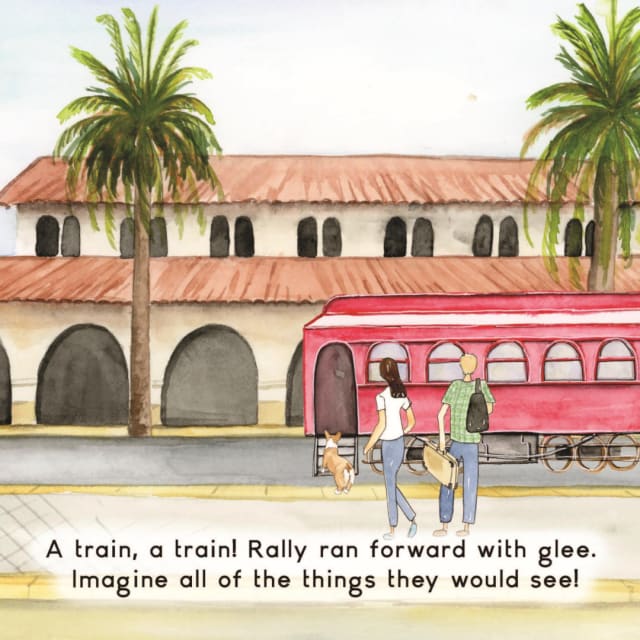
How the Railroad Changed a Town: Cause, Effect and a Timeline
A three-session 3rd grade history inquiry.
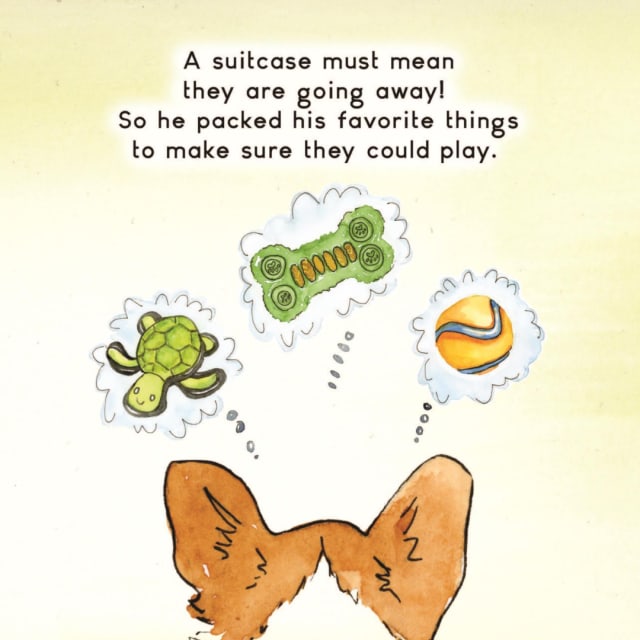
Freight Trains and the Economy: Why Places Trade
A two-session 4th grade C3 inquiry.
Should We Save the Old Train? Argument Writing with Museum Evidence
A three-day 5th grade writing workshop that closes the train unit.
Teaching with Rally Takes the Train
Every lesson is free for classroom and homeschool use. Add the paperback to your classroom library, or review a lesson to earn a free copy if you are a credentialed teacher. Keep the journey going in about 650 free train museum guides, plan a visit with the field trip planner, or browse all lessons for educators.