
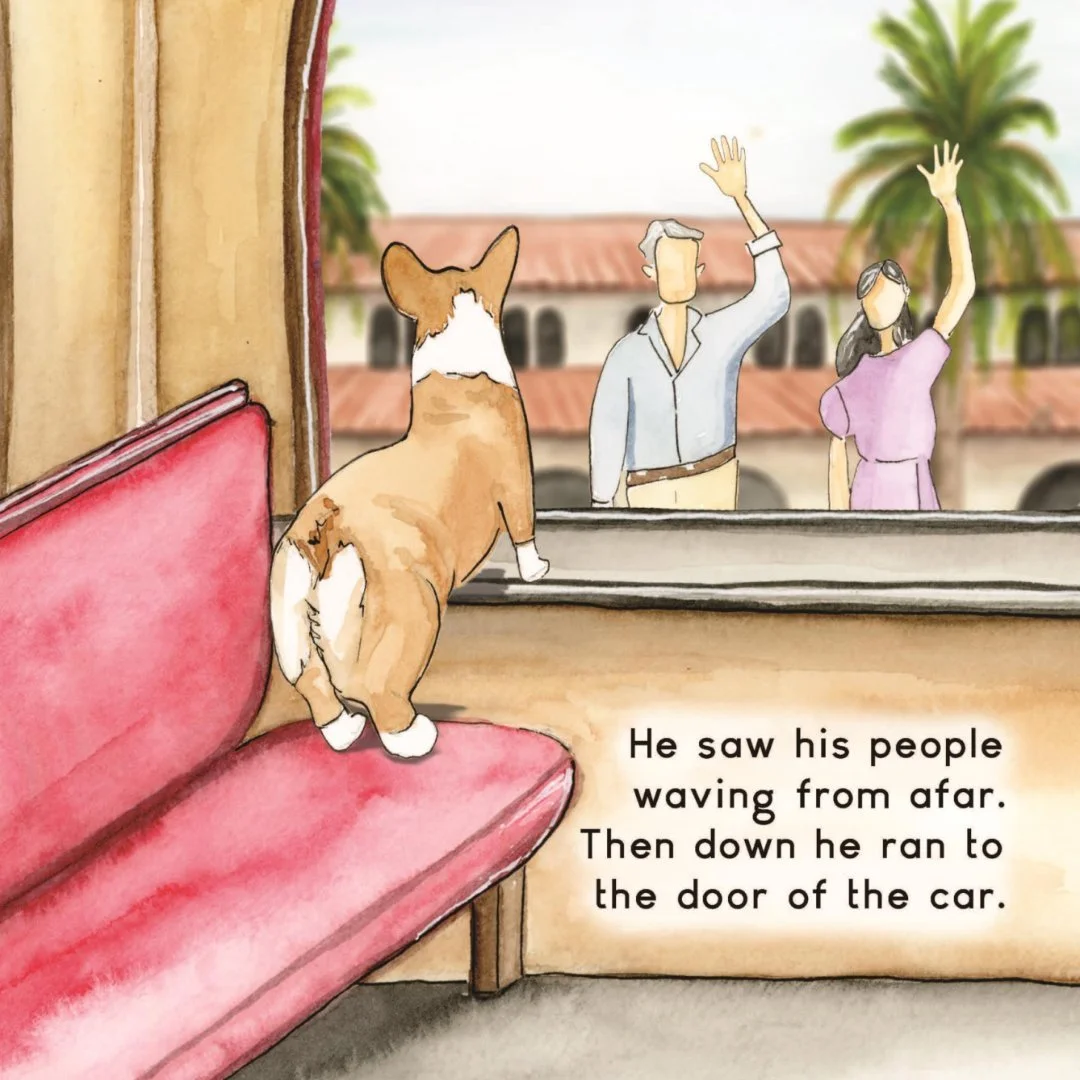
The Transcontinental Railroad: Different Perspectives and Sources
A two-session 5th grade C3 inquiry on the transcontinental railroad. Guided by the question whose story gets told, students read short passages from two real railroad museum guides, sort what each says about founders, workers, a surveyor, an artist and photographers, compare the two accounts, and write a claim with evidence about why perspectives differed.
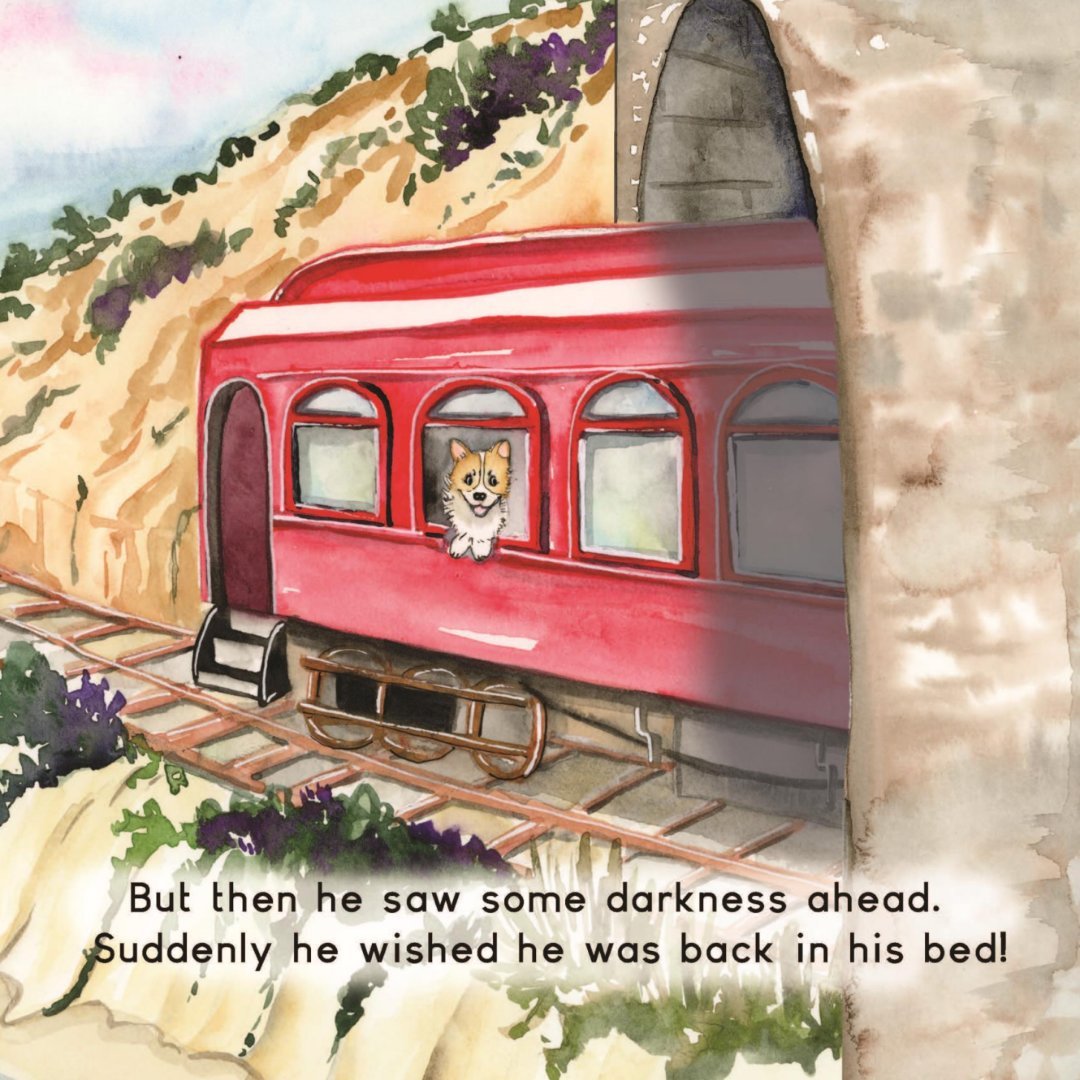
Gravity on the Grade: Which Way Does Gravity Pull a Train?
A two-session 5th grade science sequence for NGSS 5-PS2-1. Students first predict which way a ball falls for people standing all around a globe, then test toy cars on ramps and hang plumb lines. After the class explains what down means, they read how a real railroad climbs a mountain pass and write an argument with evidence.
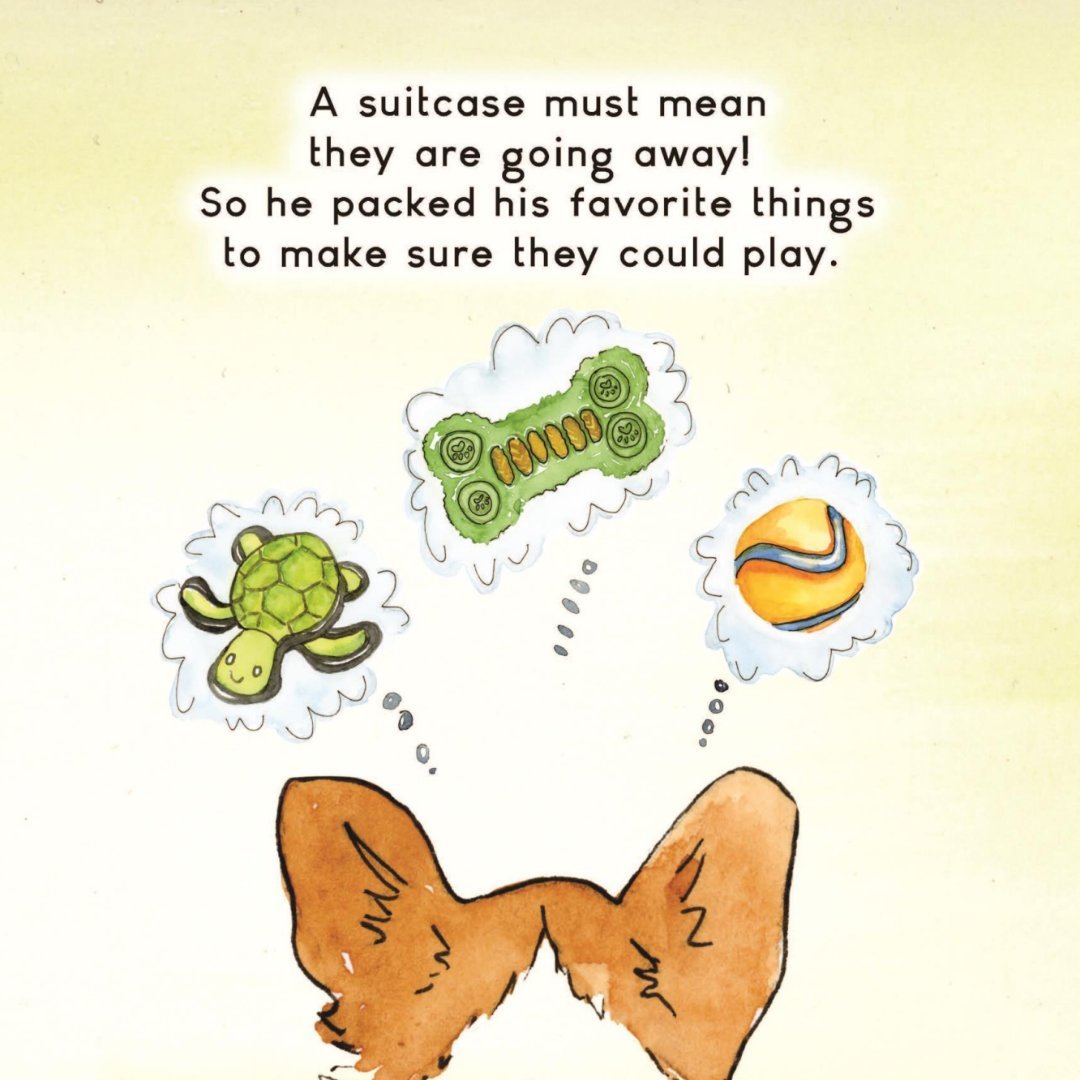
Pack the Boxcar: Volume with Unit Cubes and V = l × w × h
A 56-minute problem-based 5th grade volume lesson. Partners pack model boxcars with unit cubes and find their own shortcuts before the class names V = l × w × h and V = b × h from their strategies. Students then solve freight problems, including a caboose built from two boxes, and finish with a short cool-down.
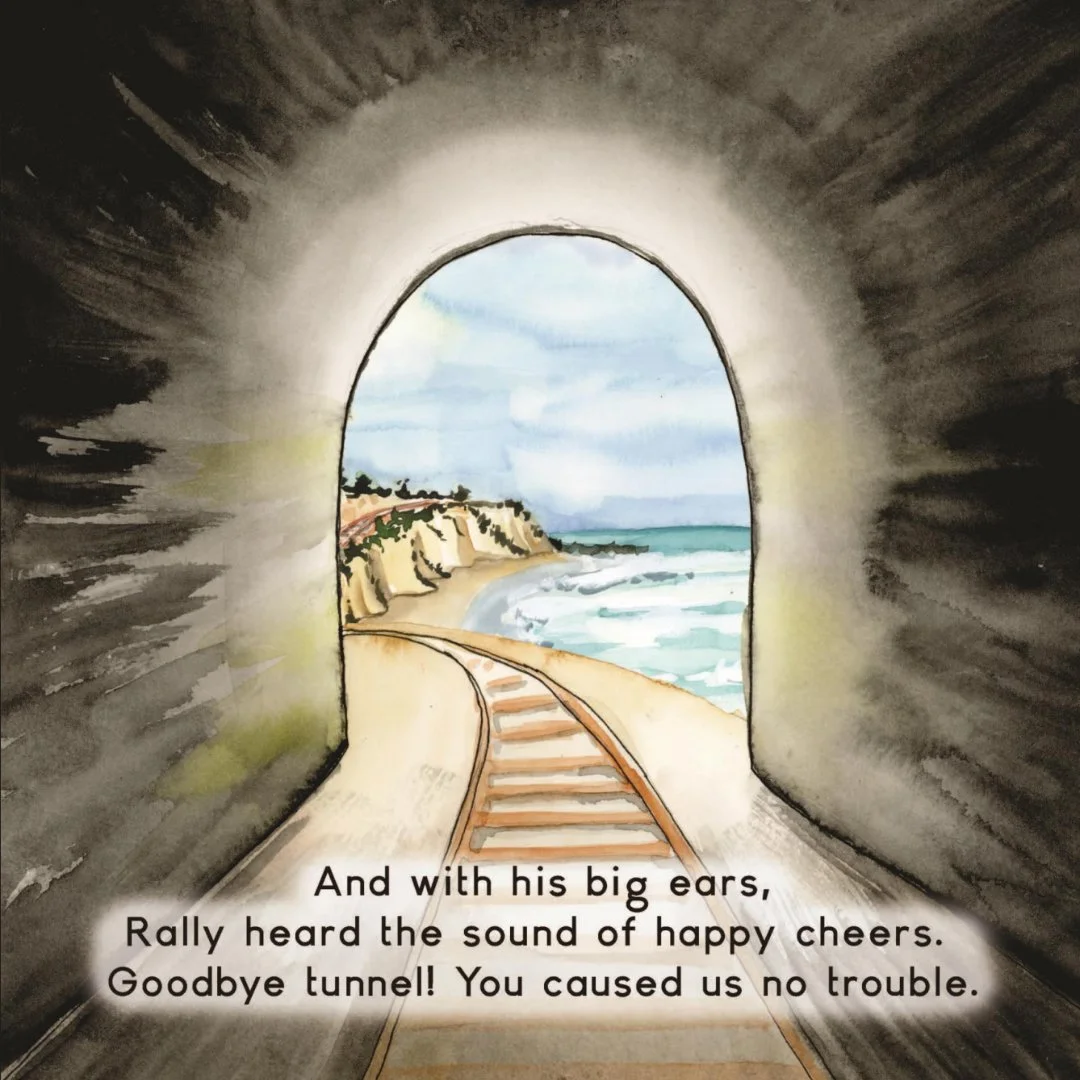
Plot the Route: Train Stations on the Coordinate Plane
A 57-minute problem-based 5th grade math lesson. Partners invent directions to find stations on a made-up rail map before the class names ordered pairs and axes, then plot a real Pennsylvania railroad line from a museum guide where each unit is one mile and explain what every coordinate means.
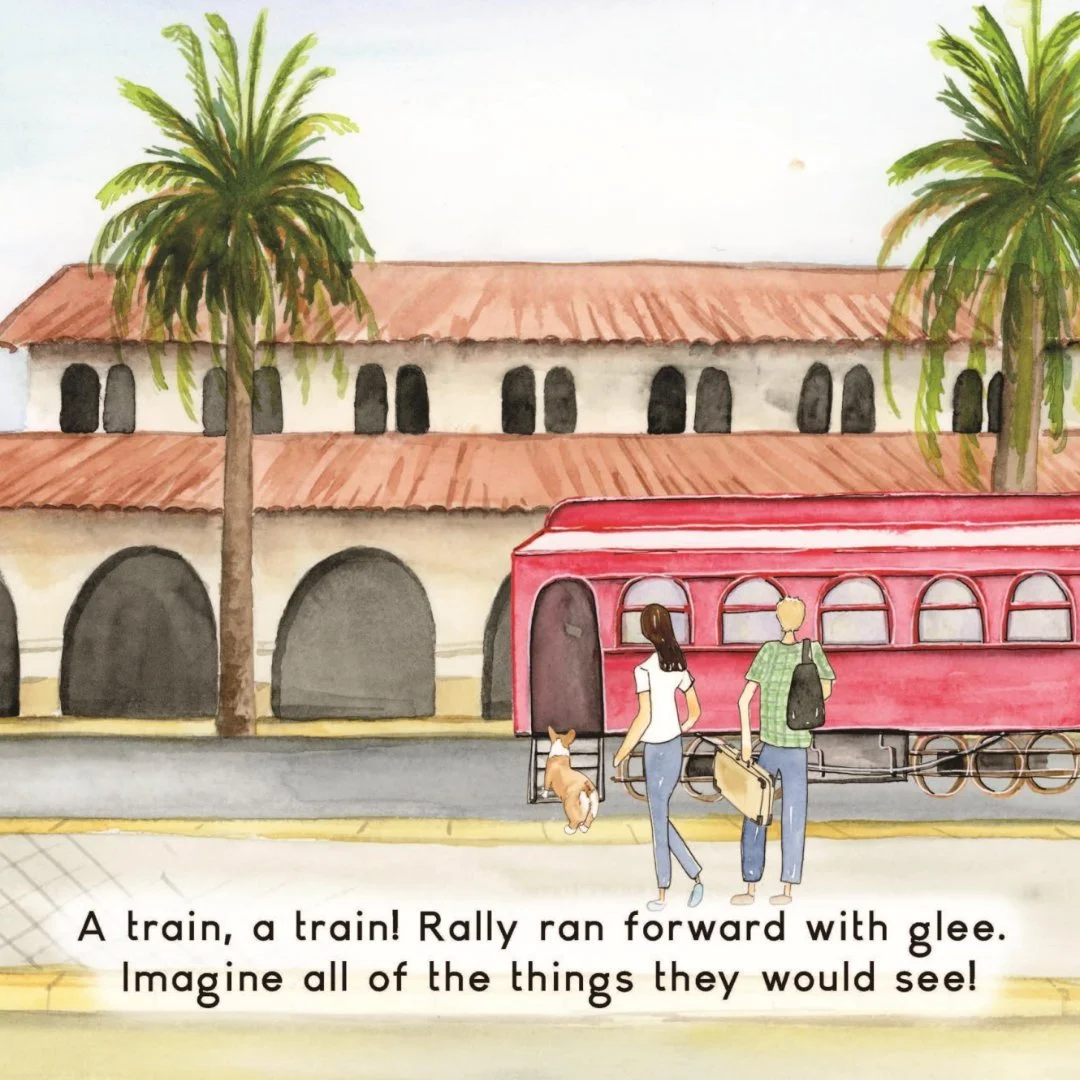
Should We Save the Old Train? Argument Writing with Museum Evidence
A three-day 5th grade writing workshop that closes the train unit. Partners race through three real train museum guides to find evidence, then each student takes a side on whether communities should spend years, money and volunteer time saving old trains, plans an opinion piece, drafts it and answers the other side.
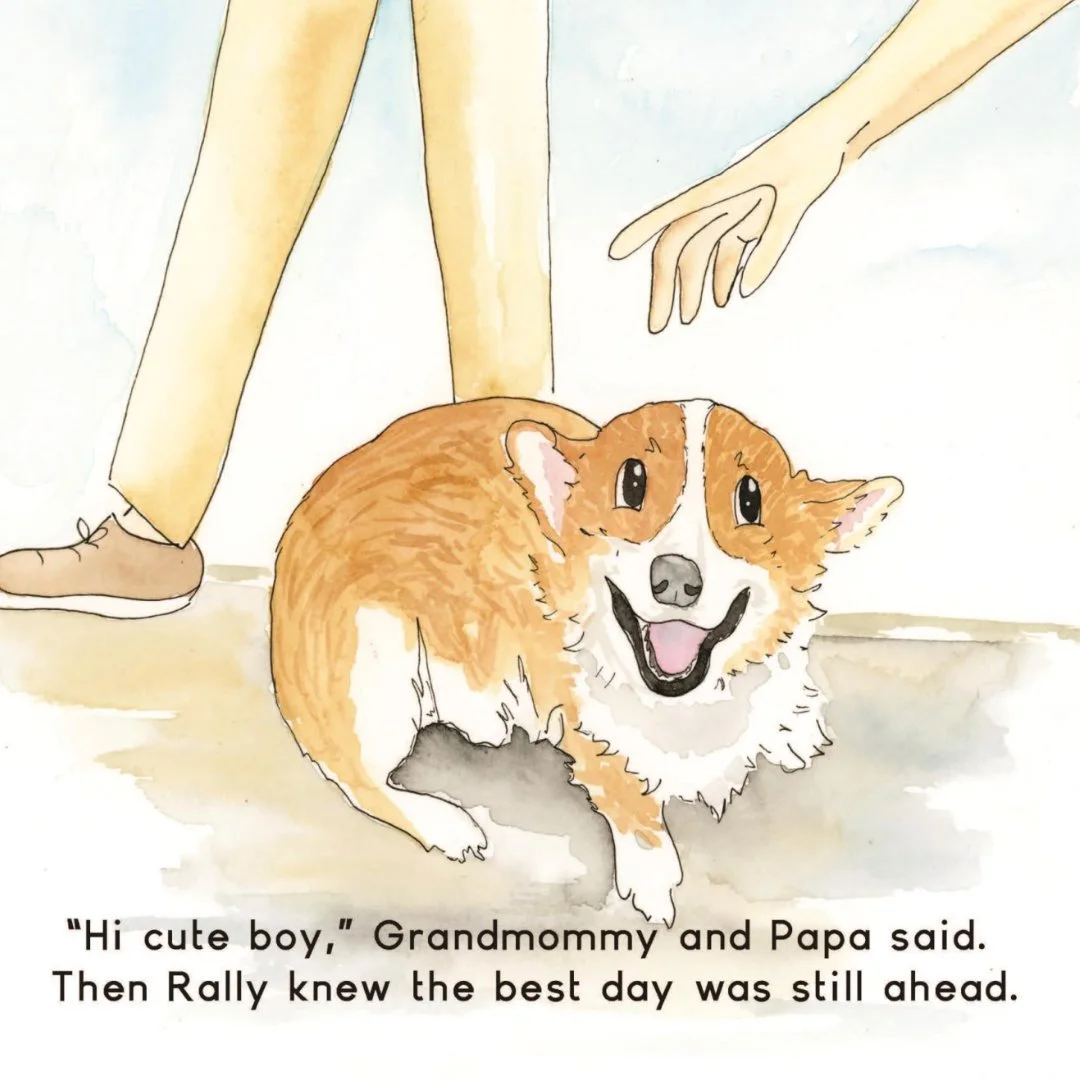
Write the Next Scene: Pacing, Dialogue and Description
A three-day 5th grade writing workshop. On Day 1 the class hears Rally Takes the Train once and maps how its five scenes build to a turning point. On Days 2 and 3, short minilessons go back to single pages as mentor text while students plan, draft and revise the next scene with dialogue, description and pacing chosen on purpose.