
Freight Trains and the Economy: Why Places Trade
A two-session 4th grade C3 inquiry. Students take on the compelling question of why a town would want a railroad and whether a train is always the best way to move goods. They sort freight as agents, read two real railroad museum guides for causes and effects, weigh train against truck, and write a claim with evidence.
Design a Safer Railroad Crossing: Criteria, Constraints and Fair Tests
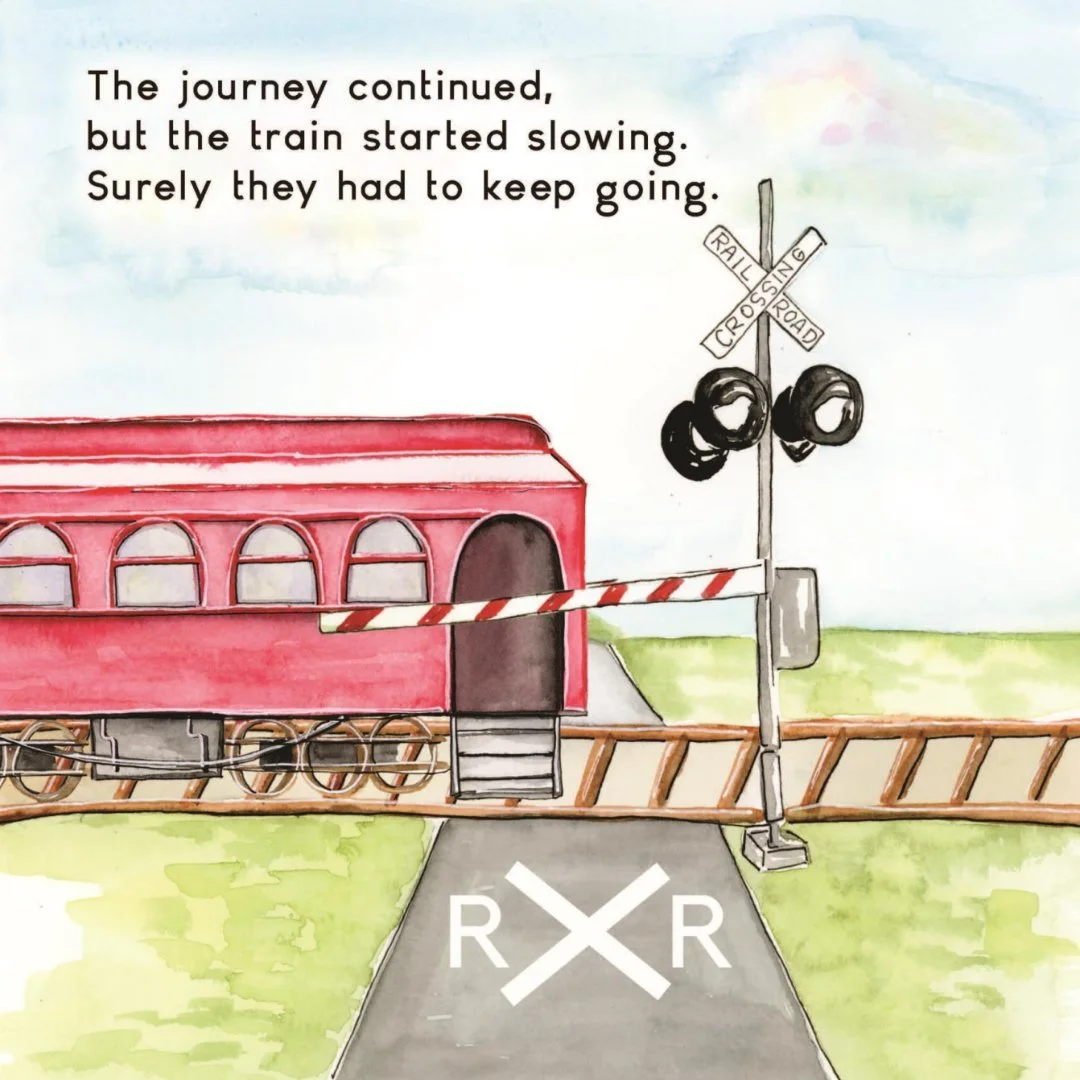
A three-session 4th grade engineering design challenge. Starting from the railroad crossing on page 14 of the picture book, groups define criteria and a 15 track dollar budget, sketch and score two designs, build a model crossing, run fair tests, find the failure point, improve, retest and present.
Energy in Motion: Speed, Energy and Collisions
A two-session 4th grade 5E science sequence. A toy car knocks a paper cup farther from a higher ramp, and students investigate why: they test three ramp heights, pool class data, and only then name energy, speed and transfer. They predict and test new collisions and write a claim with their own measurements.
Big Numbers at the Museum: Multi-Step Word Problems
A 60-minute problem-based 4th grade math lesson. After a number talk on 14 x 36, students work real numbers from a national park steam train museum guide into multi-step problems: ride money, a giant locomotive's weight and boxes with a remainder. They share strategies, write letter equations, check with estimates and finish with a cool-down.
Two Sources, One Topic: Research the Trolley Savers
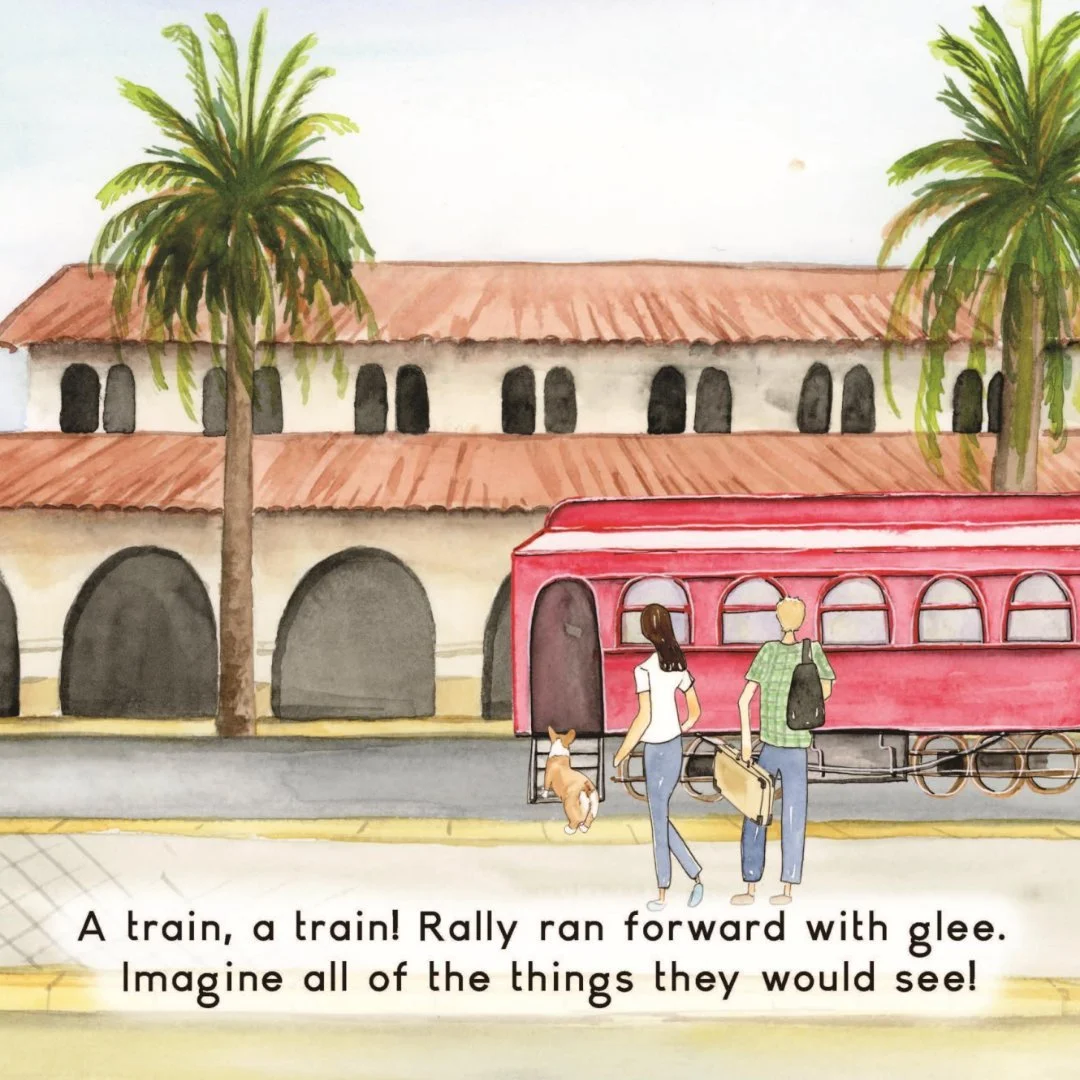
A two-day 4th grade research workshop. Students read short passages from two real trolley museum guides, take notes by category, solve a puzzle about which museum came first by rereading exact words, and write an informative paragraph that integrates both sources and lists them. Includes three printables.
Rhyme, Rhythm and Meter: Write Train Couplets
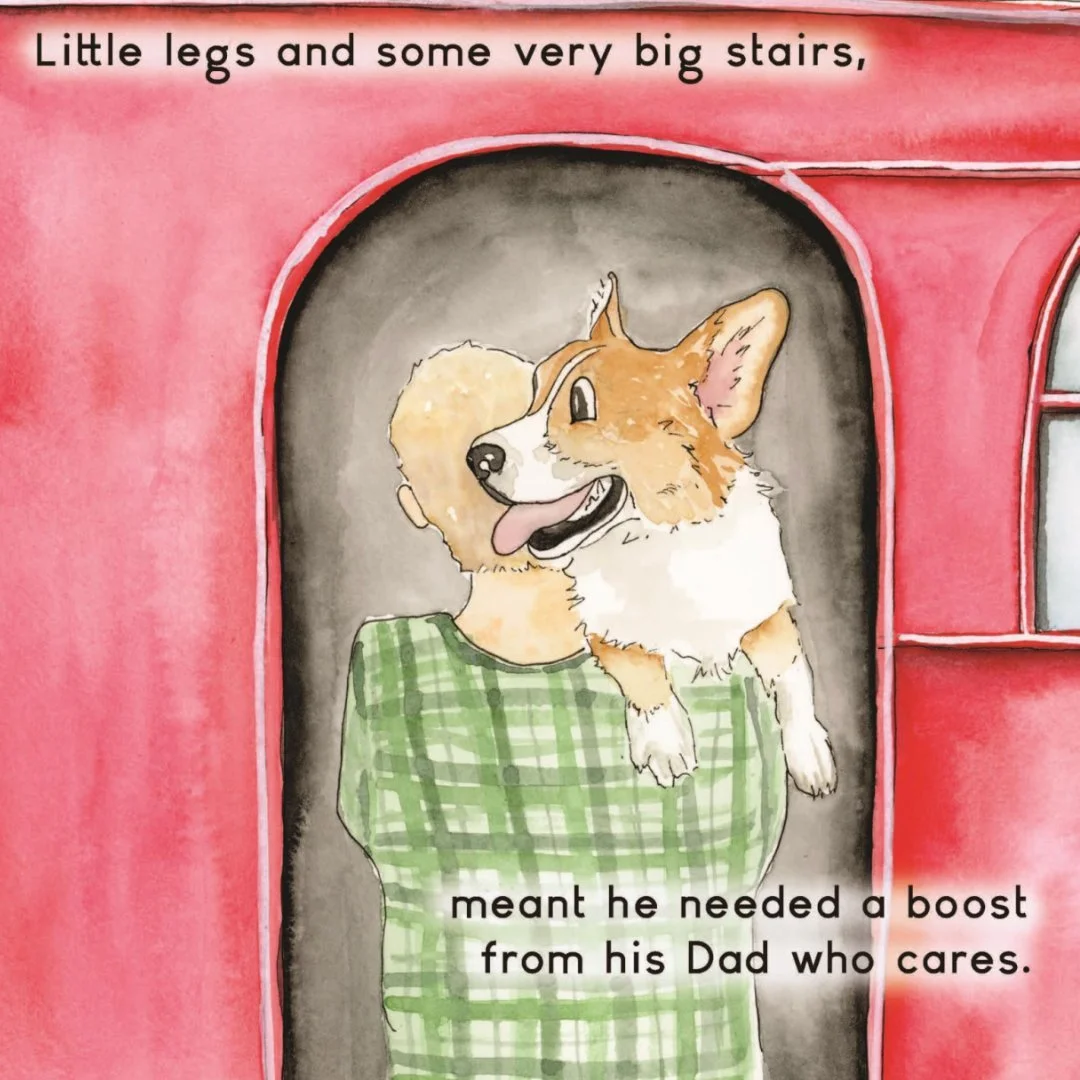
A three-day 4th grade poetry sequence. On Day 1 the class hears the whole rhyming picture book, then close reads four of its couplets to mark rhyme, beats and meter and contrasts verse with prose. On Days 2 and 3 students draft, revise and read aloud couplets about a trip moment of their own.