

How to Keep a Grandparent's Memory Alive for Young Children, Even the Ones Who Never Met Them
You can help young children remember a grandparent who died by keeping that grandparent in ordinary days: a photo at their eye level, short stories told the same way every time, and the grandparent's name said out loud without a hush. Toddlers rarely keep their own early memories, so the stories you tell become what they know, and that works even for kids who never met them.
15 Children's Books About Losing a Grandparent, Chosen for Gentle Conversations
The best children's books about losing grandparents use plain words, say clearly that the person died, and leave room for your own family's stories. We've gathered 15 real picture books, sorted by whether it was Grandma, Grandpa, or a grandparent who was sick or forgetting for a long time, each with a short note on the kind of kid it might suit.

Holiday Grief Triggers: Why Christmas Music, Smells and Traditions Can Hurt So Much
Holiday grief triggers are the songs, smells, ads, cards and little rituals that bring your loss rushing back without warning. They hit so hard because music and scent are wired straight into memory and emotion, and the holidays are packed with both. You can't dodge them all, but you can see a lot of them coming, plan around them and get back on your feet faster when one blindsides you.

How to Help Kids Cope With Their First Christmas After a Death in the Family
To help kids through their first Christmas after a death, keep the season simple: protect a few routines, talk about the person who died, plan one small way to include them, and expect feelings to swing from excitement to tears. You don't need a perfect holiday. Grieving kids mostly need honest, steady grown-ups and room for every feeling.
Your First Thanksgiving Without Mom: Getting Through the Day She Used to Run
Your first Thanksgiving without Mom usually hurts most in the jobs she did without anyone noticing: the guest list, the thawing schedule, the phone call to ask what you're bringing. You don't have to take all of it on this year. Decide who hosts, keep one or two of her things, and plan the hours after dinner as carefully as the meal.

Things to Do on Christmas When You're Grieving: 21 Gentle Ideas for a Hard Day
The best things to do on Christmas when you're grieving are small, planned and flexible: a slow breakfast, a walk, a movie, cooking one of your parent's dishes, or a quiet evening with a call to someone you trust. Pick two or three of the 21 ideas below, give the day a loose shape, and leave plenty of room to rest.

The Physical Pain of Grief: Why Losing a Parent Can Hurt Your Body
Yes, grief can hurt your body. After a parent dies, it's common to feel exhausted, sleep badly, lose your appetite, get headaches or stomach trouble, and feel a heavy tightness in your chest, because loss is a major stressor that floods the body with stress hormones. Most of these ease with time and care, but new or severe chest pain, trouble breathing or fainting always needs emergency care right away.

Welcome to the Dead Parents Club. Sorry You're Here.
The dead parents club is the informal name for everyone whose mom, dad or both have died. Nobody signs up, you can't cancel, and the first months are often numb, chaotic and occasionally absurd. Dark humor helps more than people expect, and the other members are easier to find than you'd think.

The Pain of Losing Your Dad: What Nobody Prepares You For
The pain of losing your father usually shows up in quiet, practical gaps instead of one big moment: the advice you can't get, the call that doesn't come, the steady presence that's suddenly missing. Nothing really prepares you for it. Close or complicated, whatever you're feeling about him is real, and it deserves room.

Creating Christmas Magic for Your Kids When Your Own Heart Is Breaking
Parenting through grief at Christmas gets easier when you lower the bar on purpose: pick the few things your kids will actually remember, plan for the hard moments before they arrive, and say yes to every offer of help. Your kids don't need a perfect holiday. They need you there, honest and present, even if present means on the couch under a blanket.

How to Bring Your Mom and Dad to the Thanksgiving Table, Even Now
You can bring your mom and dad to the Thanksgiving table in a few simple ways: cook their recipes, set a place for them, get people telling their stories, and, if you want to, become the one who makes their dishes now. You don't have to do all of it. Even one small gesture keeps them part of the day.

How to Talk to a Toddler About a Grandparent Who Passed Away
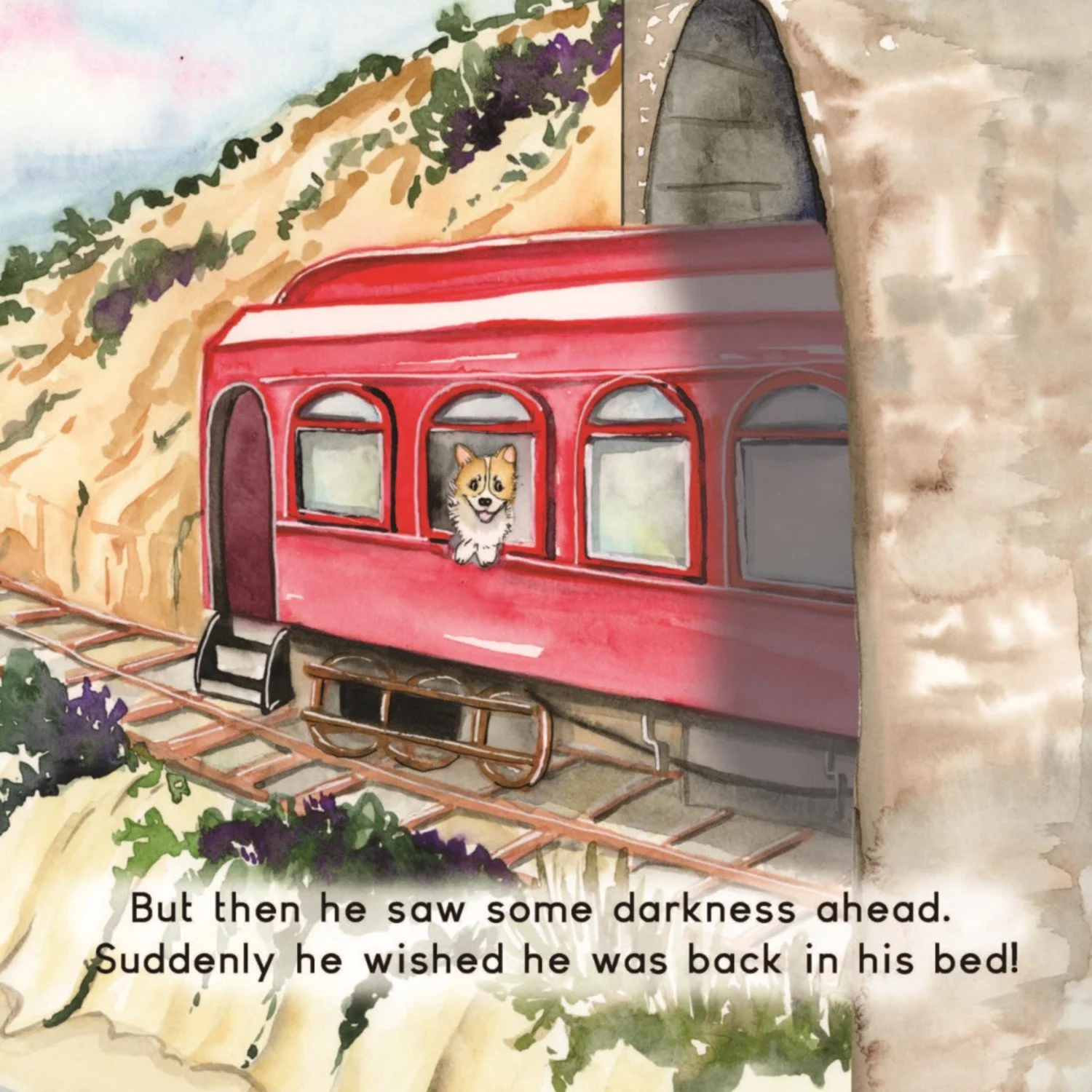
Short, honest words for the hardest conversation, from a mom who has had it many times, and why a book about a train ride helps

How to Talk to Kids About Losing a Grandparent, Even When It's Your Mom or Dad
To tell kids a grandparent has died, do it soon, somewhere quiet, using the real word "died" and one or two simple facts. Then pause, hold them, and let their questions lead. If the grandparent was your own mom or dad, it's okay to let them see that you're grieving too.

Finding the Light After Loss: Building a New Kind of Christmas
Yes, the holidays can feel joyful again after loss, though usually not all at once, not on a schedule, and not the way they used to. Joy tends to come back in small pieces, right alongside the grief instead of replacing it, and noticing those little pieces on purpose is often where finding joy during the holidays after loss begins.
Why Losing a Parent Changes You Forever, and Who You Can Become
Losing a parent changes you because it rearranges the ground you stand on: your place in the family, your sense of time, and what you're willing to spend your energy on. Feeling like a different person afterward is common, and it isn't a sign that something's broken. Some of the change hurts, some of it may turn out to be good, and none of it has to be sorted out on a deadline.
Navigating Adulthood Without Parents: Doctors, Decisions and Nobody to Call
Life without parents means quietly building the backup they used to be: a new emergency contact, a few people you can call for advice, and paperwork like a health care proxy. It's normal for simple decisions to feel overwhelming while you grieve. Start small, spread a parent's roles across several trusted people, and lean on professionals for medical, legal and money questions.
There's No One Waiting for Me at Home Anymore
Feeling alone after losing your parents, even with people all around you, usually comes from losing the two people who kept track of your life without being asked. Nobody's waiting to hear how your day went in quite the same way, and that quiet is a real loss. It gets easier when you rebuild a few small ways of being expected, by specific people, on purpose.
When You're Suddenly the Oldest Generation in Your Family
Becoming the oldest generation after your parents die means the hosting, the family stories and the hard decisions start rolling your way, often while you're still raising little kids. You don't have to take on every role at once. Choose what to keep, share or let go, write the stories down, and get your own plans in order so the next generation has an easier time.
When Grief Hits You Out of Nowhere Years After Losing a Parent
Grief can come back years after losing a parent because the love didn't go anywhere, and the reminders keep coming: a song, a smell, a wedding they should have been at. A sudden wave years later is common and usually passes within the hour. It isn't a setback, and it doesn't mean you grieved wrong the first time.
How to Explain Funerals to Young Children: What to Say Before, During and After
When you're explaining funerals to children, keep it short and concrete: the person died, their body stopped working, and the funeral is when people who loved them get together to say goodbye. Tell your child ahead of time what they'll see and hear, let them have a say in whether they go, and bring a grown-up whose only job that day is them.