Merry Christmas in Esperanto
Feliĉan Kristnaskon
Say it like this: feh-LEE-chahn krist-NAHS-kohn
Big letters show the part to say louder.
Quick answer
- In Esperanto, Merry Christmas is Feliĉan Kristnaskon, said like feh-LEE-chahn krist-NAHS-kohn.
- Happy New Year is Feliĉan novjaron.
- People say it in Worldwide community of speakers, No country (an international language).
What Feliĉan Kristnaskon means
Word for word it is 'feliĉan' (happy) plus 'Kristnaskon' (Christmas). Kristnasko joins 'Kristo' (Christ) and 'nasko' (birth). The -n ending shows the thing being wished, and it is the same in both words.
Other ways to say it in Esperanto
Ĝojan Kristnaskon
Say it like this: JOH-yahn krist-NAHS-kohn
Means 'joyful Christmas'. Another common way to wish Christmas joy.
Happy New Year
Feliĉan novjaron
Say it like this: feh-LEE-chahn nohv-YAH-rohn
happy new year, word for word 'happy new-year'
To write in a Christmas card
Feliĉan Kristnaskon kaj feliĉan novjaron
Say it like this: feh-LEE-chahn krist-NAHS-kohn kye feh-LEE-chahn nohv-YAH-rohn
Where people speak Esperanto
Worldwide community of speakersNo country (an international language)
Esperanto belongs to the Constructed international language (invented in 1887), with words mostly from Romance and Germanic languages language family.
Say it with Rally on Christmas Eve
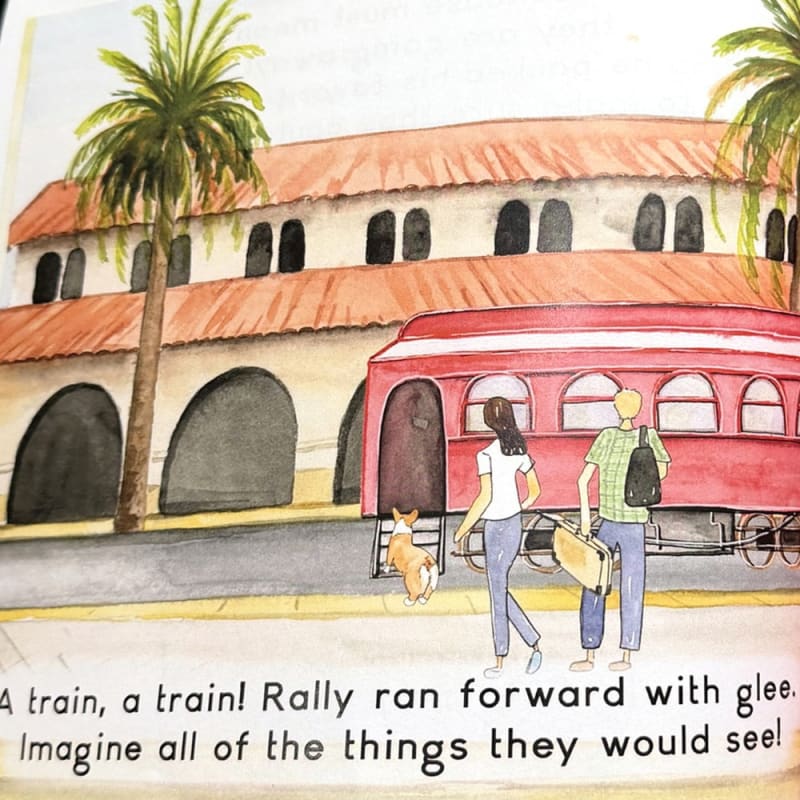
On Christmas Eve, Rally the corgi rides the Christmas Train to more than 100 places and teaches kids how to say Merry Christmas at every stop. Practice Esperanto today, then follow his trip.
Follow Rally on Christmas Eve →Christmas traditions where people speak Esperanto
- Zamenhof Day, December 15: Just before Christmas, on December 15, speakers celebrate the birthday of L. L. Zamenhof, the creator of Esperanto. The day is sometimes called Book Day, and many speakers try to publish a new Esperanto book by that date.[2]
- Christmas in many countries: Esperanto has no home country, so speakers celebrate Christmas the way their own nations do. The language is used for greetings, cards and letters between friends who live very far apart and share this language.[1]
- La Espero, the Esperanto anthem: La Espero, which means The Hope, is the unofficial anthem of Esperanto, a poem by Zamenhof. It is often sung at Esperanto gatherings, where speakers from many countries sing together.[2]
🎄 Quick game: Merry Christmas in Esperanto
Three quick questions for kids. Tap an answer to play.
Say Merry Christmas in more languages
- NorwegianGod jul
- WelshNadolig Llawen
- DanishGlædelig jul
- BasqueEguberri on
- SerbianСрећан Божић
- AlbanianGëzuar Krishtlindjen
- BulgarianВесела Коледа
- BosnianSretan Božić
Questions parents ask
How do you say Merry Christmas in Esperanto?
The most common way to say Merry Christmas in Esperanto is Feliĉan Kristnaskon. It is pronounced "feh-LEE-chahn krist-NAHS-kohn". Esperanto speakers often use the other form Ĝojan Kristnaskon, meaning joyful Christmas. Both are common on cards, and both are correct, so children can use either one.[5]
How do you pronounce Merry Christmas in Esperanto?
Say it like this: feh-LEE-chahn krist-NAHS-kohn. The capital letters show the stressed syllable, so say that part a little louder and longer. Esperanto always puts the stress on the second-to-last syllable, so say feh-LEE-chahn and krist-NAHS-kohn. The letter ĉ sounds like ch in church, and ĝ sounds like j in jam.
What does Merry Christmas mean word for word in Esperanto?
Word for word it is 'feliĉan' (happy) plus 'Kristnaskon' (Christmas). Kristnasko joins 'Kristo' (Christ) and 'nasko' (birth). The -n ending shows the thing being wished, and it is the same in both words. Because every ending in Esperanto follows a regular rule, children can learn that adjectives end in -a and add -n when they describe a wished-for thing.[5]
How do you write Merry Christmas in Esperanto?
Write it as Feliĉan Kristnaskon. Esperanto has six letters with a little hat: ĉ, ĝ, ĥ, ĵ, ŝ and ŭ. If a keyboard has no hat letters, some people write cx instead of ĉ, but the hat letters are the correct form. Capitalise Kristnaskon as the holiday name.
How do you say Happy New Year in Esperanto?
Happy New Year in Esperanto is Feliĉan novjaron, pronounced "feh-LEE-chahn nohv-YAH-rohn". It means happy new year, word for word 'happy new-year'. Esperanto speakers say Feliĉan novjaron for the new year. The word novjaron combines nova (new) and jaro (year), and the -n ending matches the Christmas greeting. Cards often combine both wishes with the word kaj, meaning and.[4]
Is there a formal and a casual way to say Merry Christmas in Esperanto?
Feliĉan Kristnaskon works for everyone. In Esperanto there is no separate formal or casual form for this wish, because the language was designed to be simple and regular. Children can say it to friends, teachers and relatives alike.[1]
When do people say Merry Christmas in Esperanto?
Esperanto speakers use it on cards and letters in December, in online groups, and at gatherings of speakers around the holidays. They often combine it with Feliĉan novjaron for the new year. It is also sent in messages to friends from other countries.[1]
Which day is the main Christmas celebration for Esperanto speakers: Christmas Eve or Christmas Day?
Esperanto has no country or single calendar, so speakers celebrate on the day of their own tradition. Many follow December 24 and 25, while Orthodox speakers celebrate in January. Esperanto has its own special day, Zamenhof Day, on December 15.[2]
What is Zamenhof Day?
On December 15, the birthday of L. L. Zamenhof, the creator of Esperanto, speakers around the world celebrate Zamenhof Day. It is sometimes called Book Day, and many try to publish a new Esperanto book by that date. It falls just before Christmas, so many clubs hold a party and share greetings then.[2]
How can I teach Merry Christmas in Esperanto to kids?
Teach Esperanto Christmas words with the rule that makes it easy: adjectives end in -a and nouns in -o. Let children change Kristnasko into Kristnaskon and feliĉa into feliĉan. Learning the pattern helps them with every other word in the language.

A bedtime story after seeing SantaRally Takes the Train is a five-minute rhyming picture book about a corgi’s first train ride, hand-painted in real watercolor by Leslie Dunn. $16.99 on Amazon, ages 0 to 8.
Buy on AmazonSources
We check every greeting against dictionaries, language institutes and cultural sources.
- Esperanto, Wikipedia
- Esperanto culture, Wikipedia
- Merry Christmas (translations), Wiktionary
- Happy New Year (translations), Wiktionary
- Kristnasko, Wiktionary