Merry Christmas in Serbian
Срећан Божић
Srećan Božić
Say it like this: SREH-chahn BOH-zheech
Big letters show the part to say louder.
Quick answer
- In Serbian, Merry Christmas is Срећан Божић (Srećan Božić), said like SREH-chahn BOH-zheech.
- Happy New Year is Срећна Нова година (Srećna Nova godina).
- People say it in Serbia, Bosnia and Herzegovina (Republika Srpska), Montenegro, Kosovo and more.
What Srećan Božić means
Word for word it is 'срећан' (srećan, happy) plus 'Божић' (Božić, Christmas). Most Serbs celebrate on January 7, so you will also hear the older Orthodox greeting that means Christ is born.
Serbian is written in both Cyrillic and Latin letters. Cyrillic is the official script, and Latin is also used every day.
Other ways to say it in Serbian
Христос се роди
Hristos se rodi
Say it like this: HREES-tos seh ROH-dee
Means 'Christ is born'. The traditional Orthodox Christmas greeting.
Ваистину се роди
Vaistinu se rodi
Say it like this: vah-ee-STEE-noo seh ROH-dee
Means 'truly, He is born'. The traditional answer to Hristos se rodi.
Happy New Year
Срећна Нова година
Srećna Nova godina
Say it like this: SREHCH-nah NOH-vah GOH-dee-nah
happy new year, word for word 'happy new year'
To write in a Christmas card
Срећан Божић и срећна Нова година
Srećan Božić i srećna Nova godina
Say it like this: SREH-chahn BOH-zheech ee SREHCH-nah NOH-vah GOH-dee-nah
Where people speak Serbian
SerbiaBosnia and Herzegovina (Republika Srpska)MontenegroKosovoCroatia
Serbian (српски (srpski)) belongs to the Indo-European, South Slavic language family.
Say it with Rally on Christmas Eve
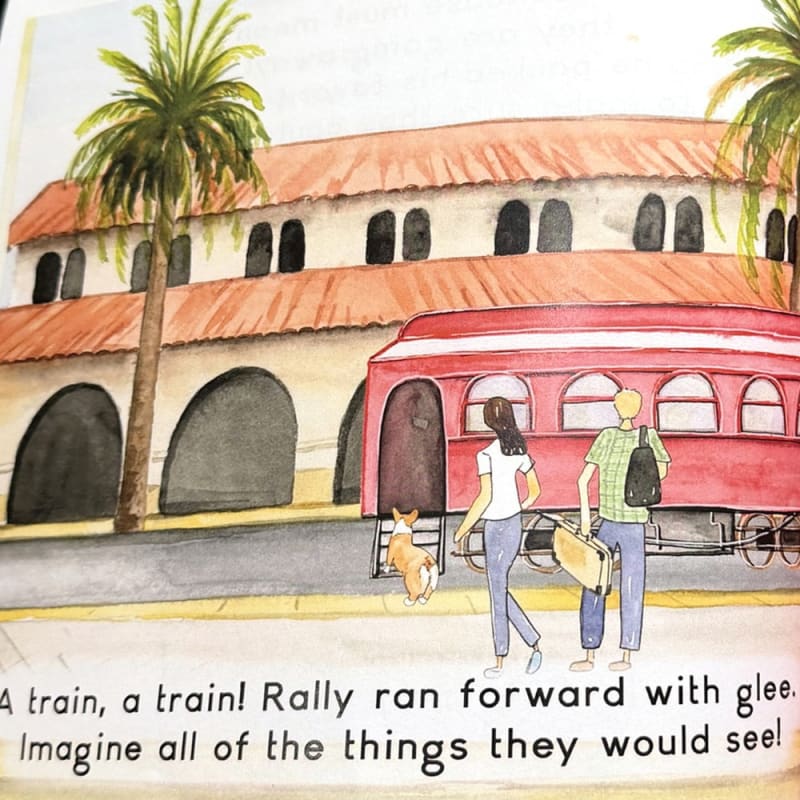
On Christmas Eve, Rally the corgi rides the Christmas Train to more than 100 places and teaches kids how to say Merry Christmas at every stop. Practice Serbian today, then follow his trip.
Follow Rally on Christmas Eve →Christmas traditions where people speak Serbian
- The Badnjak oak branch: On Christmas Eve, January 6, Serbian families traditionally bring in a young oak branch called the Badnjak and burn it like a Yule log. Bonfires of oak branches are also lit outside churches.[1]
- Česnica, the coin bread: At Christmas a round bread called česnica is shared. Each family member gets a piece, and small tokens are baked inside. Whoever finds the coin is said to be especially lucky in the coming year.[1]
- Straw under the table: Some families spread straw under the dinner table to remember that Jesus was born where animals lived. Children may make a clucking sound like chickens, and walnuts are scattered on the straw for them to find.[1]
🎄 Quick game: Merry Christmas in Serbian
Three quick questions for kids. Tap an answer to play.
Say Merry Christmas in more languages
- BosnianSretan Božić
- BulgarianВесела Коледа
- CroatianSretan Božić
- MacedonianСреќен Божиќ
- SlovenianVesel božič
- DanishGlædelig jul
- BasqueEguberri on
- Scottish GaelicNollaig Chridheil
Questions parents ask
How do you say Merry Christmas in Serbian?
The most common way to say Merry Christmas in Serbian is Срећан Божић (Srećan Božić). It is pronounced "SREH-chahn BOH-zheech". Many Serbs, who are Orthodox, also say 'Христос се роди' (Hristos se rodi), meaning Christ is born, and answer 'Ваистину се роди' (Vaistinu se rodi), meaning truly, He is born.[1][3]
How do you pronounce Merry Christmas in Serbian?
Say it like this: SREH-chahn BOH-zheech. The capital letters show the stressed syllable, so say that part a little louder and longer. The letter ć (ћ in Cyrillic) is a soft ch sound, and ž (ж) sounds like the s in measure. In Serbian the stress usually falls early in the word, so say SREH-chahn and BOH-zheech.
What does Merry Christmas mean word for word in Serbian?
Word for word it is 'срећан' (srećan, happy) plus 'Божић' (Božić, Christmas). Most Serbs celebrate on January 7, so you will also hear the older Orthodox greeting that means Christ is born. The Cyrillic and Latin spellings are two ways of writing the same sounds, so Srećan Božić and Срећан Божић are the same greeting.[1]
How do you write Merry Christmas in Serbian?
In Cyrillic write Срећан Божић. In the Latin alphabet it is Srećan Božić. Serbia officially uses Cyrillic, but people read both. The letter ć/ћ gives the soft ch sound that makes the Serbian form different from the Croatian Sretan Božić.
How do you say Happy New Year in Serbian?
Happy New Year in Serbian is Срећна Нова година (Srećna Nova godina), pronounced "SREHCH-nah NOH-vah GOH-dee-nah". It means happy new year, word for word 'happy new year'. Serbs also celebrate the new year on January 1, and many families have a second, older New Year on January 14 under the Julian calendar. Cards often carry both wishes together.[4][1]
Is there a formal and a casual way to say Merry Christmas in Serbian?
Срећан Божић is polite and fine for everyone. In church and among older Orthodox Serbs the greeting Христос се роди, answered by Ваистину се роди, is the more traditional and respectful form, used on Christmas Day itself.[1]
When do people say Merry Christmas in Serbian?
Most Serbs celebrate on January 7, so Срећан Божић is said on and around January 6 and 7. Because Orthodox Advent includes a fast, the greetings begin mostly as Christmas Eve gets close. Catholics in Serbia celebrate on December 25 and say it then.[1]
Which day is the main Christmas celebration for Serbian speakers: Christmas Eve or Christmas Day?
Both days matter. Christmas Eve is January 6, when the Badnjak is burned and many people fast. Christmas Day is January 7, with church bells at dawn, a holiday meal and visits. The Serbian Orthodox Church follows the Julian calendar, which is why the dates differ from December 25.[1][2]
What is the Badnjak in Serbia?
On Christmas Eve, January 6, Serbian families traditionally bring in a young oak branch called the Badnjak and burn it like a Yule log. Bonfires of oak branches are also lit outside churches. The oak branch is meant to bring a year of food, happiness and good luck to the home, and many families now buy it ready-made.[1]
How can I teach Merry Christmas in Serbian to kids?
Teach the Serbian greeting as a call and answer, since children enjoy it as a game. One child says Hristos se rodi and the other answers Vaistinu se rodi. Then show both Cyrillic and Latin spellings side by side.

A bedtime story after seeing SantaRally Takes the Train is a five-minute rhyming picture book about a corgi’s first train ride, hand-painted in real watercolor by Leslie Dunn. $16.99 on Amazon, ages 0 to 8.
Buy on AmazonSources
We check every greeting against dictionaries, language institutes and cultural sources.
- Christmas in Serbia, WhyChristmas.com
- Christmas in Serbia, Wikipedia
- Merry Christmas (translations), Wiktionary
- Happy New Year (translations), Wiktionary