Christmas Without Parents: How to Find Joy Without Feeling Guilty About It
Yes, you can enjoy Christmas without your parents, and a good moment doesn't mean you've stopped missing them. The guilt that follows a laugh is usually the missing itself, turning up at an odd time. Grief and joy can share the same day, sometimes the same minute, and letting both in isn't disloyal.

The First Christmas Without Mom or Dad: How to Get Through It, One Hour at a Time
You get through the first Christmas without your mom or dad by deciding ahead of time what this year will look like, then planning for the few hardest hours instead of the whole day. It doesn't have to feel like Christmas, and it doesn't even have to be good. It only has to be survivable, and it will be.

How to Bring Your Mom and Dad to the Thanksgiving Table, Even Now
You can bring your mom and dad to the Thanksgiving table in a few simple ways: cook their recipes, set a place for them, get people telling their stories, and, if you want to, become the one who makes their dishes now. You don't have to do all of it. Even one small gesture keeps them part of the day.

20 Meaningful Ways to Remember Loved Ones During the Holidays With Your Children
The best ways to remember a loved one with your kids at the holidays are small and hands-on: coloring a picture for Grandma's spot at the table, baking her cookies, lighting a candle or sharing one story at dinner. Match the idea to your child's age, keep it short for little ones, and pick something you can do again next year.

Should You Keep Old Family Traditions or Start New Ones After Losing Your Parents?
You don't have to choose between keeping every tradition and starting over. Most families land somewhere in the middle after a parent dies: a few traditions stay exactly as they were, some get adapted or paused, and something new eventually shows up. Try your choices for one season, then talk it over and decide again next year.

How to Set Boundaries With Family During the Holidays When You're Grieving
Holiday grief boundaries are simple limits you decide ahead of time: which events you go to, how long you stay, what you host, and which topics are off the table. You're allowed to set them, say them kindly and change them as the season goes. A short script and an exit plan do most of the work.

The Strange Grief of Having Nowhere to Go for Thanksgiving
When your parents are gone and there's no family table left to go to, Thanksgiving without family can feel like a holiday happening to everyone but you. You still have real options: host a few people, join friends, volunteer, eat out, or plan a quiet day on purpose. That strange, unmoored feeling is grief for the holiday itself, and choosing your plan ahead of time is what keeps the day from feeling empty by default.

Home for the Holidays Hits Different When Your Parents Are Dead
Home for the holidays without parents hurts because the whole season assumes you still have a home with parents in it, so every ad, song and travel story names exactly what you lost. Home can become something new, built from the people, places and rituals you choose. It just takes a few Decembers to feel like home.

Becoming the Home for the Holidays When Your Parents Are Gone
Facing the holidays without parents as an adult often means the role they held lands on you. You become the place people gather and the keeper of the traditions, sometimes by choice and sometimes by default. You can carry that role well without carrying all of it, and you're allowed to grieve while you do.

No Home to Go Home to for the Holidays? How to Build Your Own
If you have no home to go home to for Christmas because your parents have died, the honest answer is that you build one, slowly, starting with a single gathering, meal or ritual this year. It won't replace the home you lost. But over time it can become a place where you, and the people you love, belong.

How to Survive Thanksgiving After Losing Your Parents (When Gratitude Feels Impossible)
To get through Thanksgiving without your parents, decide the shape of the day ahead of time, keep it smaller than usual, have a short answer ready for the gratitude question, and plan your way out. You don't owe anyone a traditional Thanksgiving the year your mom or dad is missing from the table.

Holiday Grief Triggers: Why Christmas Music, Smells and Traditions Can Hurt So Much
Holiday grief triggers are the songs, smells, ads, cards and little rituals that bring your loss rushing back without warning. They hit so hard because music and scent are wired straight into memory and emotion, and the holidays are packed with both. You can't dodge them all, but you can see a lot of them coming, plan around them and get back on your feet faster when one blindsides you.

How to Deal With Grief During the Holidays When Everyone Else Seems Happy
Dealing with grief during the holidays while everyone else celebrates gets easier with a plan. Decide which events you'll go to and for how long, keep a few short, true answers ready for the questions you dread, and give yourself permission to leave, mute and rest. You don't have to match anyone's cheer.

Why the Holidays Are So Hard After Losing a Parent, Even Years Later
Grief during the holidays can hit hard years after losing a parent because the season repeats the same rituals, people, smells and songs every year, and your mom or dad was woven into all of them. It's common, and it doesn't mean you're stuck or doing grief wrong.

Surviving the Holidays After Losing Both Parents: When There's No One Left to Go Home To
When both of your parents have died, the holidays lose their home base. There's no house to drive back to, and nobody whose job it is to gather everyone. What gets you through is deciding early who hosts now, being honest with the family you have left, and slowly building a season that fits the life you're actually living.

Why Losing a Parent Hurts So Much, Even When You're a Grown Adult
Losing a parent hurts so much because you lose more than one thing at once: the first bond you ever formed, the role of being someone's child, and the one person who witnessed your whole story. If it's knocking you flat, you aren't grieving wrong. It's a sign of how deeply a parent is woven into who you are, at 25 or at 55.

How to Talk to a Toddler About a Grandparent Who Passed Away
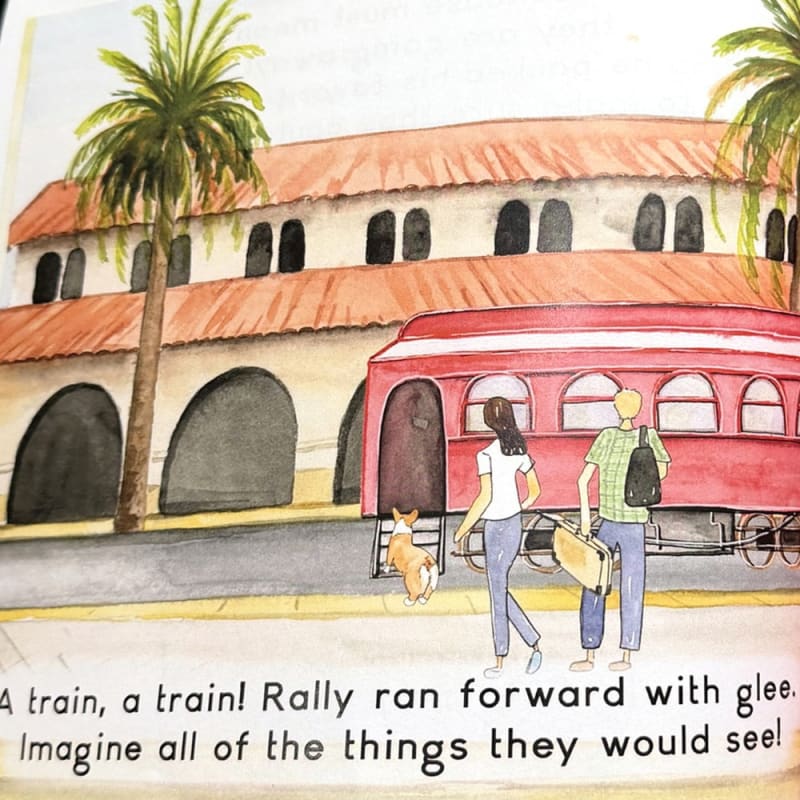
Short, honest words for the hardest conversation, from a mom who has had it many times, and why a book about a train ride helps